
Table of Contents
Why Cuenca is a Great Choice for a Dental Retreat
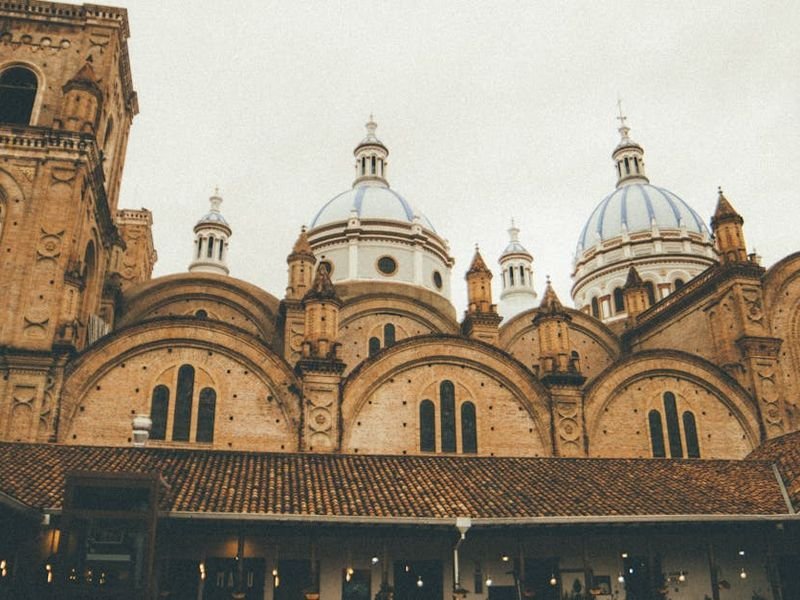
Cuenca, Ecuador—an elegant, UNESCO-listed colonial city nestled in the southern Andes—has become a popular destination for dental tourism. Its walkable historic center, pleasant year-round climate, and high-quality dental clinics make it easy to pair necessary treatments with moments of rest, good food, and gentle exploration. Best of all, Ecuador uses the US dollar, which simplifies budgeting and payments.
Start With a Smart Plan: Timeline and Expectations
Before you book flights, create a realistic timeline. Simple procedures like cleanings, fillings, and single crowns can often be completed in a week. More complex cases—implants, full-mouth restorations, or treatments that require healing time—will need staged visits or a longer initial stay.
Sample timelines:
- Short trip (4–7 days): consultation, cleaning, one or two crowns, restorative fillings, or veneers with same-week temporaries.
- Moderate trip (7–14 days): extractions and immediate temporaries, root canals, multiple crowns, or preliminary implant placement when bone grafting is not needed.
- Long-term project: complex implant cases, bone grafts, or full reconstructions—expect staged visits over several months with local follow-up or return trips.
How to Choose a Clinic in Cuenca
Not all clinics are the same. Use a checklist to assess quality and fit:
- Credentials and licensing: Ask for the dentist’s license and postgraduate training. Reputable clinics are transparent about credentials.
- Before-and-after photos: Request recent examples of cases similar to yours.
- Digital imaging and equipment: Modern X-rays and intraoral cameras improve diagnosis and outcomes. For implants, a CBCT scan is often recommended.
- Sterilization protocols: Ask about infection control standards and instrument sterilization.
- International patient services: Some clinics offer coordinators who handle appointments, pick-ups, and English translation.
- Guarantees and follow-up: Check what warranties exist for crowns or implants and how they handle complications.
Find reviews on expat forums and Facebook groups (e.g., Cuenca expat communities) and ask for personal recommendations. Many expats who live in Cuenca are happy to share clinics they trust.
Budgeting: Typical Costs and What to Expect
One of the biggest draws of dental travel is cost savings. While prices vary, here are rough ranges to help you plan (all approximations in USD):
- Cleaning & basic exams: $30–$80
- Composite filling: $40–$120 per tooth
- Porcelain crown: $200–$500
- Root canal (single root): $150–$350
- Dental implant (including crown): $900–$2,000+
These are ballpark figures; always get a written estimate that details materials, laboratory work, and any follow-up care. Factor in travel, accommodation, meals, local transportation, and a buffer for unexpected treatment.
Booking Travel and Where to Stay
Cuenca’s Mariscal Lamar International Airport (CUE) handles regional flights, with international connections via Quito or Guayaquil. Airport taxis and rideshares can get you to the historic center in 20–30 minutes depending on traffic.
Choose lodging near your clinic and the city center to minimize transit after procedures. Consider:
- Small hotels or guesthouses in the Historic District for charm and walkability.
- Furnished apartments if you plan to stay a week or longer—having a kitchenette makes a soft-food recovery easier.
- Wellness or boutique hotels that offer on-site spa services and quiet courtyards for relaxing between appointments.
Recovery and Relaxation: How to Unplug in Cuenca
Design downtime into your dental retreat. Here are low-effort activities that help you rest and still enjoy Cuenca:
- River walks along the Tomebamba: gentle promenades and shaded benches make for peaceful afternoons.
- Parque Calderón and the cathedral plazas: watch daily life unfold while you sit, journal, or enjoy a light meal.
- Panama Hat Museum and small museums: short indoor visits you can tailor to how you feel physically.
- Tea houses and cafés: sip herbal teas, try local chocolates, and enjoy soft pastries—easy on sensitive mouths.
- Day trips to El Cajas National Park: short drives to accessible viewpoints and lakes for fresh air; avoid strenuous hikes immediately after surgery.
- Artisan markets in Chordeleg and Gualaceo: half-day trips for browsing jewelry and textiles.
The key is low-impact, restorative activities: avoid crowded nightlife and intense physical exertion during the crucial first 48–72 hours after invasive procedures.
Eating and Pharmacy Tips for Post-Procedure Care
After dental work, you’ll want soft, nutritious food. Fortunately, Cuenca’s markets and restaurants make it simple to eat well without cooking elaborate meals:
- Try pureed soups, scrambled eggs, creamy mashed potatoes, smoothies made with local fruits, and soft stews.
- Many bakeries offer fresh, soft breads and pastries—avoid crunchy items until you’re healed.
- Pharmacies are plentiful; many medications (pain relievers, antibiotics) are available over the counter but always follow your dentist’s instructions. Bring a list of current medications and allergies.
Altitude and Health Considerations
Cuenca sits at about 2,560 meters (8,400 ft). If you’re flying in from sea level, give yourself a day to adjust before major procedures if possible. Symptoms like mild headache, shortness of breath on exertion, or trouble sleeping are common. Hydrate, avoid alcohol, and discuss altitude-related risks with your dentist, especially if you’re having procedures under sedation or general anesthesia.
Language and Communication Tips
Spanish is the dominant language in Cuenca, but many clinics serving international patients have at least one English-speaking coordinator. Still, learning a few useful phrases and carrying printed medical information helps. Important phrases include:
- “Tengo alergias a…” (I am allergic to…)
- “Necesito ayuda en inglés, por favor.” (I need help in English, please.)
- “¿Cuál es el plan de tratamiento?” (What is the treatment plan?)
Bring all your records—X-rays, treatment summaries, and a list of medications—from your home dentist. Digital copies are especially useful.
Safety, Insurance, and What to Pack
Safety in Cuenca is generally good—standard precautions apply: keep valuables secure and be mindful in crowded markets. For your dental trip, consider:
- Travel medical insurance that includes dental complications or medical evacuation if you’re having major surgery.
- A printed treatment plan and consent forms in both English and Spanish.
- Comfort items: ice packs, soft toothbrush, prescriptions, and a travel pillow for sleep.
- Copies of identification and payment records; many clinics accept credit cards but cash (USD) can be handy for small purchases.
Follow-Up Care and Staying Connected
Ask your clinic for a detailed follow-up schedule and contact numbers (including after-hours). If your treatment requires additional visits, discuss whether local follow-up with an English-speaking dentist is possible or if you need to return to your home provider. Many clinics offer remote follow-up via video or photos, which can be very helpful after you travel home.
Sample 7-Day Dental Retreat Itinerary
Here is a flexible sample itinerary for a moderate treatment like crowns and a cleaning—adapt to your specific plan:
- Day 1: Arrival, light activity, acclimate to altitude.
- Day 2: Initial consultation, X-rays, and treatment plan review.
- Day 3: Preparatory work (cleaning, impressions, temporary crowns if needed). Easy afternoon with riverwalk.
- Day 4: Crown fitting / restorative work. Relax in the hotel; light meal.
- Day 5: Follow-up check, polish, or adjustments. Visit Panama Hat Museum or Museo Pumapungo.
- Day 6: Gentle day trip to El Cajas or artisan markets (short, low-impact outing).
- Day 7: Final check, pack, departure or extend stay for additional treatments.
Final Checklist Before You Go
- Obtain a written treatment plan and price estimate from the clinic.
- Bring dental records and recent X-rays or request them electronically be sent ahead.
- Confirm lodging near the clinic and understand local transportation options.
- Pack for altitude: warm layers and sunscreen for highland sun exposure.
- Plan downtime for recovery and line up at least one calm activity per day.
Conclusion: Make It a Health-Focused Break, Not Just a Procedure
A dental vacation in Cuenca can be more than a practical way to save on dental care—it’s an opportunity to slow down, recover in a beautiful setting, and experience Ecuadorian culture at a gentle pace. With careful planning, open communication with your chosen clinic, and realistic recovery plans, you can return home with a healthier smile and refreshed from a truly restorative trip.
Ready to start planning? Begin with research, reach out to a few clinics with your dental records, and book a relaxed itinerary that balances care with the calm charm of Cuenca’s streets, markets, and natural surroundings.