
Table of Contents
Why Cuenca is a Popular Choice for Dental Implants
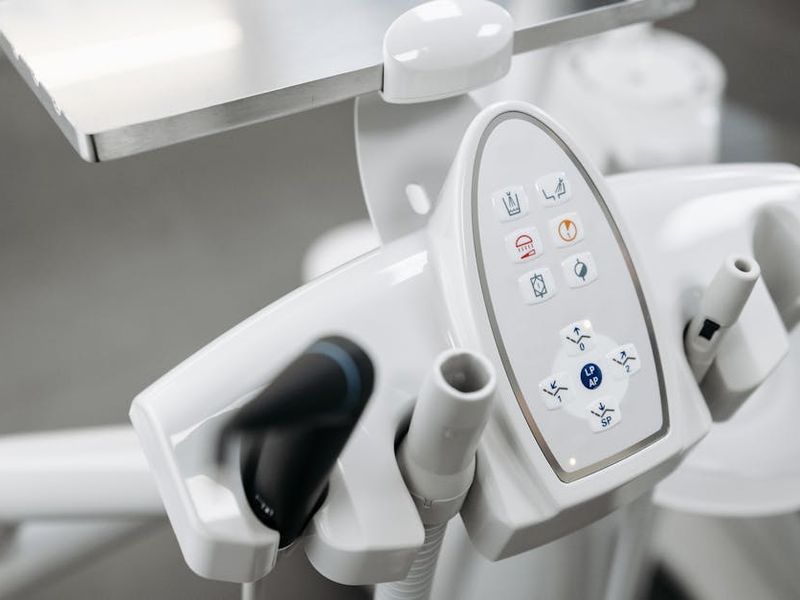
Cuenca attracts residents and dental tourists because it combines experienced dentists, modern clinics, and lower prices than North America or Europe. Many clinics in and around the historic center invest in digital diagnostics (CBCT scans and intraoral scanners) and partner with local labs for relatively fast turnaround on crowns. But longevity of the implant doesn’t depend on the city alone—planning, technique, materials and daily care matter most.
How Long Do Dental Implants Typically Last?
With proper placement and maintenance, dental implants can last decades. Clinical studies commonly report implant survival rates above 90% at 10 years. In practical terms, the titanium or zirconia post that fuses to the jaw (osseointegration) often lasts decades, while the crown or prosthetic portion may need replacement after 10–20 years due to wear, fracture, or aesthetic changes.
Key Lifespan Benchmarks
- Implant fixture (post): Often 20+ years, frequently lifetime if healthy bone and soft tissues are maintained.
- Crown/abutment: Typically 8–15 years depending on material (porcelain fused to metal, zirconia, or all-ceramic) and oral habits.
- Overall success (no peri-implant disease): Dependent on hygiene, systemic health, and follow-up care.
Factors That Affect Implant Longevity in Cuenca
Your implant’s lifespan depends on both controllable and uncontrollable factors. Understanding them helps you choose the right clinic and plan long-term care.
Clinical Factors
- Implant brand and surface technology — well-established systems (Straumann, Nobel, Zimmer, etc.) have long-term research behind them; many reputable Cuenca clinics use these or equivalent systems.
- Surgical technique and planning — 3D CBCT imaging and guided surgery reduce complications and improve placement accuracy.
- Bone quality and quantity — thin or soft bone may require grafting or sinus lifts. Successful grafts are common in Cuenca but add time and cost.
Patient Factors
- Oral hygiene — plaque control around implants is critical to avoid peri-implant mucositis and peri-implantitis.
- Smoking — increases failure risk and slows healing; quitting improves outcomes.
- Systemic health — uncontrolled diabetes or immune compromises affect bone healing and infection risk.
- Bruxism (teeth grinding) — can overload implants; nightguards and occlusal adjustments help.
Typical Treatment Timeline and What to Expect
Understanding the treatment phases helps you plan travel and recovery if you’re an expat or dental tourist. Timelines vary by case complexity.
Common Phases
- Initial consultation and diagnostics (0–2 weeks): Clinical exam, X-rays, CBCT, impressions or digital scans.
- Extraction and grafting if needed (if applicable): Immediate grafting or delayed placement; graft healing can take 3–6 months.
- Implant placement (surgery): Local anesthesia; some choose sedation. Osseointegration period follows (3–6 months depending on maxilla vs mandible).
- Abutment and crown placement: After integration, the abutment and final prosthetic are fitted. Some clinics offer immediate-load protocols for single crowns in select cases.
- Regular follow-up: Hygiene visits every 3–6 months initially, then at least annually for radiographs and soft-tissue checks.
Cost Considerations in Cuenca
Cuenca is generally less expensive than major North American and European cities, but prices vary by clinic, materials, and additional procedures like bone grafts or sinus lifts. Lower cost doesn’t have to mean lower quality—many affordable clinics use reputable implant systems and modern equipment.
Cost Components to Ask About
- Consultation and imaging (CBCT, X-rays)
- Extraction and socket grafting (if required)
- Bone graft or sinus lift (if required)
- Implant fixture (brand and warranty)
- Abutment and crown (material, e.g., zirconia vs porcelain fused to metal)
- Sedation or anesthesia fees
- Follow-up visits and any hygiene appointments
Choosing the Right Clinic in Cuenca
Cuenca’s dental clinics cluster around the historic center and major avenues. When evaluating options, prioritize quality indicators over price alone.
Checklist for Selecting a Clinic
- Verify credentials: Confirm the dentist’s registration with local dental authorities and ask about specialties (implantology, prosthodontics).
- Equipment: Look for CBCT/3D imaging, digital scanners, and evidence of sterilization protocols (autoclave).
- Case examples and references: Ask for before/after photos, patient testimonials, or contactable references—especially for complex grafting and full-arch cases.
- Implant brands: Ask which implant systems they use and whether you receive a written warranty or replacement policy.
- Lab partnerships: Inquire where crowns are fabricated—on-site or in a nearby dental lab—and what materials they use.
- Language and communication: Ensure the team communicates clearly in your language or that a reliable translator is available.
Aftercare: Daily Habits That Extend Implant Life
Long-term success is about maintenance. A few daily habits and periodic professional care go a long way.
Practical Aftercare Tips
- Brush twice daily and use a soft-bristled brush around the implant to avoid trauma to the gum line.
- Use interdental brushes or water flossers to clean the spaces around abutments and under bridges where floss can’t reach.
- Schedule professional cleanings every 3–6 months initially; most clinics in Cuenca offer thorough maintenance services at reasonable prices.
- Monitor for early signs of trouble: bleeding, swelling, increased mobility, or a bad taste can indicate peri-implant disease and require prompt care.
- Protect implants from heavy load: use a nightguard if you grind your teeth and avoid using teeth as tools to crack hard foods.
Managing Complications: Peri-Implantitis and Repairs
Peri-implantitis (infection and bone loss around an implant) is the main long-term threat. Early detection greatly improves the chance of saving the implant.
Preventing and Handling Peri-Implantitis
- Prevention: meticulous oral hygiene, quitting smoking, and controlling systemic conditions like diabetes.
- Regular monitoring: radiographs every 1–2 years help detect early bone loss; your dentist should document pocket depths and soft tissue health.
- Treatment options: non-surgical cleaning, local antibiotics, or surgical decontamination with possible bone regeneration procedures.
- Replacement timeline: If an implant fails, a removed implant may be replaced after healing; bone grafting is often required before re-implantation.
Practical Tips for Expats and Dental Tourists
If you plan to combine travel to Cuenca with dental work, careful planning improves outcomes and reduces stress.
Logistics and Planning
- Plan for multiple visits: even with immediate-load options, expect at least two or three trips for consultation, surgery, and final prosthetic work unless your clinic offers a full-package plan.
- Accommodation: stay near the historic center (Parque Calderón and surroundings) where many clinics, pharmacies and labs are within walking distance.
- Transportation: local taxis are affordable and many find the historic center walkable; confirm clinic hours and arrange pick-up if you have sedation.
- Language: some clinics have English-speaking staff; if not, arrange a translator, particularly for informed consent and emergency instructions.
- Aftercare support: identify a local dentist or clinic for emergency care after you return home and keep copies of your radiographs and implant brand details.
Questions to Ask Before You Sign Up
Going in with a checklist helps you compare clinics objectively and avoid surprises.
Essential Questions
- What brand and model of implant will be used, and is it backed by long-term studies?
- Can I see case studies of similar treatments (grafts, full-mouth reconstructions)?
- What are the exact costs and what do they include (surgery, components, lab work, follow-ups)?
- What is the protocol if an implant fails—do you provide replacement or refunds?
- How will you coordinate with my local dentist for long-term maintenance?
Final Thoughts: Investing in Long-Term Success
In Cuenca you can find experienced clinicians and modern technology at prices that often make implant therapy more accessible. Longevity depends less on geography and more on thorough planning, the quality of the implant system and surgical technique, and a long-term commitment to oral hygiene and regular professional care. Choose a clinic that communicates clearly, uses reliable materials, documents treatment plans, and supports you during healing and beyond. With the right approach, dental implants placed in Cuenca can provide many decades of functional and aesthetic results—making them a worthwhile investment in your oral health and quality of life.
If you’re considering implants in Cuenca, start by scheduling a consultation with a clinic that provides CBCT imaging and a written treatment plan. Bring your medical history, current meds, and questions about warranty, follow-up care and emergency protocols—those details are often the difference between good outcomes and great ones.