
Table of Contents
Introduction: Why this matters in Cuenca
Dental health is one of those quiet foundations of daily life: easy to ignore until a problem hurts, bleeds, or spoils your smile. In Cuenca, where a growing population of locals and expats share the same clinics and dental culture, understanding when and why to see a dentist helps you avoid emergencies, save money, and keep your mouth healthy for the long term. This guide explains the importance of regular dental check-ups, what to expect in Cuenca’s clinics, how to choose a dentist, and practical prevention tips tailored to life in this Andean city.
Why regular dental check-ups matter
Routine dental appointments are about far more than just getting your teeth polished. During a check-up, a dentist looks for early signs of decay, gum disease, and other conditions that are often painless in the beginning. Catching problems early can mean simpler, less expensive treatments and better outcomes.
There’s also a strong link between oral health and overall health. Untreated gum infections can worsen chronic conditions like diabetes or cardiovascular disease, while mouth infections can affect nutrition and quality of life—especially for older adults. Regular visits help control these risks.
For people living in Cuenca, routine care also reduces the risk of emergency trips to the dentist, which can be more stressful and costly. Whether you’re a local or an expat, scheduling preventive care helps you maintain your lifestyle—smiling, eating, and socializing with confidence.
When should you schedule a dental visit?
Standard recommendations are simple but effective:
- Healthy adults: a check-up and cleaning every 6 months.
- People with gum disease or other active issues: more frequent visits, often every 3–4 months.
- Children: start visits when the first tooth appears or by age one, then follow the dentist’s schedule.
- After dental work (crowns, implants, orthodontics): follow-up as advised by your dentist.
There are clear signs you shouldn’t wait for your next scheduled check-up. Book an appointment promptly if you notice:
- Persistent tooth pain or sensitivity
- Bleeding or swollen gums
- Loose teeth or new gaps
- Non-healing sores or patches in the mouth
- Unexplained bad breath or a metallic taste
What to expect during a routine appointment in Cuenca
Cuenca’s dental clinics range from small private offices to modern multi-specialty centers. A typical routine appointment includes the following steps:
- Review of medical and dental history — important if you are on medications or have chronic illnesses.
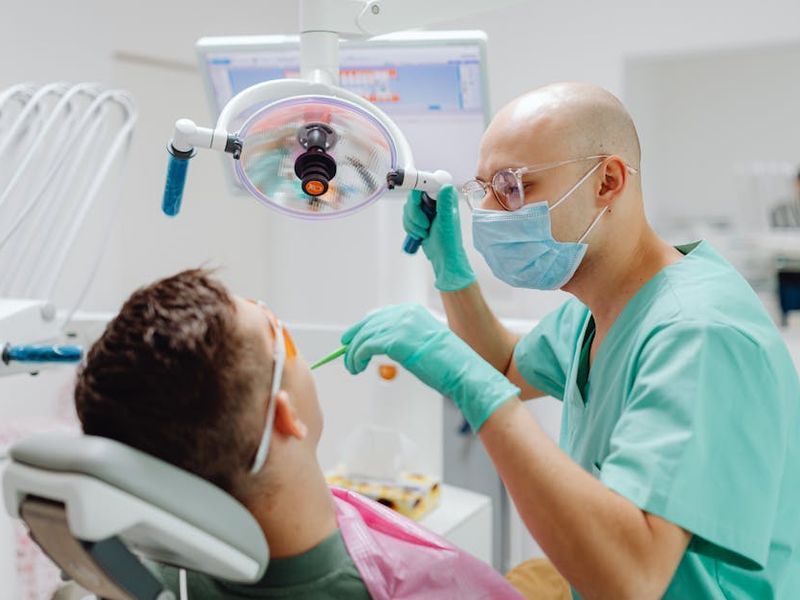
- Clinical exam — the dentist checks teeth, gums, bite, and soft tissues for signs of problems.
- Cleaning (prophylaxis) — scaling and polishing to remove plaque and stains. Some clinics include polishing; others charge separately for deeper cleanings.
- X-rays if needed — to detect cavities between teeth, bone loss, or problems below the gumline.
- Discussion and treatment planning — the dentist explains findings and recommends next steps.
Many Cuenca clinics use digital X-rays and intraoral cameras—technologies that allow you to see what the dentist sees. Don’t hesitate to ask for explanations and to see the images; a good dentist will involve you in decisions.
Common dental services available in Cuenca
Most dental offices in Cuenca provide a full range of services. Typical offerings include:
- Preventive care: cleanings, fluoride treatments, sealants for children.
- Restorative care: fillings, crowns, bridges.
- Endodontics: root canal therapy for infected teeth.
- Periodontics: treatment for gum disease, including scaling and root planing.
- Prosthodontics: dentures, partials, and implant-supported prostheses.
- Orthodontics: braces and clear aligners for children and adults.
- Oral surgery: extractions, surgical removal of impacted teeth, implant placement.
- Cosmetic procedures: whitening, veneers, smile design.
Cuenca also has specialists—endodontists, periodontists, oral surgeons—usually available through private referral or larger clinics. If you need advanced care, ask your general dentist for recommendations and referrals.
Costs, insurance, and payment options
Dental care in Cuenca is generally less expensive than in North America or Europe, which is why many visitors come for dental tourism. However, prices vary widely depending on materials, complexity, and the clinic’s location and reputation.
If you rely on Ecuador’s public social security (IESS), some basic dental services may be covered, but wait times and available treatments can be limited. Many residents and expats choose private care for convenience and access to a wider range of materials and technologies.
Payment practices:
- Private clinics usually accept cash and credit/debit cards. Some accept international cards; confirm before your appointment.
- Larger clinics may offer financing, installment plans, or discount packages for multi-visit treatments like implants or orthodontics.
- Always ask for a written estimate before treatment, including materials and follow-up appointments.
If you’re an expat using international insurance, check whether the policy reimburses for overseas care and what documentation you’ll need (itemized receipts, procedural codes, X-rays).
How to choose a dentist in Cuenca
Choosing the right dentist affects your comfort, outcomes, and long-term care. Consider these practical tips:
- Ask for referrals: Ask local friends, neighbors, or expat community groups for recommendations. Facebook groups and local forums are lively resources where people share real experiences.
- Check credentials: Dentists in Ecuador should hold a degree from an accredited school. Many will display diplomas or certifications in the office.
- Visit the clinic first: A short visit to check hygiene, sterilization methods, and staff friendliness can tell you a lot. Clean, well-organized offices are a good sign.
- Discuss language: If you don’t speak Spanish, ask whether staff or the dentist speaks English. Some clinics catering to expats have bilingual personnel.
- Look at technology and materials: Digital X-rays, modern sterilization, and reputable brands for crowns and implants indicate investment in quality care.
- Transparency: A trustworthy dentist will explain options, pros and cons, timelines, and costs clearly without pressure.
Preparing for your visit: practical steps
Before an appointment in Cuenca, do these things to make the visit smooth:
- Bring a list of medications and any medical conditions. Some medicines affect treatment choices (e.g., blood thinners).
- Bring previous dental records or X-rays if you have them—especially if you’ve recently moved from another country.
- Have your ID and any insurance documentation or membership cards ready.
- If you’re nervous, tell the clinic—many dentists offer options to reduce anxiety, including sedation or breaks during procedures.
- Plan transportation: many central Cuenca clinics are within walking distance of Parque Calderón and El Centro, but if you need a taxi, confirm the address and possible parking options.
Emergency dental care and after-hours options
Even with regular care, emergencies happen. The most common dental emergencies are severe pain, swelling, knocked-out teeth, or infections. In Cuenca:
- Small clinics often provide limited emergency slots; call first to explain symptoms.
- Larger clinics and hospitals can manage infections and surgical emergencies—ask your dentist for local emergency referrals.
- If you experience swelling, fever, or trouble breathing, seek emergency medical care immediately—oral infections can become systemic.
For temporary relief before your appointment: rinse with warm salt water, use over-the-counter pain relievers (follow dosage instructions), and avoid very hot or cold foods. Never place aspirin directly on a tooth or gum—it can damage tissue.
Preventive habits to minimize dental visits
Good home habits reduce the frequency and complexity of dental visits. Simple daily routines have big impacts:
- Brush twice a day with fluoride toothpaste for two minutes each time.
- Floss daily to remove plaque from between teeth and under the gumline.
- Limit sugary snacks and acidic beverages; when you do consume them, rinse with water afterward.
- Use sugar-free gum after meals if you can’t brush—chewing stimulates saliva that helps protect teeth.
- Attend check-ups on schedule—prevention is far cheaper and less invasive than treatment.
Also consider local diet factors: Cuenca’s fresh fruits and traditional cuisine are healthy in many ways, but frequent snacking on sugary treats or sodas will increase decay risk. Moderation and mindful oral hygiene are key.
Special considerations for families and expats
If you’ve recently moved to Cuenca with a family, here are a few thoughtful points:
- Children’s dentistry: Pediatric dentists in Cuenca can handle preventive care and early orthodontic assessments. Establishing dental visits early helps children develop positive habits.
- Elderly care: If a family member requires dentures, implants, or treatment for dry mouth and root decay, ask clinics about geriatric dentistry and coordination with medical providers.
- Cosmetic dentistry and dental tourism: Some expats choose Cuenca for cost-effective cosmetic work (veneers, implants). If you consider this route, plan for multiple visits and ensure your dentist provides guarantees and clear follow-up plans.
- Language and cultural differences: Be patient with communication, and use translators or bilingual staff if necessary. Most dentists aim to provide compassionate care to international patients.
Finding resources in Cuenca
Where to look for reputable dentists and information:
- Local expat groups and forums: Many residents share their dentists and experiences in community groups.
- Clinic websites and reviews: Look for recent reviews and before/after photos for cosmetic work.
- Ask your physician or pharmacy for recommendations—healthcare professionals often know trusted dental providers.
- Visit clinics in person: A short walk through El Centro’s dental corridor can let you compare offices, meet staff, and ask direct questions.
Final thoughts: make dental care a regular part of life in Cuenca
Regular dental check-ups are a simple, powerful way to protect your health, finances, and quality of life. In Cuenca you’ll find a range of experienced dentists, modern clinics, and cost-effective options—whether you need routine cleaning, restorative work, or cosmetic treatment. The best approach is proactive: establish a relationship with a dentist you trust, attend scheduled check-ups, and practice strong daily oral hygiene. That combination will keep you smiling comfortably through your life in this beautiful Andean city.
Book your next check-up today, and treat your dental health as the important, manageable part of your overall wellbeing that it truly is.
Adam Elliot Altholtz serves as the Administrator & Patient Coordinator of the “Smilehealth Ecuador Dental Clinic“, along with his fellow Expats’ beloved ‘Dr. No Pain‘, right here in Cuenca, Ecuador, and for purposes of discussing all your Dental needs and questions, is available virtually 24/7 on all 365 days of the year, including holidays. Adam proudly responds to ALL Expat patients from at least 7:00am to 9:00pm Ecuador time, again every single day of the year (and once more even on holidays), when you write to him by email at info@smilehealthecuador.com and also by inquiry submitted on the Dental Clinic’s fully detailed website of www.smilehealthecuador.com for you to visit any time, by day or night. Plus, you can reach Adam directly by WhatsApp at +593 98 392 9606 -or by his US phone number of 1‐(941)‐227‐0114, and the Dental Clinic’s Ecuador phone number for local Expats residing in Cuenca is 07‐410‐8745. ALWAYS, you will receive your full Dental Service in English (NEVER in Spanish), per you as an Expat either living in or desiring to visit Cuenca by your Dental Vacation, plus also to enjoy all of Ecuador’s wonders that are just waiting for you to come arouse and delight your senses.