
Table of Contents
Why Cuenca is the perfect base for day trips
Cuenca’s compact historic center, reliable transport links and highland location make it a wonderful hub for exploring southern Ecuador. Within a few hours you can switch from colonial streets to páramo lakes, Inca ruins, dramatic train routes and artisan workshops. This guide lays out nine approachable day trips, how to get there, what to pack and realistic sample itineraries so you can make the most of a single day.
Quick logistics: getting started from Cuenca
Most regional buses leave from Cuenca’s Terminal Terrestre (interprovincial bus station). For quicker trips, look for colectivos (shared vans) or hire a private driver for the day — prices vary but a private half-day driver often runs $40–$70 depending on distance. Always bring cash; smaller towns may not take cards. Expect altitudes from Cuenca’s 2,560 m to destinations above 3,000–4,000 m, so dress in layers and plan for strong sunlight and sudden weather changes.
1) El Cajas National Park — lakes, trails and highland vistas
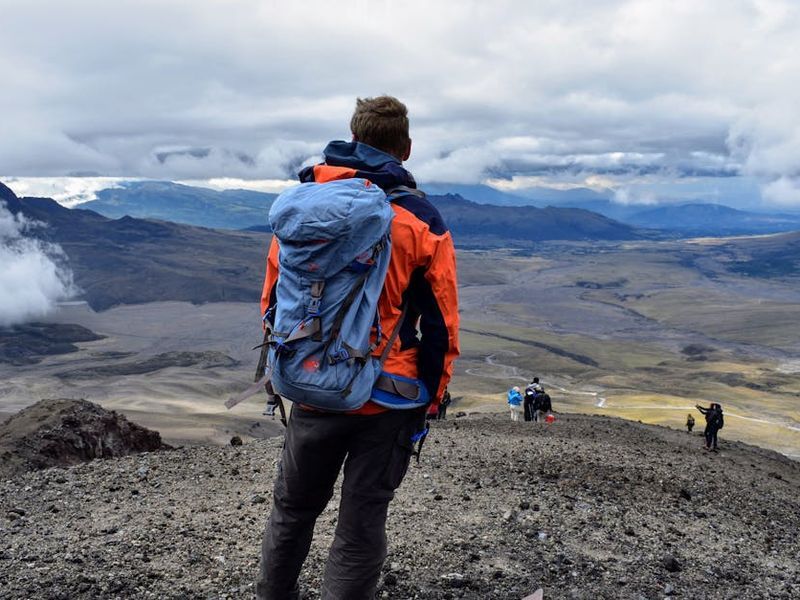
Why go: El Cajas is the nearest highland wilderness area and a favorite for hikers, birders and photographers. Within 30–60 minutes you enter a landscape of glacial lakes (lagunas), rolling moorland and unique páramo flora.
Getting there: Regular buses and day tours depart Cuenca; a colectivo or taxi can also be arranged. Travel time: 30–60 minutes depending on the park entrance you use.
What to expect: Popular hikes range from short viewpoints to multi-hour loops. Notable spots include Laguna Toreadora and Laguna Llaviuco. Trails can be boggy — waterproof boots and gaiters help.
Tips: Start early to avoid clouds, bring water and snacks, and allow time for altitude acclimatization. The dry season (June–September) usually has clearer skies for views.
2) Ingapirca Ruins — Ecuador’s largest Inca site
Why go: Ingapirca is the most significant pre-Columbian archaeological complex in Ecuador. The main temple building (the Temple of the Sun) demonstrates advanced stonework and offers a window into Cañari and Inca history.
Getting there: Buses run from Cuenca to Cañar and Ingapirca; by direct bus it’s roughly 1.5–2 hours. Hiring a driver gives you better flexibility for exploring the surrounding highlands.
What to expect: A guided tour (available at the site) explains the history and architecture. The grounds are expansive, so wear comfortable shoes and bring sun protection. There is a modest entrance fee — check current prices at the site.
Tip: Combine the ruins with a stop in the town of Cañar to visit local markets or small museums for a more rounded cultural day.
3) Alausí and the Nariz del Diablo train — dramatic mountain engineering
Why go: The Devil’s Nose (Nariz del Diablo) train ride is one of Ecuador’s most famous railway experiences — hairpin turns, steep drop-offs and spectacular views. Even if you don’t ride, Alausí is a charming town to explore.
Getting there: Bus travel time from Cuenca to Alausí is about 1.5–2.5 hours. The train rides operate on specific schedules and often require advance booking, especially in high season.
What to expect: If trains are running, the shorter “zig-zag” segment from Alausí to the Devil’s Nose viewpoint is a classic; full-day excursions continue toward Riobamba. Even without the train, Alausí offers colorful plazas, a viewpoint over the valley, and local bakeries.
Tip: Check the Ecuadorian railway schedule and book tickets early. Weather can change drastically in the mountains — dress warmly for the train.
4) Gualaceo & Chordeleg — market towns and artisan crafts
Why go: These neighboring towns form a must-see artisan corridor. Gualaceo has a lively market and textile scene; Chordeleg is famous for filigree silver jewelry and stylish shops filled with handcrafted goods.
Getting there: Buses and colectivos run frequently from Cuenca; travel time is roughly 40–60 minutes. It’s easy to visit both towns in a single day.
What to expect: Big market days are busiest in the morning. Look for handwoven textiles, hats, leather goods, and silver filigree in Chordeleg. Don’t be shy about bargaining respectfully — margins can be flexible.
Tip: Visit local workshops to see artisans at work. If you’re shopping for delicate pieces, ask for proper packaging to protect items during travel.
5) Paute — reservoirs, viewpoints and rural scenery
Why go: Paute and its surrounding valleys offer expansive water views, dam infrastructure, and quiet rural landscapes. It’s an excellent destination for photographers and travelers wanting a less touristy experience.
Getting there: Buses connect Cuenca with Paute in about 1–1.5 hours. Alternatively, arrange for a driver to include short stops at viewpoints along the way.
What to expect: Expect scenic overlooks over reservoirs and hydroelectric projects, small towns, and roadside food stalls where you can sample local dishes. Paute is quieter than the more tourist-focused towns and good for a peaceful day.
Tip: Bring binoculars to scan the water and ravines. If you’re interested in engineering, ask locally about guided visits to dam viewpoints (access may be limited).
6) Girón — colonial charm and nearby cascades
Why go: Less than an hour from Cuenca, Girón is a mellow colonial town with a slow pace, a pretty central plaza and access to nearby waterfalls and scenic country roads.
Getting there: Frequent buses leave Cuenca; drive time is roughly 30–60 minutes depending on your route. Colectivos are also common.
What to expect: Wander the church-lined plaza, enjoy local eateries, and take short walks to nearby viewpoints or cascades. The town is a pleasant place to relax and enjoy local life away from the more tourist-heavy spots.
Tip: Stop at a traditional bakery or café for empanadas and local coffee — a simple but rewarding part of the Girón experience.
7) Small-scale rural routes: explore parishes and haciendas
Why go: A leisurely day visiting rural parishes (known locally as parroquias) or historic haciendas reveals the agricultural backbone of the region — sugarcane fields, small farms, and old estate houses now sometimes converted into cafés or guesthouses.
Getting there: Hire a driver for a half- or full-day loop to visit 2–4 parishes outside Cuenca. Distances are short but the charm is in the stops: viewpoints, family-run restaurants and roadside fruit sellers.
What to expect: A slower, more intimate look at everyday Ecuadorian life. Many haciendas welcome visitors if you call ahead; some offer traditional lunches or tours of gardens and orchards.
Tip: Practice a few Spanish phrases — locals appreciate attempts to connect in their language.
8) Day hikes and birdwatching around nearby valleys
Why go: For active travelers, there are countless shorter hikes within 30–90 minutes of Cuenca that are ideal for a day: river valleys, cloud forest patches and private reserves that cater to birdwatchers and nature lovers.
Getting there: Look for specialized nature guides or eco-tour operators in Cuenca who run morning or full-day trips. Private drivers can also take you to trailheads where registered guides are available.
What to expect: Bring binoculars for hummingbirds and Andean species, waterproof layers for sudden rain, and sturdy footwear. Private reserves often charge small entrance fees that support conservation and local communities.
Tip: Dawn is best for birding; plan for early departures if you’re chasing specific species.
9) Combine and customize: sample day itineraries
Classic outdoors day: Start early at El Cajas (2–4 hour loop), return through Gualaceo for lunch and artisan shopping, and finish with sunset views near Cuenca’s Mirador for a full, layered day.
History and culture day: Head to Ingapirca in the morning for a tour of the ruins, stop in Cañar for a market visit, and return via Paute or Alausí for late-afternoon photos of river valleys.
Train and town day: Take the morning bus to Alausí, ride the Devil’s Nose (if available), explore Alausí’s plazas and shops, then visit Chordeleg on the way back to browse jewelry stores.
Practical packing list and safety tips
- Layers: fleece, waterproof jacket, hat and gloves for high-altitude chill.
- Footwear: waterproof hiking boots for moorland and uneven trails.
- Sun protection: sunscreen, sunglasses, and a brimmed hat — UV is intense at altitude.
- Hydration: carry water and electrolyte snacks for longer hikes.
- Cash: small bills and change for markets, entry fees, and rural vendors.
- Altitude awareness: if you feel headache, nausea or dizziness, descend and rest. Pace yourself on hikes.
- Language basics: a few Spanish phrases go a long way in small towns.
When to go: seasons and timing
The dry season (roughly June to September) offers the clearest skies and the best hiking conditions. The wetter months (October–May) still have sunny spells but expect short afternoon rains and muddier trails. For markets and festivals, check local calendars — many towns have weekend markets or annual fiestas that offer a richer cultural experience.
Final tips for planning your perfect day trip
Mix active, cultural and slow days for a balanced stay in and around Cuenca. Booking a private driver for a full day is surprisingly affordable when split among two to four travelers and gives you the flexibility to chase weather windows or linger where you like. For train trips and specialized tours, reserve ahead during high season. And remember: some of the most rewarding moments come from small detours — a coffee at a roadside tienda, a spontaneous market stop, or a short path leading to a quiet viewpoint.
With Cajas’ sweeping landscapes, Ingapirca’s ancient stones, Alausí’s dramatic railway and the artisan charm of Gualaceo and Chordeleg, Cuenca’s surroundings reward every curiosity. Pick one or two day trips, build a relaxed plan and let the region’s varied moods unfold at a comfortable pace.