
Table of Contents
Introduction: Why Cuenca is a Nature Lover’s Basecamp
Cuenca is famous for its colonial architecture and pleasant expat community, but the surrounding landscape is what really steals the hearts of outdoor lovers. Within an hour of the city you can shift from cobblestone streets to high-altitude lakes, cloud forests, deep river valleys and patchwork agricultural scenery. This guide walks you through the best natural areas near Cuenca, practical travel tips, wildlife highlights and suggested itineraries so you can plan memorable day trips and multi-day adventures.
Parque Nacional Cajas: The Highland Jewel
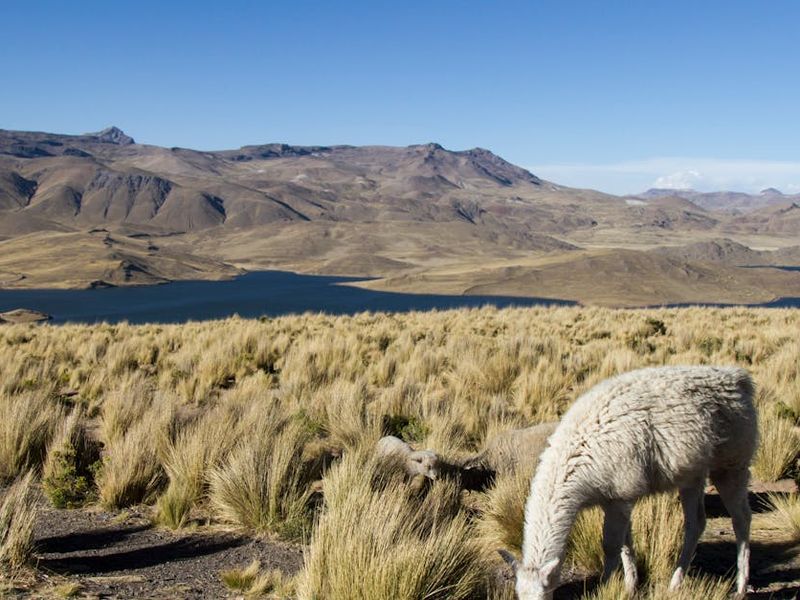
Just west of Cuenca lies Parque Nacional Cajas, a spectacular páramo ecosystem stretching across glacial-carved valleys and dotted with hundreds of lagoons. Elevations range from roughly 3,100 to over 4,000 meters (10,000–13,000 ft), so the landscape is dramatic: peat bogs, tussock grasses, puna vegetation and clear, cold lakes. Cajas is ideal for hikers, photographers, trout anglers and anyone seeking wide open skies.
What to do in Cajas
- Hike short circuits around accessible lagoons—Toreadora is a popular starting point for day hikes.
- Drive scenic loops and stop at viewpoints for panoramic shots of lakes and mountains.
- Try fly fishing or sample freshly caught trout at a local mountain restaurant.
- Birdwatch—highland species and waterbirds are common around the lakes.
Practical notes: Cajas is roughly a 30–45 minute drive from Cuenca. Weather can change rapidly—sunny mornings may turn to wind and drizzle—so bring layers and a waterproof shell. Because of the elevation, take it easy on your first day and stay hydrated to reduce the chance of altitude discomfort.
Río Tomebamba and Urban Nature Walks
Within Cuenca’s city center, the Río Tomebamba offers a surprisingly green escape. Stone bridges, riverwalk gardens and shaded promenades make riverside strolls easy and relaxing. Locals and visitors alike use these riverside paths for morning walks, photography, and to enjoy the view of colonial buildings mirrored in the water.
Highlights along the river
- Stroll the Paseo del Río Tomebamba, crossing historic bridges and pausing at café terraces.
- Explore small pocket parks and green corridors that support urban birdlife and butterflies.
- Combine a river walk with a visit to Pumapungo Museum and its archaeological gardens for a cultural-nature half-day.
These short, easy outings are perfect for acclimatization or for days when you want fresh air without leaving the city.
Yunguilla Valley: Cloud Forests, Fruit Orchards and Birding
South of Cuenca, the Yunguilla Valley is a lesser-known gem that offers a contrasting landscape to the high puna of Cajas. Yunguilla is warmer and greener—terraced farms, citrus orchards and patches of cloud forest dominate the valley. It’s an excellent destination for birdwatchers, light trekking, and for experiencing rural Andean life.
What makes Yunguilla special
- Rich birdlife: the valley is home to many cloud-forest and edge species—bring binoculars.
- Outdoor activities: short hikes, canyon viewpoints, and some private reserves that welcome visitors.
- Local stays: small guesthouses and agri-tourism farms provide authentic experiences and home-cooked meals.
Travel time is usually about 45–75 minutes from central Cuenca by car, depending on which part of the valley you visit. Roads can be narrow and steep in places, so travel cautiously and consider a local driver for comfort.
Gualaceo, Chordeleg and the Eastern Valleys
A short drive east of Cuenca leads to a network of valleys and small towns—Gualaceo and Chordeleg are two notable destinations. While they’re better known for handicrafts and markets, the surrounding countryside offers inviting river canyons, waterfalls, and rural trails perfect for easy day hikes and nature walks.
Activities and attractions
- Combine a morning market visit with an afternoon walk along nearby river trails.
- Explore reservoirs and viewpoints for dramatic valley panoramas—ideal at sunset.
- Discover small, family-run nature experiences like fruit orchards, coffee farms or trout pools.
These corners of Azuay province provide a peaceful contrast to busier tourist sites and are great for travelers who appreciate slow, immersive experiences.
Birdwatching & Wildlife: What You Might See
The ecosystems around Cuenca—from high páramo to cloud forest and riparian corridors—support a broad array of wildlife. Birdwatchers can find highland specialties near Cajas and montane species in the valleys and cloud forests. Mammals are more elusive, but you may spot deer, foxes, and small mammal species if you’re patient and quiet.
Tips for wildlife watching
- Go early: dawn and early morning are the most active wildlife hours.
- Bring optics: a good pair of binoculars and a spotting scope make a big difference.
- Hire a local guide: they know where seasonal specialties appear and how to locate shy species.
Respect wildlife by keeping a safe distance, staying on paths, and avoiding the use of playback calls when prohibited by local regulations.
Hiking Difficulty, Altitude and Safety
Trails around Cuenca vary from easy river walks to high-altitude treks in Cajas. Even short hikes in the páramo can be physically demanding because of thin air. Know your limits and plan accordingly.
Practical safety tips
- Acclimatize: spend the first day in Cuenca (2,500 m / 8,200 ft) resting before heading higher to areas above 3,000 m.
- Pace yourself: short, steady walks are better than fast ascents; drink water and eat snacks.
- Footwear: sturdy, waterproof hiking boots or shoes with good traction are essential—páramo terrain can be boggy.
- Weather: layer clothing, bring sun protection and a rain jacket; temperatures can swing widely in a single day.
If you plan overnight trekking in Cajas or remote reserves, consider hiring a guide familiar with local routes and safety protocols.
Getting There: Transport Options from Cuenca
Cuenca is well connected by local buses, private shuttles and taxi services to nearby nature areas. Here are realistic and practical options for reaching the popular destinations mentioned:
How to reach the main areas
- Cajas National Park: regular day tours leave from Cuenca, or take a taxi/collectivo to the Cajas entrance and explore on your own. Having a car gives maximum flexibility.
- Yunguilla Valley: rent a car or book a guided tour—public buses go toward some valley towns but may not serve remote lodges.
- Gualaceo & Chordeleg: direct buses leave the Cuenca bus terminal for these towns; once there, local taxis or walking will get you to nearby nature spots.
- Río Tomebamba: within the city—simply walk from the historic center.
For comfort and safety on mountain roads, many visitors choose private drivers or guided tours, especially when visiting multiple sites in one day.
Best Times to Visit for Weather and Wildflowers
Cuenca’s climate is mild but influenced by altitude. The region has a wetter season and a drier season, and wildflower displays vary by elevation.
Seasonal tips
- Dry season (June–September): often the most predictable weather in the highlands—good for long hikes and photography.
- Shoulder months (March–May, October–November): can be ideal—fewer crowds, lush landscapes after early rains.
- Wet season (December–February): expect frequent showers and mist; some higher trails may be muddy but also greener and dramatic.
Wildflower displays are best in the months following the rains when the valleys and páramo burst with color. Birding can be rewarding year-round, but some migratory species will only appear in certain months.
Responsible Travel: Leave No Trace and Support Local Communities
Natural areas around Cuenca are beautiful but fragile. Responsible travel minimizes impact and benefits local people.
Simple ways to travel responsibly
- Stay on marked trails and avoid trampling fragile vegetation, especially in the páramo where recovery is slow.
- Pack out waste—carry a small trash bag and leave the area cleaner than you found it.
- Hire local guides and use locally owned lodges and restaurants to direct tourism income to the community.
- Respect local customs and ask before photographing people’s homes or farms.
Joining a community-operated hike or birding tour can provide valuable income to rural areas while giving you a richer cultural and ecological experience.
Suggested Itineraries: From Half-Day to Multi-Day Adventures
Depending on your time, fitness and interests, here are a few itinerary ideas to make the most of Cuenca’s natural highlights.
Half-day: Riverside and City Gardens
- Morning: walk the Paseo del Río Tomebamba, visit Pumapungo and enjoy a riverside lunch.
- Afternoon: explore the botanical pockets near the city and relax at a café overlooking the river.
Day trip: Cajas National Park
- Early departure from Cuenca, drive to the park and hike around one or two lakes (bring warm layers).
- Stop at a mountain restaurant for trout before returning to the city at sunset.
Two to three days: Yunguilla + Gualaceo loop
- Day 1: Travel to Yunguilla, enjoy guided birding and valley hikes; stay overnight at a guesthouse.
- Day 2: Head east to Gualaceo and Chordeleg for markets and canyon viewpoints; return to Cuenca or stay locally for an extra day of exploration.
These itineraries can be mixed and matched depending on your interests: wildlife, photography, cultural stops, or relaxation.
Packing Checklist for Nature Trips Around Cuenca
Prepare for variable weather and diverse terrain with this practical list:
- Layered clothing (base layer, insulating mid-layer, waterproof shell)
- Sturdy, waterproof hiking shoes
- Hat, sunglasses and high-SPF sunscreen
- Reusable water bottle and snacks/high-energy food
- Binoculars and a camera with extra batteries or power bank
- Basic first-aid kit and any personal medications (include altitude sickness remedies if advised by your doctor)
- Small trash bag to pack out waste
Final Thoughts: The Variety of Nature Near Cuenca
Whether you crave the stark beauty of páramo lakes in Parque Nacional Cajas, the intimacy of a riverside walk in the city, or the vibrant green of cloud-forest valleys like Yunguilla, Cuenca is an excellent base for nature-focused travel. With short drives to radically different ecosystems, it’s possible to tailor trips to your fitness level and interests while supporting local communities that steward these landscapes.
Get outside, take your time, and let the highland skies and Andean valleys reshape the way you see Ecuador—and perhaps inspire your next outdoor adventure.
Adam Elliot Altholtz serves as the Administrator & Patient Coordinator of the “Smilehealth Ecuador Dental Clinic“, along with his fellow Expats’ beloved ‘Dr. No Pain‘, right here in Cuenca, Ecuador, and for purposes of discussing all your Dental needs and questions, is available virtually 24/7 on all 365 days of the year, including holidays. Adam proudly responds to ALL Expat patients from at least 7:00am to 9:00pm Ecuador time, again every single day of the year (and once more even on holidays), when you write to him by email at info@smilehealthecuador.com and also by inquiry submitted on the Dental Clinic’s fully detailed website of www.smilehealthecuador.com for you to visit any time, by day or night. Plus, you can reach Adam directly by WhatsApp at +593 98 392 9606 -or by his US phone number of 1‐(941)‐227‐0114, and the Dental Clinic’s Ecuador phone number for local Expats residing in Cuenca is 07‐410‐8745. ALWAYS, you will receive your full Dental Service in English (NEVER in Spanish), per you as an Expat either living in or desiring to visit Cuenca by your Dental Vacation, plus also to enjoy all of Ecuador’s wonders that are just waiting for you to come arouse and delight your senses.