
Table of Contents
Why Cuenca is a cultural destination
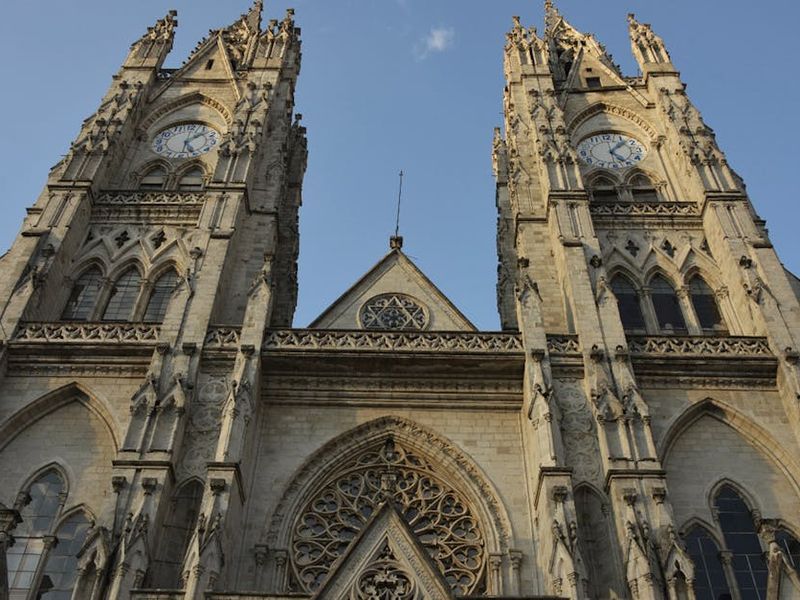
Cuenca’s UNESCO-listed historic center is more than a pretty skyline of blue-domed cathedrals and cobbled streets. It’s a working cultural ecosystem where archaeology, colonial art, contemporary galleries and lively festivals intersect. Whether you’re an art lover, history buff or an expat looking to plug into local life, Cuenca has easily accessible cultural experiences that fit short visits and deep dives alike.
Getting your bearings: the cultural neighborhoods
Start at Parque Calderón (Plaza Abdon Calderón), the heart of the old city. From there, the river Tomebamba divides the historic center into walkable neighborhoods filled with museums and galleries. Calle Larga and the blocks around it are home to many small galleries, artisan shops and cultural centers. El Barranco along the river slopes down to artisan ateliers and studios. Casa de la Cultura (Núcleo del Azuay) is a local hub for performances, exhibits and workshops—check its calendar for temporary shows.
Top museums you shouldn’t miss
Cuenca’s museum scene ranges from large archaeological sites to intimate convent collections. These are the highlights to plan around:
- Museo Pumapungo – Operated by the Banco Central del Ecuador, Pumapungo sits on an archaeological terrace with reconstructed Inca gardens and ethnographic displays. It’s a superb starting point for understanding the region’s indigenous and colonial history. Allow 2–3 hours to see the exhibits and walk the grounds.
- Las Conceptas Museum – Housed in a former convent, this museum specializes in religious art, colonial-era paintings and liturgical objects. The space itself—quiet cloisters and altarpieces—offers a window into Cuenca’s ecclesiastical heritage.
- Municipal and contemporary art spaces – Cuenca supports several municipal galleries that rotate contemporary exhibitions. These smaller venues are ideal for discovering local painters, sculptors and mixed-media artists and often host openings where you can meet creators.
- Specialty collections – Look for smaller, focused museums that showcase textile arts, local photography or the city’s musical tradition. These niche venues are often staffed by passionate curators who love to share stories you won’t find in guidebooks.
Practical museum tips
Many museums in Cuenca have modest admission fees (often a couple of dollars) and occasional free days—Sundays are a common choice. Opening hours can vary, especially on Mondays when some spaces close for maintenance or curation, so check websites or call ahead. If you want English-language materials or tours, request them in advance; staff at major museums are often accommodating but resources are limited.
Galleries and artist spaces: where to find contemporary work
Calle Larga and the surrounding streets feature rotating gallery exhibits, independent studios and cooperative spaces where emerging artists and artisans sell work directly. Look for window displays and small signs advertising openings—gallery nights often run on Thursday or Friday evenings and are great for casual conversations with artists over coffee or wine.
Tips for gallery hopping
Bring cash for smaller purchases—many independent galleries prefer cash or local bank transfers. If you’re interested in a piece too large or expensive to take home, talk to the gallery about shipping options; many will arrange packing and international shipping. If you’re an artist or collector, contact galleries ahead to ask about portfolio reviews or studio visits.
Festivals: a year-round calendar of culture
Cuenca’s festivals bring neighborhoods to life with music, dance, food and craft markets. While dates shift from year to year, here are the recurring types of festivals and cultural events to look for:
- Religious and civic celebrations – Semana Santa (Holy Week) sees elaborate processions and sacred music in churches across the city. The city also recognizes its local independence and civic anniversaries with parades and public events—these produce colorful displays of local pride in plazas and parks.
- Arts festivals – Annual festivals focused on theater, music or visual arts bring national and international performers to Cuenca. These events often include free outdoor performances, ticketed theater shows and artist workshops in cultural centers.
- Craft and artisan fairs – Cuenca is a hub for weavers, ceramicists and jewelry makers. Regular artisan fairs and weekend markets are the best places to buy locally made goods and to see live demonstrations of techniques like weaving or hat-blocking.
- Music series and street concerts – From classical ensembles in churches to jazz nights in intimate venues, Cuenca’s music calendar is active. Summer (the drier months) usually hosts more outdoor concerts along the river and in plazas.
How to plan around festivals
Check local cultural calendars (Casa de la Cultura, municipal tourism sites and social media pages of venues) a few months in advance if you want to attend major events. Book accommodation early for big festivals—popular weekends can sell out. If you prefer quieter travel, aim for the shoulder season when the city still has plenty of cultural life but fewer crowds.
Live performances and theaters
Theater and live music happen in several venues around town, from historic theaters to multipurpose cultural centers. Performances can range from classical music concerts in church settings to contemporary theater productions and dance recitals. Community theaters and university stages are great places to see local talent—and tickets are usually affordable.
Insider tip: how to find the best shows
Visit box offices at Casa de la Cultura or municipal theaters to pick up brochures listing upcoming programs. Local English-language Facebook groups and expat community boards often share translations and recommendations for visiting shows. For a spontaneous cultural evening, take a stroll in the historic center after sundown—many venues post last-minute performances on neighborhood bulletin boards.
Culinary culture: food markets, cafes and cultural dining
Cultural life in Cuenca extends into food. Traditional markets offer a chance to sample local specialties like mote, cuy, humid (a hearty meat stew) and fresh Andean cheeses. Riverside cafés along the Tomebamba are perfect for people-watching between museum visits. For a more curated experience, look for cultural dinners or food-and-music nights where cooks and performers collaborate.
Market and cafe suggestions
Visit traditional markets in the morning for breakfast stands and fresh fruit. In the afternoon, try a riverside café for a relaxed pause between galleries. Many restaurants in the historic center reflect local culinary traditions or modern reinterpretations of Andean ingredients—reservations are recommended at popular spots on festival weekends.
Suggested cultural itineraries
Short on time? Here are two practical day plans that balance museums, galleries and live culture.
- One-day cultural sampler – Morning: Museo Pumapungo and gardens; Lunch: a café by the Tomebamba; Afternoon: Las Conceptas and a municipal gallery on Calle Larga; Evening: a concert or theater performance in a local venue.
- Three-day deep dive – Day 1: archaeological and historical museums plus a walking tour of the historic center; Day 2: gallery visits in Calle Larga, studio visits or art workshops, and an artisan market; Day 3: a festival or live performance, followed by a riverside dinner and a sunset walk along El Barranco.
Practical tips for visitors and expats
Cuenca’s center is extremely walkable, but the city’s altitude (about 2,500–2,600 meters) means take it easy the first day if you’re newly arrived. Daily weather is changeable—layer clothing and carry a light rain jacket. Local public transport and taxis are inexpensive; ask your accommodation to arrange a taxi if you’re attending an evening event late at night. Most museums accept cash only or local payment methods—have small bills on hand.
Accessibility and language
If accessibility is a concern, contact museums and venues in advance—many have ramps or accessible entries but older buildings can be challenging. Spanish is the dominant language in cultural programming. While major museums sometimes offer printed English materials, guides and event hosts often speak only Spanish; bringing a phrasebook or using a translation app will enhance the experience.
How to connect with local cultural life
Be proactive: follow Casa de la Cultura del Azuay and the municipal cultural office on social media, join local expat groups for event tips, and pop into gallery openings. Volunteering at a festival or taking a short workshop—basketry, textile weaving or pottery—can turn a visit into a lasting connection.
Final thoughts: make space for discovery
Cuenca reveals itself slowly. Leave room in your itinerary for serendipity—unplanned gallery openings, a street musician near Plaza Calderón, or a pop-up artisan market along the river. Those unexpected cultural encounters are often the most memorable, helping you understand why Cuenca is not just a heritage city to observe, but a living cultural center you can participate in.
Ready to plan your trip? Start with Museo Pumapungo on your first day, save an evening for a live concert, and keep a flexible afternoon for gallery-hopping in Calle Larga. With a little curiosity and local guidance, you’ll find Cuenca’s cultural scene both rich and welcoming.
Adam Elliot Altholtz serves as the Administrator & Patient Coordinator of the "Smilehealth Ecuador Dental Clinic", along with his fellow Expats' beloved 'Dr. No Pain', right here in Cuenca, Ecuador, and for purposes of discussing all your Dental needs and questions, is available virtually 24/7 on all 365 days of the year, including holidays. Adam proudly responds to ALL Expat patients from at least 7:00am to 9:00pm Ecuador time, again every single day of the year (and once more even on holidays), when you write to him by email at info@smilehealthecuador.com and also by inquiry submitted on the Dental Clinic's fully detailed website of www.smilehealthecuador.com for you to visit any time, by day or night. Plus, you can reach Adam directly by WhatsApp at +593 98 392 9606 or by his US phone number of 1‑(941)‑227‑0114, and the Dental Clinic's Ecuador phone number for local Expats residing in Cuenca is 07‑410‑8745. ALWAYS, you will receive your full Dental Service in English (NEVER in Spanish), per you as an Expat either living in or desiring to visit Cuenca by your Dental Vacation, plus also to enjoy all of Ecuador's wonders that are just waiting for you to come arouse and delight your senses.