
Table of Contents
Why Cuenca is a Must-Visit for Food Lovers
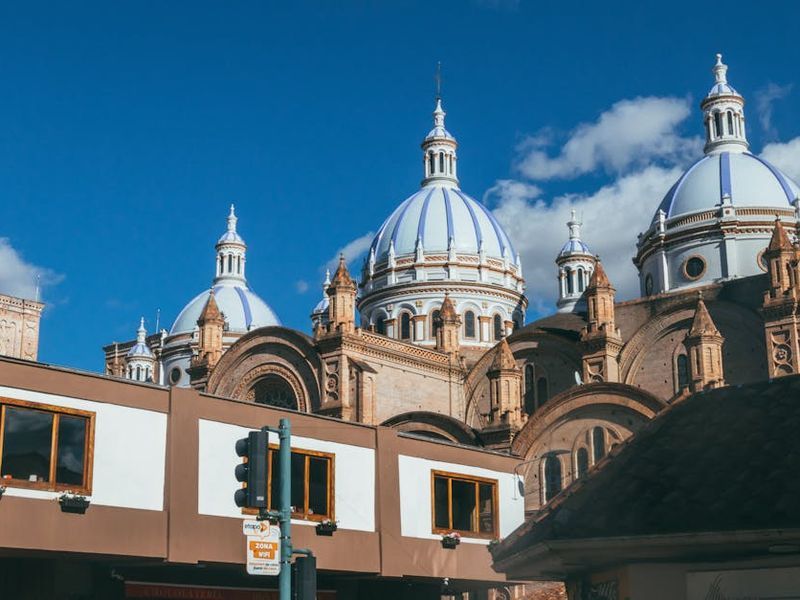
Cuenca isn’t just a UNESCO-listed colonial jewel; it’s one of Ecuador’s most exciting food cities. High-altitude valleys, nearby Andean farms, and a long tradition of home cooking combine to create a vibrant culinary scene. You’ll find everything from rustic markets selling steaming bowls of locro to inventive restaurants reimagining Andean ingredients with modern techniques.
Whether you travel to Cuenca for the architecture, the expat life, or simply to eat, this city rewards curious palates. The food culture embraces comfort classics and contemporary dining, and the size of the city makes it easy to eat widely in a short time.
Signature Dishes You Should Taste in Cuenca
Start your culinary journey by sampling regional specialties—these are dishes you’ll see on nearly every menu and in neighborhood kitchens.
- Hornado: Slow-roasted, marinated pork usually served with mote (hominy), pickled onions, and fried plantains. A weekend brunch favorite.
- Fritada: Crispy, seasoned pieces of pork served with corn, potatoes, and llapingachos (potato patties).
- Llapingachos: Cheese-stuffed potato pancakes often accompanied by a peanut sauce, chorizo, or avocado.
- Cuy: Roasted guinea pig—a traditional Andean dish. Try it at specialty restaurants if you’re adventurous.
- Locro de papa: Creamy potato and cheese soup, perfect for Cuenca’s cool evenings.
- Ceviche and encebollado: Coastal influences show up in citrusy ceviches and hearty fish soups—great for lunch.
- Helado de paila: Hand-churned ice cream made in a chilled metal pan; classic Ecuadorian dessert flavors abound.
Neighborhoods & Where to Eat: A Practical Map
Cuenca’s best food experiences are clustered in walkable neighborhoods. Here’s how to explore them by foot or a short taxi ride.
Centro Histórico (Parque Calderón and surroundings)
The heart of the city is overflowing with cafés, family-run restaurants, and bakeries that have served locals for generations. Streets radiating from Parque Calderón host high-traffic eateries—ideal for people-watching and a quick taste of local favorites like llapingachos or hornado. Try sidewalk cafés for coffee and pastries, and duck into a small comedor (informal eatery) for homestyle soups.
Calle Larga and Calle Larga Neighbors
Calle Larga has a bohemian vibe, lined with independent cafes, tapas bars, and a handful of inventive restaurants. It’s a good zone for brunch, specialty coffee, and international flavors. Look for weekday lunch menus and chef-driven spots experimenting with Andean produce.
El Vergel and Yanuncay (Riverside Dining)
Along the Tomebamba and Yanuncay rivers you’ll find newer, more upscale options—think stylish bistros and restaurants with river views. These places are popular for dinner and often feature tasting menus, local wines, and creative cocktails. If you want a nicer sit-down night, this is the area to explore.
San Sebastián and Neighborhood Eateries
San Sebastián offers a blend of neighborhood dining and traditional kitchens. It’s a great place to find busy weekend markets and small bakeries that make regional sweets and breads.
Markets, Street Food, and Where to Find the Real Cuenca Flavors
Markets are the city’s beating heart: the best place to taste authentic dishes and observe food culture. Head to the central market area and smaller neighborhood markets early in the morning for fresh produce, soups, and one-dish lunches.
Street food staples include empanadas (both savory and sweet), caldo de gallina (chicken soup), and fast versions of hornado or fritada. Many market stalls offer a complete meal for the price of a coffee at a tourist restaurant—expect to pay roughly $2–5 for a hearty market lunch.
Tips for Market Dining
- Go early: Markets are freshest and busiest between 7–10am for breakfast and 12–2pm for lunch.
- Bring small bills: Vendors often prefer cash and may not accept cards.
- Look for crowds: A busy stall usually means good food and a quick turnover of ingredients.
- Ask what’s popular: Pointing and asking the name of the dish (or replicating what others have ordered) will get you a real local experience.
Coffee, Pastries, and Sweets: Cuenca’s Café Culture
Coffee in Cuenca goes beyond instant cups. Specialty coffee shops and small roasters have multiplied in recent years, often tucked into restored colonial buildings near the rivers. Expect single-origin Ecuadorian beans prepared by baristas who understand espresso and pour-over methods.
For dessert, hunt down helado de paila stalls near parks and plazas or sample local dairy-based sweets like tres leches and quesillo. Bakeries offer flaky breads and savory empanadas that make excellent mid-afternoon snacks.
Bars, Craft Beer, and Wine Nights
The nightlife scene includes intimate wine bars, craft beer pubs, and cocktail lounges. Local microbreweries are emerging, often offering pale ales, stouts, and fruit-infused brews using regional produce. Wine lists lean toward Chilean and Argentine wines, but more restaurants are pairing Andean ingredients with boutique Latin American producers.
Look for happy hour specials in Calle Larga and riverside neighborhoods, and check event listings for Friday chef pop-ups and tasting nights.
Vegetarian, Vegan, and Dietary-Friendly Eating
While traditional Cuencano cuisine is meat-forward, the city has adapted to varied diets. Vegetarian and vegan restaurants appear alongside mainstream cafés, and many menus feature hearty plant-based soups, quinoa salads, and creative uses of native vegetables like oca and mote.
When dining in traditional eateries, a few Spanish phrases help: “sin carne” (without meat), “sin lácteos” (no dairy), and “vegetariano/vegano”. Most chefs are happy to modify dishes if you explain your needs.
Practical Tips: Budgeting, Tipping, and Reservations
Knowing practicalities makes eating out smoother and more enjoyable. Here’s a quick rundown of what to expect so you can plan meals and costs.
- Price ranges: Mercado meals $2–6; casual restaurants $6–15; mid-range dining $15–30; upscale tasting menus $35–60+ per person (depending on wine).
- Tipping: Many restaurants add a 10% service charge on the bill. If service isn’t included, a 10–15% tip is appreciated but not mandatory.
- Cash vs. cards: Credit cards are widely accepted in sit-down restaurants. Always carry some cash for markets, street food, and smaller neighborhood eateries.
- Reservations: For popular restaurants—especially on weekends—book ahead. Small, chef-driven spots often have limited seating.
- Opening hours: Lunch typically starts at 12pm; dinner begins around 6pm. Many upscale places open later and stay busy into the evening.
- Transport: Centro Histórico is highly walkable; short taxi rides or rideshares are inexpensive for farther neighborhoods.
A One-Day Foodie Itinerary for Cuenca
If you only have one day to eat your way through Cuenca, this plan balances markets, cafés, and a memorable dinner.
- Morning: Start at a neighborhood café for a pour-over coffee and a pastry. Walk to a nearby market to try locro de papa or caldo for breakfast and sample freshly made empanadas.
- Late morning: Stroll along the Tomebamba River and stop at a helado de paila stand for a small, hand-churned ice cream.
- Lunch: Choose a bustling comedor for hornado or fritada with mote and llapingachos—authentic and filling.
- Afternoon: Visit a specialty coffee shop or bakery in Calle Larga, and consider a short food walking tour to meet local producers and chefs.
- Dinner: Book a table in El Vergel or a riverside bistro for a contemporary tasting menu that highlights local ingredients—end the night with a glass of Ecuadorian-grown coffee liqueur or a craft beer.
Beyond the City: Day Trips for Foodies
Cuenca is a gateway to rural markets, family farms, and artisanal producers. Consider day trips to nearby highland villages where you can:
- Visit a dairy farm to see cheese and butter production.
- Attend a small chocolate workshop showcasing Ecuadorian cacao varieties.
- Book a farm-to-table lunch with a local family to learn traditional cooking techniques like roasting potatoes or preparing corn-based dishes.
Sustainable and Seasonal Eating in Cuenca
Many chefs in Cuenca are committed to sourcing locally and seasonally. You’ll notice menus that rotate with market availability and restaurants that highlight heirloom Andean crops—quinoa, oca, amaranth, and native potatoes. Ask your server which dishes are made with nearby farm ingredients if you want a low-carbon, authentic meal.
How to Discover New Spots: Tips for the Adventurous Eater
Beyond guidebooks, here are tactics to find the best, often overlooked places:
- Follow local food blogs and social media accounts run by Cuencanos—many share daily specials and pop-up events.
- Talk to vendors at markets; they often recommend the best comedor around the corner.
- Look for chef collaborations and Saturday food markets where small producers and restaurants showcase experimental dishes.
- Take a cooking class to learn the techniques behind dishes like llapingachos or artisanal ice cream—plus you eat what you make.
Final Advice for Food Lovers Visiting Cuenca
Keep your appetite flexible. Cuenca rewards slow, curious eating. Mix a few well-reviewed restaurants with market meals and street snacks to get a full picture of the city’s food identity. Try a traditional dish at least once—cuy or hornado might be unfamiliar, but they’re important cultural experiences. At the same time, explore contemporary chefs who are elevating Andean ingredients to new heights.
Finally, be open to serendipity: some of the best bites come from a small stall, an unmarked comedor, or a chef’s tasting menu discovered by asking a local. Bring cash, an adventurous palate, and comfortable shoes—Cuenca’s best food is often just a short walk away.
Buen provecho and enjoy eating your way through one of Ecuador’s most delightful food cities.