
Table of Contents
Why Cuenca Should Be on Every Food Lover’s Map
Perched in the Andean highlands at about 2,560 meters (8,400 feet), Cuenca is often praised for its colonial architecture and relaxed expat scene — but its culinary landscape is quietly exceptional. The city mixes traditional Andean flavors with Pacific coast seafood, indigenous cooking techniques, and a growing crop of creative chefs. Whether you want hearty home-style plates, elevated farm-to-table menus, vibrant street food, or excellent coffee, Cuenca serves it with authenticity and heart.
Local Dishes You Can’t Miss
Start by learning a few classic Ecuadorian dishes common in Cuenca. Sampling these will help you navigate menus and street stalls like a pro:
- Llapingachos — potato patties often stuffed with cheese, served with chorizo, avocado and a light peanut sauce or salsa.
- Hornado — slow-roasted pork, crisp skin and tender meat, usually paired with mote (hominy), pickled onions and plantains.
- Locro de papa — a comforting potato and cheese soup, enriched with avocado and often eaten as a starter or light lunch.
- Cuy — roasted guinea pig, a traditional highland specialty best tried at a respected, hygienic spot (ask locals where they go).
- Ceviche — though coastal in origin, fresh shrimp or fish ceviche is common; Cuenca versions may use lemon-mandarin blends and popcorn or corn nuts.
- Fritada — fried pork shoulder served with mote, plantain, and salad; a typical weekend family dish.
- Helado de paila — artisanal sorbets made in a cold copper pan; a classic sweet treat you can find at markets and plazas.
Where to Eat: Neighborhood-by-Neighborhood Guide
Cuenca’s food scene is spread across several neighborhoods, each with a distinct culinary vibe:
Centro Histórico and Parque Calderón
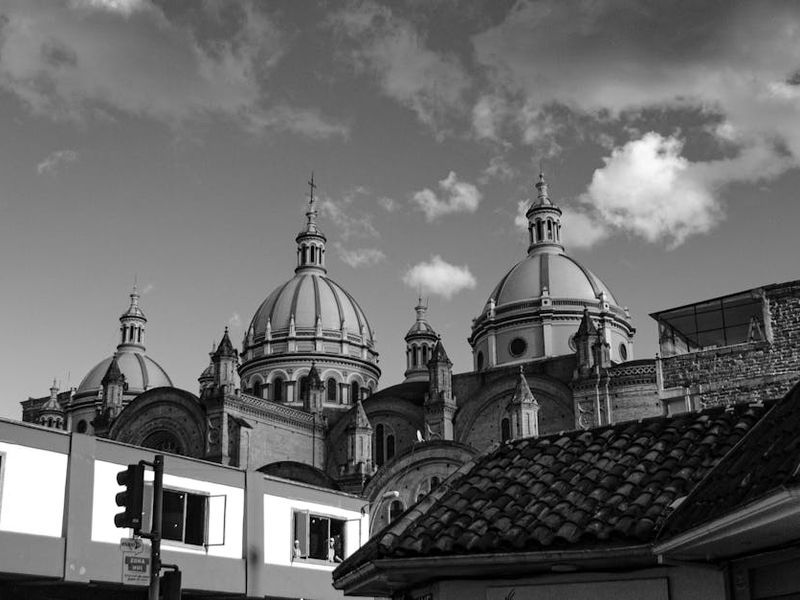
The city center is where tradition meets tourism. Around Parque Calderón and the cathedral you’ll find family-run fondas serving hearty lunches and bakeries selling fresh bread. Evenings bring restaurants that balance local classics with international plates. Walk a few blocks off the square to find hidden patios and rooftop cafes with views of the red-domed cathedral.
Calle Larga and the Tomebamba Riverfront
Calle Larga is Cuenca’s lively pedestrian artery, lined with shops, cafés and mid-range restaurants. Head down to the Tomebamba riverfront for scenic dining terraces and gelato stands. This area is ideal for coffee crawls, light lunches and bakeries specializing in Ecuadorian pastries.
Turi and Miradores
Turi, on the eastern ridge above the city, offers restaurants with panoramic views. These places are great for a leisurely dinner at sunset; expect slightly higher prices but unforgettable vistas over the tiled roofs of Cuenca.
University and El Centro (San Sebastián direction)
Near Universidad de Cuenca you’ll find casual eateries, international options, and budget-friendly spots that cater to students. Vegetarian and vegan restaurants often cluster here as well, offering creative plant-based takes on Ecuadorian fare.
Markets and Street Food: Where the Real Flavor Lives
One of the fastest ways to get to grips with Cuenca’s food culture is a market visit. The Mercado 10 de Agosto is an authentic, bustling market where you can try freshly prepared soups, empanadas, and helados de paila. Mornings are prime time: vendors are energetic, ingredients are fresh, and you’ll see traditional breakfasts and lunch prep in full swing.
Street food favorites to try at the market or in stalls near plazas include empanadas (both meat and cheese), tamales, and loca bites like chifles (plantain chips). Don’t be afraid to ask the vendor what’s popular — pointing at a steaming bowl of locro or a crispy fritada is often your best ordering tactic.
Vegetarian, Vegan and Allergy-Friendly Options
Cuenca is surprisingly friendly to non-meat diets. Many restaurants offer vegetarian versions of local dishes (for example, swapping meat for mushrooms in a llapingacho plate). Look for vegetarian cafes near Calle Larga and the university where menus often include quinoa bowls, roasted veggie plates, and vegan desserts. If you have allergies, carry a translated card explaining your restriction in Spanish — it makes communication easier with cooks who may not speak English.
From Market to Table: Freshness and Sourcing
Cuenca has a strong farm-to-table movement. Many chef-run restaurants source vegetables and dairy from nearby highland farms and specialty coffee from southern provinces like Loja. When you see a menu that lists a farm or grower, it’s often a sign the kitchen pays attention to quality. Look for seasonal menus in restaurants — Ecuador’s varied ecosystems mean ingredients can be spectacular and fleeting.
Budget vs. Splurge: How Much Will You Spend?
Because Ecuador uses the U.S. dollar, it’s easy to estimate costs. Expect the following rough ranges:
- Street food or market meals: $1.50–$4
- Casual sit-down lunch (menu del día / almuerzo): $3–$8
- Mid-range dinner for two at a nice restaurant: $30–$60
- High-end tasting menus or chef-driven experiences: $45–$80+ per person
Tipping is polite but not mandatory; leaving around 10% for good service is common. Carry small notes for markets and tip jars — many vendors prefer cash.
Practical Tips for Dining in Cuenca
- Meal times: Lunch is the main meal — many local restaurants offer a menu del día (set lunch) from about 12:00 to 15:00. Dinner typically picks up after 7:00 PM.
- Reservations: For popular restaurants and special evenings, reserve in advance — especially on weekends and at places with limited seating or rooftop terraces.
- Cash and cards: Major restaurants accept cards, but small markets and street vendors are cash-only. ATMs are plentiful near the center, but carry small bills for easy transactions.
- Altitude considerations: Cuenca sits high; if you’re arriving from sea level, take it easy the first day. Avoid heavy alcoholic indulgence on your first evening if you’re sensitive to altitude.
- Language: Basic Spanish helps. Phrases like “sin cebolla” (without onion) or “soy alérgico a…” (I’m allergic to…) are useful. Most servers speak at least conversational English in tourist areas.
Sample 3-Day Food Itinerary
Plan your eating like a local with this sample route that balances markets, casual eats, and a splurge night.
Day 1 — Classic Cuenca
Morning: Start at the central market with a bowl of locro de papa and a cup of locally roasted coffee. Try helado de paila for dessert on your way to the cathedral.
Lunch: Choose a small family-run fonda near Parque Calderón for hornado or fritada and a plate of mote.
Evening: Stroll along the Tomebamba river, then enjoy a relaxed dinner on a terrace with a view of the bridges and red tile roofs.
Day 2 — Neighborhood Explorations
Morning: Walk Calle Larga for cafés and bakeries. Sample dulce de leche pastries and a pour-over brewed from beans grown in southern Ecuador.
Lunch: Head toward the university neighborhood for vegetarian-friendly bowls or a casual burger made with local cheese.
Evening: Dinner in Turi at a restaurant overlooking the city; arrive for sunset and order something slow-roasted or grilled.
Day 3 — Market Finds and a Taste of Fine Dining
Morning: Spend time at Mercado 10 de Agosto tasting small bites: empanadas, tamales, and fresh fruit juices.
Lunch: Try a seafood ceviche at a spot that specializes in coastal flavors; ask for a lighter citrus marinade if you prefer.
Evening: Book a chef-driven experience or tasting menu for a modern take on Ecuadorian ingredients — a great way to see how traditional produce is reimagined.
Food Tours and Cooking Classes
If you want deeper context, join a food tour or book a cooking class. Food tours typically combine market visits, tastings, and restaurant stops, and often include historical notes about the dishes. Cooking classes, frequently held in family kitchens or culinary schools, teach techniques for making locro, llapingachos or traditional desserts. These experiences are especially valuable if you plan to recreate Ecuadorian comfort food at home.
Nightlife, Sweets and Late-Night Bites
Cuenca has a modest nightlife scene focused on cozy bars, live music joints, and coffee houses that stay open late. For dessert lovers, try traditional sweets like quesadillas (flat cheese treats) and the local interpretation of flan or tres leches. If you’re out late, look for churrerías and bakeries selling fresh bread and pastries into the evening.
Safety, Sanitation and Eating with Confidence
Food safety in Cuenca is generally good, particularly in established restaurants and popular market stalls. Use common-sense precautions: drink bottled or filtered water if you’re unsure, eat cooked foods if you have a sensitive stomach, and stick to busy stalls with high turnover for street food (an indicator of freshness). If you have a sensitive digestive system, a gradual approach to local dairy and unfamiliar meats is wise.
Final Thoughts: Eat Curiously and Respectfully
Cuenca rewards diners who are curious and open-minded. Ask locals for recommendations — taxi drivers, shopkeepers and market vendors often point you to the best places for a particular dish. Remember that many beloved recipes are family heirlooms; approaching them with respect and an appetite for learning will make your culinary journey in Cuenca both delicious and memorable.
Whether you’re nibbling helado de paila near a plaza, sharing a hornado plate in a family fonda, or savoring a contemporary tasting menu that showcases Ecuadorian micro-greens and Andean potatoes, Cuenca serves a rich, layered cuisine worth slow exploration.