
Table of Contents
Why your neighborhood choice matters in Cuenca
Cuenca, Ecuador’s cultural capital, is compact, walkable and full of personality—but the experience of living here can change dramatically from one block to the next. Your neighborhood determines commute times, grocery and health-care access, evening noise levels, and how quickly you’ll meet neighbors and make friends. For expats, priorities often include safety, access to international schools or clinics, proximity to the historic center, and an expat-friendly social scene. This guide breaks down the city’s most popular areas for foreigners and offers practical advice for choosing the right place.
Quick orientation: what to expect from Cuenca
Cuenca sits at about 2,560 meters (8,400 ft) in the southern Andes, giving it a near-constant spring-like climate—cool mornings and evenings, mild afternoons, and a rainy season from roughly October through May. The city is centered on the Parque Calderón in the Centro Histórico, with rivers (Tomebamba and Yanuncay) threading neighborhoods and creating naturally walkable corridors. Public buses and inexpensive taxis cover the urban area; most expats do just fine without a car, though having one expands housing options.
How to pick a neighborhood: questions to ask
- What’s your daily routine? Proximity to work, English-speaking clinics, schools or markets matters.
- Do you want nightlife within walking distance or a quieter residential street?
- Is walkability and historic architecture important, or do you prefer modern apartments with parking and elevators?
- What’s your budget? Prime central locations cost more; move a little farther out and rents drop substantially.
- How much Spanish do you speak? Neighborhoods with larger expat populations provide more opportunities to connect in English.
Neighborhood breakdown: where expats commonly live
Below are distinct parts of Cuenca with their character, pros and cons, and practical tips.
Centro Histórico (Historic Center)
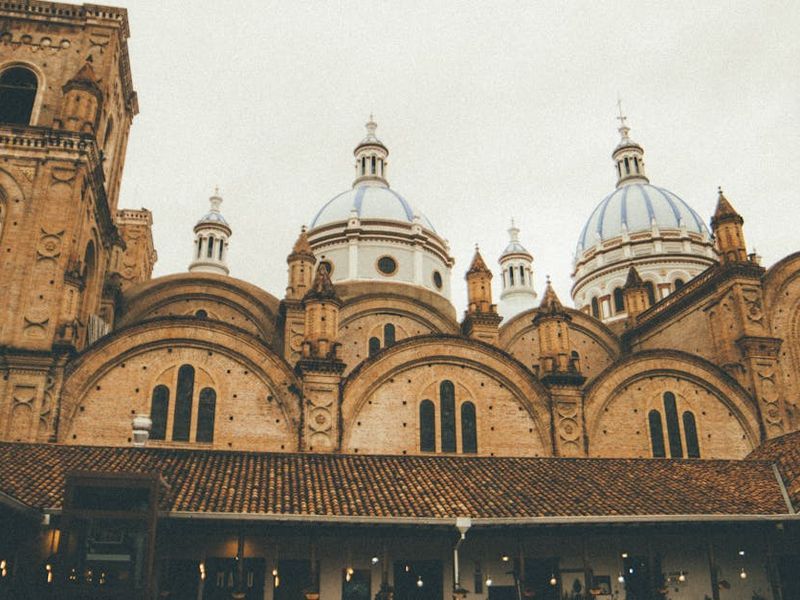
The Centro Histórico is the postcard Cuenca—colonial churches, narrow cobblestone streets, plazas and plenty of cafes. If you want to be in the heart of cultural activity, close to museums, restaurants, artisan markets and Parque Calderón, this is the place.
- Pros: Extremely walkable, lots of cultural life, easy access to cafés, pharmacies and public transport; splendid architecture.
- Cons: Noise (especially around plazas), limited parking, older buildings with stairs, higher rent for well-maintained apartments.
- Tip: Consider higher-floor apartments for better light and less street noise; check for reliable hot water and good insulation against damp.
San Sebastián
Just a short walk from the Centro, San Sebastián is favored by budget-conscious expats and creatives. It retains colonial charm but tends to be quieter at night than the very center. The neighborhood supports artisans, small shops and bakeries, and it’s often a good compromise between affordability and proximity to the action.
- Pros: Lower rents than the Centro, close to cultural attractions, good for those who want community feel with easy access to the historic core.
- Cons: Streets can be narrow and hilly; some areas have older infrastructure.
- Tip: Walk the neighborhood at different times of day to assess noise and safety; meet local shopkeepers to learn about building owners and landlords.
Miraflores and Bellavista (Uptown & Modern)
Miraflores and Bellavista are more modern, residential neighborhoods with wide avenues, green spaces and newer apartment buildings. They attract families and expats who want modern conveniences: supermarkets, gyms, shopping centers and parking. Miraflores is slightly closer to the center than Bellavista in many parts.
- Pros: Newer construction, gated complexes, parking, supermarkets and international restaurants; quieter at night.
- Cons: Fewer colonial streets and smaller cafés; some areas feel car-dependent.
- Tip: If you need an international school or prefer a multi-level apartment with amenities, target Miraflores/Bellavista complexes; look for buildings with reliable elevators and good water pressure.
Ponceano and residential eastside neighborhoods
The Ponceano area and eastside residential neighborhoods offer a suburban feel with a mix of older homes and apartment towers. These districts are popular with families and retirees who want more space and quieter streets without being too far from medical centers and shopping.
- Pros: Larger apartments and houses, often with gardens; quieter; close to hospitals and schools located on the east side of the city.
- Cons: Longer taxi or bus rides to the Centro; fewer tourist-oriented services.
- Tip: If you prioritize air quality and outdoor space, explore listings for houses with small yards; confirm property fencing and security arrangements.
Riverside living: neighborhoods along the Tomebamba and Yanuncay
Living near the rivers gives you leafy promenades and pleasant walks. Areas adjacent to the Tomebamba often combine proximity to the Centro with a quieter, greener environment. Riverfront buildings can be charming, but watch for humidity.
- Pros: Scenic walks, quieter streets while still close to the city core, good microclimate.
- Cons: Potential for dampness and higher humidity; older riverside buildings may need upkeep.
- Tip: Ask about mold history and ventilation when touring riverside apartments. Orient to avoid damp basements.
Cost expectations and where you get the most value
Rents in Cuenca vary by neighborhood and amenities. As a rough guide, modest one-bedroom apartments can be found for several hundred dollars per month, while larger furnished apartments in desirable areas run higher. Expect to pay more for newer buildings with utilities included, parking, backup generators and secure entry systems.
Utilities are generally affordable compared to North American standards, but heating isn’t common—most people rely on layers and electric heaters in the coolest months. High-speed internet is available across the city; when viewing an apartment, test the connection and ask which provider serves the building.
Safety and health-care access by neighborhood
Cuenca is considered one of Ecuador’s safer cities and many neighborhoods are safe for day and night walking. That said, common-sense precautions apply: avoid poorly lit side streets at night, secure ground-floor windows, and vet any building’s security situation. Areas near major hospitals and clinics—often the eastside and parts of Miraflores—provide quick access to health services. The city has both public hospitals and private clinics; if you have a specific medical provider in mind, choose a neighborhood with an easy route to that facility.
Transportation and commute realities
Cuenca’s bus system is cheap and covers the city; buses can get crowded during peak hours. Taxis are inexpensive and plentiful—make sure drivers use the meter or agree on a fare before starting. Many expats find biking pleasant along river promenades, though hills and traffic can be an issue in places. If you rely on taxis frequently, living slightly farther from the Centro but near a main avenue can keep fares low while giving you more living space.
Practical moving and leasing tips for expats
- Short-term first: Rent a short-term apartment or Airbnb for 1–3 months to explore neighborhoods in person before signing a longer lease.
- Inspect utilities: Check hot water, water pressure, internet speed and backup power options during your viewing. Ask neighbors about outage frequency.
- Negotiate: Landlords expect some negotiation. If a place needs cosmetic upgrades, ask for a rent reduction or for repairs before signing.
- Understand contracts: Read lease terms carefully about early termination, deposits and included services. Get anything promised in writing.
- Cash and local bank transfer: Many landlords prefer cash or local transfers. If you’ll be paying in USD (Ecuador’s currency), make sure receipts are provided.
- Meet the neighbors: Building managers or concierge (if present) are excellent sources of neighborhood intel—noise, maintenance and security history.
Where expats socialize and build community
Expat life in Cuenca thrives in coffee shops, language exchanges, volunteer organizations and English-friendly meetup groups. Neighborhoods near the Centro and Miraflores tend to have the highest concentration of international restaurants, galleries and meeting places. Joining neighborhood Facebook groups is a fast way to find housing leads and invitations to local events.
Final checklist: match your priorities to a neighborhood
Before committing, use this quick checklist to align your priorities with a district:
- Close to cultural life and sightseeing? Choose Centro Histórico or nearby San Sebastián.
- Want modern amenities, parking and quieter streets? Miraflores or Bellavista are strong candidates.
- Need more space or a garden for kids and pets? Eastside residential neighborhoods and Ponceano often deliver.
- Prefer scenic walks and greener surroundings? Look for riverside blocks near the Tomebamba or Yanuncay.
- Budget-conscious but close to action? Consider San Sebastián or small apartments on the edges of the Centro.
Conclusion: make a plan, then explore on foot
Choosing where to live in Cuenca is a balance of lifestyle, budget and logistics. The city’s compact nature means you can trial most neighborhoods easily—rent short-term, walk at different times of day, talk to locals, and test commute routes. Whether you crave colonial charm, leafy riverside mornings or modern conveniences, Cuenca offers distinct neighborhoods where expats quickly feel at home. Take your time, ask lots of questions during viewings, and you’ll find the neighborhood that fits your life in this beautiful Andean city.
Happy house-hunting—and don’t forget to bring a warm sweater for those cool evenings!
Adam Elliot Altholtz serves as the Administrator & Patient Coordinator of the “Smilehealth Ecuador Dental Clinic“, along with his fellow Expats’ beloved ‘Dr. No Pain‘, right here in Cuenca, Ecuador, and for purposes of discussing all your Dental needs and questions, is available virtually 24/7 on all 365 days of the year, including holidays. Adam proudly responds to ALL Expat patients from at least 7:00am to 9:00pm Ecuador time, again every single day of the year (and once more even on holidays), when you write to him by email at info@smilehealthecuador.com and also by inquiry submitted on the Dental Clinic’s fully detailed website of www.smilehealthecuador.com for you to visit any time, by day or night. Plus, you can reach Adam directly by WhatsApp at +593 98 392 9606 -or by his US phone number of 1‐(941)‐227‐0114, and the Dental Clinic’s Ecuador phone number for local Expats residing in Cuenca is 07‐410‐8745. ALWAYS, you will receive your full Dental Service in English (NEVER in Spanish), per you as an Expat either living in or desiring to visit Cuenca by your Dental Vacation, plus also to enjoy all of Ecuador’s wonders that are just waiting for you to come arouse and delight your senses.