
Table of Contents
Welcome to Cuenca: A Quick Orientation
If this is your first trip to Cuenca, you’re in for a compact, walkable city steeped in colonial architecture, lively markets, and Andean rhythms. Cuenca is Ecuador’s cultural heart and a UNESCO World Heritage site; you’ll find cathedral domes against volcano-backed skies, rivers that carve gentle gorges, and neighborhoods with an artisan’s pulse. This guide gives you practical, on-the-ground advice to feel confident the moment you step into Parque Calderón.
Before You Leave Home: Plan Like a Local
Several small practical moves make your arrival and first days smoother. First, Ecuador uses the US dollar, so you won’t need to swap for local currency. Make sure your bank cards are enabled for international withdrawals and notify your bank that you’ll be traveling to Ecuador to avoid holds.
Download a map for offline use (Google Maps allows offline areas) and consider an eSIM or a local SIM from Claro or Movistar once you arrive — both offer solid coverage in Cuenca. Pack layers: Cuenca’s highland climate is changeable; mornings can be crisp, afternoons mild, and rain can arrive quickly.
Health & Safety Prep
Cuenca sits at about 2,500–2,600 meters (8,200–8,500 feet). If you’re coming from sea level, the first 24–48 hours may bring mild altitude effects: shortness of breath, headaches or mild fatigue. Take it easy the first day, hydrate, and avoid heavy exercise. Bring any prescription medications in original containers and a small first-aid kit. Travel insurance that covers medical evacuation is a wise choice for high-altitude travelers.
Arriving in Cuenca: Airport, Taxis, and First Steps
Most international visitors arrive in Quito or Guayaquil and take a domestic flight to Cuenca’s airport (CUE). Flights are short and frequent. Taxis and airport shuttles take you from the airport into the city center — ask your hotel about their recommended shuttle service. If you take a taxi, confirm the price before you get in (airport-to-center rates are generally higher than in-town fares).
Tip: Where to Stay for Your First Visit
For a first-timer, staying in or near the Historic Center (Centro Histórico) keeps you within walking distance of the main attractions: the Parque Calderón, the New Cathedral with its blue domes, cafes, and museums. If you prefer quieter, greener streets, look for lodgings along the Tomebamba River or in the San Sebastián neighborhood where small guesthouses and boutique hotels mix with lively artisan shops.
Getting Around: Walking, Buses, and Taxis
Cuenca is remarkably walkable, especially around the historic core. Put on comfortable shoes: many streets are cobblestone and can be slippery when wet. For farther flung places, city buses are inexpensive and cover most neighborhoods, while taxis are plentiful and affordable — always agree a fare in advance if the driver doesn’t use a meter.
If you plan day trips outside the city (Ingapirca ruins, El Cajas National Park, artisan villages like Chordeleg and Gualaceo), organized tours are easy to find and save you the logistics of public buses. Renting a car is possible but remember the roads in the Andes can be steep and winding; if you’re not used to mountain driving, a guided tour may be more relaxing.
Money, Cards, and Bargaining
Cash is king for small purchases: markets, street food, and some taxis prefer it. ATMs are widely available, but withdraw at well-lit banks or inside malls for security. Credit and debit cards are generally accepted in hotels, mid-to-upscale restaurants, and many shops, but always carry some cash for smaller vendors.
When shopping at markets and artisan stalls, bargaining is common but polite. Start lower than the asking price and let the vendor guide the negotiation. For fixed-price stores and restaurants, haggling is unnecessary.
Culture, Customs, and Simple Spanish to Learn
Cuencanos value courtesy and respect. A friendly “buenos días” or “buenas tardes” when entering small shops gets you a long way. A single cheek kiss (or the light touch of cheeks) is a common greeting among friends and acquaintances. Dress modestly when visiting churches and religious sites.
Useful Spanish phrases to carry on you:
- Hola, ¿cómo está? — Hello, how are you?
- ¿Cuánto cuesta? — How much does it cost?
- Una mesa para dos, por favor — A table for two, please
- ¿Dónde está el baño? — Where is the bathroom?
- Gracias / Muchas gracias — Thank you / Thanks a lot
What to Eat (and What to Try Slowly)
Ecuadorian highland cuisine is hearty and comforting. Try local favorites such as llapingachos (potato pancakes), locro de papa (creamy potato and cheese soup), hornado (slow-roasted pork), and mote (hominy). If you’re adventurous, cuy (roasted guinea pig) is a traditional specialty. Sample fresh fruit juices from local vendors — they’re delicious and an easy way to hydrate at altitude.
Cuenca has a flourishing café scene, and you’ll find excellent local coffee served in cozy spots along Calle Larga and surrounding streets. For a nice splurge, book a table with a view of the cathedral domes at sunset.
Top Experiences for First-Time Visitors
Prioritize a mix of iconic sights and slower, local experiences:
- Parque Calderón and the Cathedral Domes — Start here to orient yourself and climb a viewpoint for photos.
- Museo Pumapungo — An accessible archaeology and ethnography museum that showcases local history and ruins right in the city.
- Walk the Tomebamba Riverbanks — Charming riverside promenades with bridges, cafes, and shady benches.
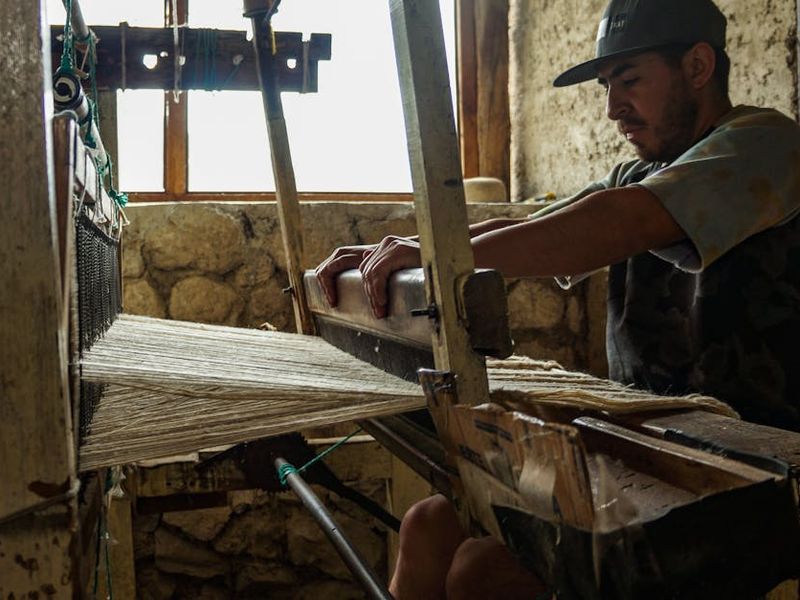
- Artisan shopping — Explore craft stalls and smaller shops for woven goods, silver jewelry, and panama-style hats; Chordeleg and Gualaceo are famous nearby artisan towns for day trips.
- Turi Hill — For a panoramic view of Cuenca’s red-tiled roofs and surrounding valleys.
- El Cajas National Park — A day trip for highland hiking, lakes, and Andean landscapes (leave early and dress warmly).
Sample 3-Day Itinerary
Day 1: Stroll Parque Calderón, visit the cathedral, explore nearby artisan shops, and finish at a café on Calle Larga.
Day 2: Morning at Museo Pumapungo and the adjacent archaeological gardens; afternoon riverbank walk, evening lively plaza dining.
Day 3: Day trip to El Cajas for hiking and lake views or a cultural excursion to Chordeleg and Gualaceo to watch artisans at work and shop for handmade jewelry.
Staying Safe: Smart, Simple Practices
Cuenca is a safe city compared to many capitals, but petty theft can happen, especially in crowded areas and on buses. Use a money belt or crossbody bag kept in front of you, avoid flashing expensive cameras or jewelry, and keep a copy of your passport scanned in your email. Use hotel safes for extra passports or large sums of cash. At night, stick to well-lit, populated streets or take a taxi from an official stand if you’re unsure.
Practical Tips: Weather, Packing, and Etiquette
Weather: Expect cool mornings (10–13°C / 50–55°F) and pleasant afternoons (18–22°C / 64–72°F) most of the year. Rain is more common during the wet season (roughly December–May). Pack a light rain jacket and layers you can add or remove through the day.
Packing highlights:
- Sturdy walking shoes (cobblestones)
- Warm layer and a waterproof shell
- Sunscreen and a hat — the sun is strong at altitude
- A reusable water bottle (tap water in many places is treated; ask locally)
- Basic Spanish phrase list and photocopies of documents
Connectivity, SIMs, and Work-from-Cuenca Info
Wi-Fi in cafes and hotels is typically good enough for most remote work tasks. If you need reliable mobile data, pick up a prepaid SIM at the airport kiosk or in the city — bring your passport. Many cafés and co-working spaces flourish in Cuenca, especially around Calle Larga and the historic core, offering comfortable spots to plug in and stay connected.
Responsible Travel: Support Local People and Places
Favor locally owned restaurants and artisan workshops over import-heavy souvenir stalls. When taking photos of people, especially in rural or indigenous communities, ask for permission and consider paying a small fee if a portrait requires significant staging. Respect signage in churches and museums, and avoid single-use plastics where possible.
Final Tips to Make Your Trip Easier
1) Take it slow: give yourself a day to acclimatize; hurried sightseeing at altitude can feel exhausting. 2) Keep a flexible plan: spontaneity leads to the best local discoveries — a street-side empanada here, a recommended gallery there. 3) Learn a few Spanish phrases: locals appreciate the effort and it opens more doors than checking your guidebook ever will.
Cuenca rewards curiosity and a calm pace. Walk the riverside at dawn when the city is quiet, linger over coffee, and let the cobblestones and cathedral spires set the tempo. With these practical tips, you’ll be prepared — and free to enjoy one of Ecuador’s most charming cities.
Adam Elliot Altholtz serves as the Administrator & Patient Coordinator of the “Smilehealth Ecuador Dental Clinic“, along with his fellow Expats’ beloved ‘Dr. No Pain‘, right here in Cuenca, Ecuador, and for purposes of discussing all your Dental needs and questions, is available virtually 24/7 on all 365 days of the year, including holidays. Adam proudly responds to ALL Expat patients from at least 7:00am to 9:00pm Ecuador time, again every single day of the year (and once more even on holidays), when you write to him by email at info@smilehealthecuador.com and also by inquiry submitted on the Dental Clinic’s fully detailed website of www.smilehealthecuador.com for you to visit any time, by day or night. Plus, you can reach Adam directly by WhatsApp at +593 98 392 9606 -or by his US phone number of 1‐(941)‐227‐0114, and the Dental Clinic’s Ecuador phone number for local Expats residing in Cuenca is 07‐410‐8745. ALWAYS, you will receive your full Dental Service in English (NEVER in Spanish), per you as an Expat either living in or desiring to visit Cuenca by your Dental Vacation, plus also to enjoy all of Ecuador’s wonders that are just waiting for you to come arouse and delight your senses.