
Table of Contents
Why Cuenca Leads the World in Dental Tourism
If you’re deciding where to get dental implants, crowns or veneers, Cuenca, Ecuador deserves your attention. This charming Andean city blends dramatic cost savings (typically 60–70% less than the U.S. and Canada) with highly trained dentists, modern technology and an idyllic recovery environment. A growing number of international patients are choosing Cuenca not only for the price, but for the value: top-quality treatment, personalized one-on-one care and the opportunity to turn necessary dentistry into a restorative vacation.
Cost Comparison: Big Savings Without Big Compromises
One of the most compelling reasons people choose Cuenca is cost. In the United States and Canada, a single dental implant (including implant, abutment and crown) can range from roughly $3,000 to $6,000 or more. In Cuenca, equivalent treatment commonly falls between $900 and $1,800 per implant — a 60–70% savings in many cases. Full-arch solutions like All-on-4 or All-on-6 that can cost $20,000–$40,000 in North America are frequently available in Cuenca for $7,000–$15,000, depending on materials and technique.
Restorations follow the same pattern. Porcelain crowns that often exceed $1,000 in the U.S. are typically $250–$500 in Cuenca. Veneers that might cost $900–$2,500 per tooth at home are frequently $300–$600 here. Those figures don’t just reflect lower prices — they reflect overall affordability: consultations, diagnostic imaging, local anesthesia and aftercare are commonly bundled into clear, itemized quotes so you know what to expect.
Quality & Training: World-Class Dentists You Can Trust
Cost savings don’t mean compromising skill. Many Cuenca dentists graduated from prestigious Ecuadorian universities and have pursued advanced training abroad in the U.S., Europe or other international programs. Clinics often employ specialists — prosthodontists, implantologists, periodontists and endodontists — and many doctors maintain active continuing education and memberships in international professional organizations. That combination of solid basic training and ongoing specialization translates into predictable, excellent outcomes.
Equally important, respected implant brands and high-quality materials are widely used in Cuenca. Clinics routinely work with internationally recognized implant systems and employ modern lab techniques for precise, durable restorations.
State-of-the-Art Clinics and Digital Dentistry
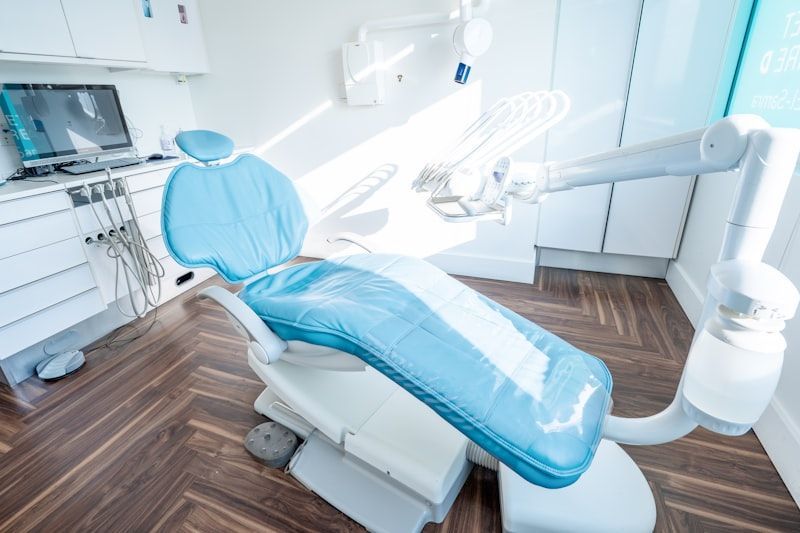
Cuenca’s leading dental offices are not back-alley operations. They’re modern clinics with instrument sterilization protocols, digital X-rays, CBCT (3D cone beam) imaging, intraoral scanners and CAD/CAM milling technology. That means accurate diagnoses, better surgical planning, and the possibility of same-day or accelerated workflows — for example, digital impressions for crowns and some immediate-load implant protocols.
Whether your treatment requires a surgical suite for implant placement or a lab for aesthetic veneers, you’ll find clinics equipped with the tools to deliver contemporary, efficient care.
Short Wait Times and Personalized Care
In many parts of North America, specialist appointments and complex treatments can involve long wait lists. In Cuenca, international patients often enjoy much faster access. Many clinics prioritize patients coming for international treatment, scheduling consultation, imaging and surgery within days to weeks instead of months.
Another major advantage is the model of care. Clinics that specialize in dental tourism are set up to provide one-on-one attention: English-speaking coordinators, clear treatment plans, personalized follow-up schedules and staff who guide you through logistics like accommodation and transport. That personalized model reduces stress and creates a smoother patient journey from the first virtual consultation to long-term aftercare.
Turn Dental Work into a Healing Vacation
Cuenca’s UNESCO-listed historic center, riverside promenades and mountain scenery make it uniquely suited to dental recovery. The city’s mild, spring-like climate and clean air are conducive to restful healing after surgery. You can book a quiet Airbnb or a comfortable hotel near Parque Calderón and spend recovery days strolling the Calle Larga, visiting local cafes, and enjoying gentle activities like birdwatching or light hikes in the nearby Cajas National Park.
For many patients, the ability to combine dentistry with leisure is transformative. Long, stressful trips to an operating room back home become a manageable, even enjoyable, experience when you can recover in a scenic colonial city with world-class cuisine, cultural sites and natural escapes a short drive away.
Typical Treatment Timelines: What to Expect
Understanding timelines helps you plan a dental vacation effectively. Here are typical scenarios you’ll find in Cuenca:
- Single implant: Consultation and 3D imaging usually on day 1; implant placement the same or a few days later; temporary crown or healing cap; final crown after 3–4 months of healing.
- Multiple implants or All-on-4: Comprehensive planning and imaging first; surgical placement with possible immediate loading (temporary fixed arch) in select cases; final prosthesis 3–6 months later.
- Crowns and veneers: Often completed in 1–2 visits over 7–10 days if digital workflows are used; lab-based cases may require a longer turnaround.
Many clinics offer staged plans for international patients: initial visit for surgical work and a second short visit for final restorations, minimizing time away from home while still ensuring high-quality outcomes.
Practical Tips for Dental Tourists in Cuenca
Planning makes a dental vacation smoother and safer. Here are practical tips to maximize value and minimize risk:
- Start with a virtual consultation: Most reputable clinics offer video calls and can review X-rays or CBCT scans before you travel.
- Ask for itemized written quotes: Ensure implant brand, materials and warranties are spelled out.
- Verify sterility and credentials: Ask about sterilization protocols, dentist qualifications and continuing education credits.
- Check reviews and before/after photos: Look for recent patient photos and testimonials on Google, Facebook and independent forums.
- Plan recovery time: Allow 7–14 days for minor procedures and 3–4 months for implant osseointegration if a final prosthesis isn’t immediate.
- Arrange accommodation near the clinic: Staying close to your dentist reduces stress and travel after procedures.
- Bring records and medications: Bring recent dental records, lists of medications and your home dentist’s contact information for continuity of care.
- Buy travel insurance and check prescription rules: Consider travel medical coverage that includes dental complications, and verify prescriptions for pain medication or antibiotics.
Travel Logistics & Local Practicalities
Cuenca is easy to reach with connections through Quito or Guayaquil; there are also regional flights into Mariscal La Mar Airport (CUE). Visitors from the U.S. and Canada typically enjoy visa-free entry for stays up to about 90 days, though you should check current immigration rules before booking.
Cuenca is compact and walkable. Taxis and rideshare options are inexpensive, and many clinics provide airport transfers or can arrange a driver. English is widely spoken in clinics that serve tourists, and many staff function as patient liaisons to navigate language and logistics.
Safety, Warranties and Long-Term Care
Reputable Cuenca clinics back their work with clear follow-up policies and warranties on implants and restorations. Ask for written warranties and a clear plan for emergencies or complications. Many dentists in Cuenca coordinate with patients’ hometown dentists for long-term maintenance, and some clinics even offer follow-up options for international patients.
Safety is a priority. Look for clinics with up-to-date infection-control protocols, modern sterilization equipment and transparent hygiene policies. Your virtual consultation is a good time to ask about these protocols and any COVID-19 era procedures still in place.
Real Value: More Than Just a Lower Price
What makes Cuenca exceptional for dental tourism isn’t just the sticker price. It’s the convergence of affordability, quality and experience. You get highly trained professionals using modern technology, personalized attention that’s often hard to find in busy North American offices, and a recovery backdrop that improves comfort and well-being. When you factor in shorter wait times, bundled services, and the ability to pair treatment with a restorative vacation, the overall value becomes compelling.
For many patients, the savings allow them to choose higher-end materials or additional cosmetic work that would be cost-prohibitive at home. Others appreciate the continuity of care: clearly documented treatment plans, clear before/after photos, and a clinic that provides support through the entire process.
What to Look for When Choosing a Clinic in Cuenca
To ensure a great outcome, prioritize clinics that offer:
- Comprehensive virtual consultations and transparent quotes
- Digital diagnostics (CBCT, intraoral scanning)
- Experienced specialists and documented training
- Use of reputable implant systems and lab partners
- Clear sterilization protocols and international patient services
- Aftercare plans, warranties and coordination with hometown dentists
Conclusion: Cuenca Offers an Unmatched Dental Tourism Experience
If you’re exploring dental implants, crowns or veneers and want the best combination of price, skill and patient experience, Cuenca, Ecuador is hard to beat. With 60–70% cost savings compared to U.S. and Canadian prices, modern clinics that use cutting-edge technology, specialists trained both locally and abroad, and an unbeatable recovery environment, Cuenca turns dental care into a smart, restorative journey. Whether you want a single implant or a full-mouth restoration, the city’s clinics are structured to deliver predictable clinical outcomes and a memorable healing vacation.
Start with a virtual consult, get a clear, itemized plan, and consider combining your treatment with a few days of gentle sightseeing. You’ll leave with a healthier smile — and probably a few new favorite spots in one of South America’s most beautiful colonial cities.