
Table of Contents
Why Cuenca Tops the List for Dental Tourism
If you want top-quality dental crowns, implants, or veneers without the crushing price tag, Cuenca, Ecuador deserves a close look. Over the past decade thousands of North Americans have discovered Cuenca’s winning combination: 60–70% lower prices than the U.S. and Canada, highly trained dentists, clinics equipped with modern technology, and a charming, restorative city to recover in. Put simply, Cuenca blends world-class dentistry with an unbeatable dental vacation experience.
Massive Savings Without Sacrificing Quality
Cost is the single biggest reason people travel for dental care, and Cuenca delivers. A crown that costs $1,000–$1,400 in the U.S. often runs $300–$500 in Cuenca; dental implants that commonly cost $3,000–$5,000 in North America are frequently priced at $800–$1,500 in Cuenca. That’s a typical savings of 60–70% — enough to cover airfare, a comfortable hotel, and a short vacation while still coming out far ahead financially.
Those savings don’t come from cutting corners. Instead they come from lower overhead, an efficient local dental lab network, and Ecuador’s lower operating costs, allowing clinics to offer equitable pricing while maintaining high standards.
World-Class Dentists Trained for Global Care
Cuenca dentists often graduate from top dental schools and pursue advanced training in implantology, prosthodontics, and cosmetic dentistry. Many regularly attend international conferences and continuing education courses in the U.S., Europe, and other Latin American hubs. This continuous professional development means you’ll be treated by clinicians who understand contemporary techniques and follow international protocols.
In addition, dentists in Cuenca often work one-on-one with patients in smaller clinic settings, which produces a level of personalized attention sometimes hard to find in busier metropolitan practices in North America.
Modern Clinics and Cutting-Edge Technology
Don’t let the colonial architecture fool you: modern dental clinics in Cuenca are outfitted with the same technology you’d expect at home. Many clinics use digital X-rays, cone-beam CT (CBCT) scanners for accurate implant planning, intraoral scanners, CAD/CAM milling for same-week crowns, and high-quality materials such as zirconia and porcelain layered ceramics.
Sterilization protocols and infection control are taken seriously. Clinics follow international best practices, maintain digital records, and partner with trusted dental labs that deliver precise, durable restorations.
The Ideal Recovery Environment: Mild Climate and Low Stress
Cuenca’s climate is one of its best-kept secrets for dental tourists. At roughly 2,500–2,560 meters (about 8,300 feet) above sea level, the city enjoys a steady, spring-like climate year-round — cool, dry days and mild evenings. That predictable weather is perfect for post-procedure recovery: comfortable hotel rooms, easy walks along river promenades, and a peaceful atmosphere that aids healing.
The city’s compact, walkable historic center, tree-lined parks, and riversides create a calm setting that reduces stress after dental work. Fresh air, nutritious Ecuadorian food, and easy access to pharmacies make managing recovery straightforward.
Combine Dental Work With a Memorable Vacation
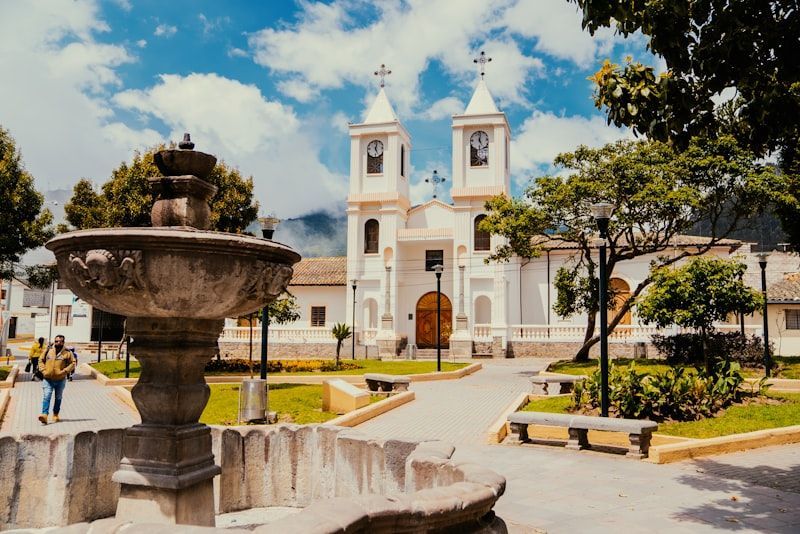
Cuenca isn’t just practical — it’s beautiful. The city’s UNESCO-listed historic center, the Tomebamba River valleys, vibrant artisan markets, and museums offer a rich cultural backdrop to your dental trip. Many patients extend their stays to explore Cajas National Park (great for easy nature walks), the Ingapirca archaeological site, or nearby hot springs.
Planning your treatment as a dental vacation means you can pair appointments with sightseeing: schedule consults and procedures early in the week and plan gentle outings during recovery days. The result is getting the dental care you need while enjoying an affordable, rejuvenating break.
Short Wait Times and Efficient Scheduling
In many parts of North America, cosmetic and specialty dental procedures can have long waits. In Cuenca, turnaround and scheduling are typically much faster. Many clinics can fit international patients into their schedules within days or weeks; some even offer accelerated workflows for crowns and implants thanks to in-house labs and CAD/CAM systems.
For single crowns, it’s common to complete the crown from prep to final placement in 3–7 days. For implants, options range from traditional staged approaches (with a healing period) to immediate-load protocols that provide a functional tooth on the same visit, depending on your oral health and the dentist’s recommendation.
Personalized One-on-One Care
Small clinic sizes mean dentists often spend more time with each patient. From the initial consultation to post-op follow-ups, you’ll experience personalized care, detailed treatment planning, and clear communication. Many clinics assign a patient coordinator to manage logistics — transfers, hotel recommendations, appointment schedules, and language assistance — so your trip runs smoothly.
English-speaking staff are common, given the international patient base. That makes communication easy for American and Canadian patients who may feel anxious about complex procedures in a foreign country.
Practical Tips for a Successful Dental Trip to Cuenca
- Bring your dental records and recent X-rays: many clinics will request these in advance for a preliminary treatment plan.
- Verify what’s included in the quote: crown materials, implant brands, lab fees, and post-op visits. Ask for itemized pricing and a written treatment timeline.
- Plan for at least 5–10 days for a crown or veneer trip; implants can require multiple visits over months unless you choose an immediate-load option. Discuss timelines with your dentist before booking travel.
- Use clinics that offer CBCT imaging and digital scans — they improve predictability and can speed up production.
- Purchase travel or medical tourism insurance for peace of mind, and check whether your home dental insurance covers any part of overseas treatment (often not, but worth asking).
- Remember Ecuador uses the U.S. dollar, which simplifies payments and budgeting for American travelers.
- Watch for altitude effects: stay hydrated, take it easy for the first 24–48 hours after sedation or surgery, and avoid heavy exertion right away.
Sample Itineraries: Crowns vs. Implants
Crowns and Veneers (Fast Turnaround)
Day 1: Arrival and initial consultation with digital scans or impressions. Day 2: Tooth preparation and placement of temporary restorations. Day 3–5: Lab fabrication of the final crowns/veneers (with CAD/CAM, many labs can produce final prostheses in 24–72 hours). Day 4–6: Final placement and polishing, with adjustments as needed. Patients typically stay about a week for comfort and follow-up.
Implants (Options and Staging)
Traditional two-stage implants: Day 1: Consultation, CBCT scan, and implant placement. Recovery at hotel for 1–3 days. Follow-up visit for suture removal in 7–14 days. Healing for 3–4 months (sometimes locally or back home) before final abutment and crown placement.
Immediate-load or All-on-4 options: Day 1: Consult, planning, and surgery with immediate temporary prosthesis. Stay 7–10 days for immediate post-op care and initial adjustments; return later for final prosthesis if required. Discuss realistic expectations and guarantees with your dentist upfront.
How to Choose the Right Clinic in Cuenca
Selecting a clinic is the most important decision. Look for these red flags and green lights:
- Green light: Verified before-and-after photos, patient testimonials, and transparent pricing.
- Green light: Digital tools — CBCT imaging, intraoral scanners, and CAD/CAM capability.
- Green light: Clear communication in English, a dedicated coordinator, and written treatment plans.
- Red flag: Vague quotes, pushy upselling, or unwillingness to provide references or documented credentials.
Ask about implant systems and materials, warranty policies, and what follow-up care includes. A reputable clinic will gladly walk you through their sterilization routines, lab partnerships, and aftercare procedures.
Safety, Regulations, and Patient Rights
Ecuador requires licensed dentists to practice, and many Cuenca clinicians follow international standards. Still, patients should confirm licensing and ask about clinic accreditation or affiliations. Request written consents, a clear description of risks, and a comprehensive estimate that includes follow-up appointments.
Also confirm the clinic’s policy for handling complications, including options for emergency care and how the clinic will coordinate follow-up if you return home before final restoration or healing is complete.
The Incredible Value Proposition: More Than Just Savings
Yes, the numbers are compelling — many people finance an entire smile makeover and a vacation for less than the cost of a single implant at home. But the real value of dental tourism in Cuenca goes beyond dollars: it’s the combination of high clinical standards, personalized care, modern technology, quick scheduling, and an environment that supports healing.
Patients frequently report being astonished not just by the cost savings but by the attentive service, the thoroughness of treatment planning, and the pleasant recovery days spent exploring a beautiful, historical city.
Final Considerations and Next Steps
If you’re weighing dental work at home versus travel for care, do a side-by-side comparison: request full, itemized quotes from local and Cuenca clinics; check dentist qualifications and clinic technology; and factor in travel time and accommodation. For many Americans and Canadians, the result is clear — Cuenca offers exceptional value without compromising quality.
Start by gathering your dental records and contacting several Cuenca clinics for initial consultations. Most clinics provide virtual consultations with photos or scans to give a preliminary treatment plan and estimate. With planning and reputable partners, Cuenca can turn a dental necessity into a life-enhancing dental vacation — restoring your smile and leaving you with memories of a charming Ecuadorian city.
Where to Stay and Recover
Choose centrally located hotels or guesthouses near the historic center and Parque Calderón for easy access to clinics, pharmacies, and restaurants. Many patients prefer accommodations along the Tomebamba River or around the parks for quieter, scenic recovery days. Short-term rentals and boutique hotels are abundant and affordable, making it easy to find a comfortable place that fits your recovery needs and budget.
In Summary: Why Cuenca Really Is One of the Best Dental Tourism Destinations
Cuenca combines dramatic cost savings (often 60–70%), highly trained dentists, modern technology, fast scheduling, and a scenic, low-stress environment perfect for recovery. Add to that English-speaking staff, the convenience of the U.S. dollar, and the chance to turn dental care into a restorative vacation — and you’ll see why more people are choosing Cuenca for crowns, veneers, and implants.
With the right clinic and a sensible plan, you can get world-class dental work, enjoy a beautiful city, and save enough to make the entire trip worthwhile. If value, quality, and a memorable recovery are priorities, Cuenca should be at the top of your dental tourism list.