
Table of Contents
Why Cuenca Tops the List for Dental Tourism
For retirees seeking high-quality dental implants, crowns, or veneers without the steep North American price tag, Cuenca, Ecuador stands out. This historic Andean city pairs dramatic cost savings—often 60–70% less than U.S. and Canadian prices—with highly trained dentists, modern clinics, fast scheduling and a beautiful recovery environment. Add easy travel logistics, English-speaking staff, and a cultural backdrop that invites gentle exploration, and it’s clear why Cuenca is a top dental vacation destination.
Massive Savings Without Compromising Quality
Cost is the strongest driver for many retirees. In the U.S. and Canada, a single dental implant with abutment and crown can easily run $3,000–$6,000; in Cuenca, comparable packages are commonly in the $1,000–$2,000 range. Crowns that cost $800–$1,500 at home are typically $200–$450 in Cuenca. Veneers and full-arch restorations show similar disparities. Those savings translate to the ability to get multiple major procedures, better materials, or even a short restorative vacation for the price of a single treatment back home.
Highly Trained Dentists and International Standards
Cuenca’s dentists are educated at respected Ecuadorian universities and many have additional training or certifications from the U.S., Europe, or Latin American specialty programs. Clinics follow sterilization and clinical protocols aligned with international standards, and many dentists participate in ongoing continuing education. It’s common to find bilingual teams, digital diagnostics, and specialists in implantology, prosthodontics, endodontics and periodontics collaborating under one roof.
Modern Clinics and Cutting-Edge Technology
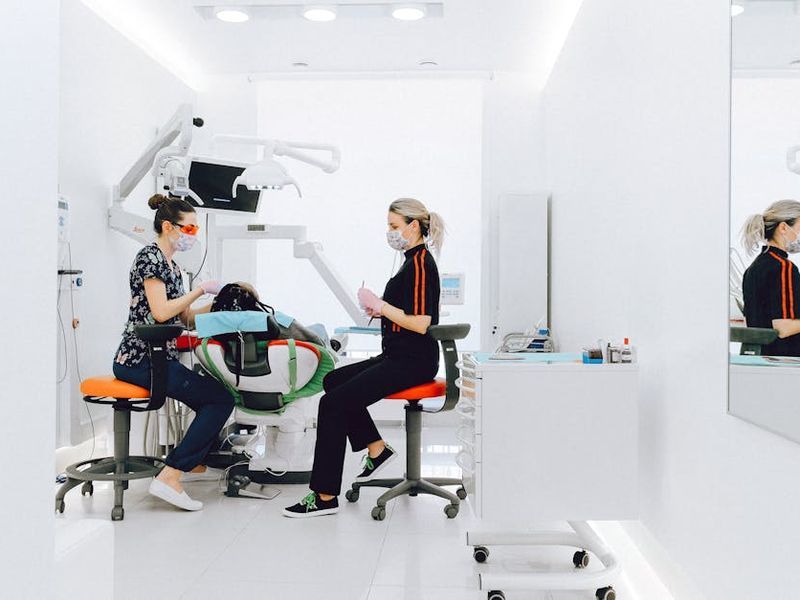
Dental facilities in Cuenca are modern and well-equipped. Expect to see digital intraoral scanners, CAD/CAM milling centers, cone-beam CT (CBCT) for 3D imaging, guided implant surgery systems, and on-site labs with experienced ceramists. These technologies allow for precise planning, shorter treatment times and improved aesthetic outcomes—factors that matter hugely to retirees who want both reliability and natural-looking results.
Short Wait Times and Personalized Care
One major advantage of dental tourism in Cuenca is speed. While patients in the U.S. may wait weeks or months for specialty appointments, many Cuenca clinics schedule consultations or procedures within days. Retirees also often comment on the one-on-one patient attention—dentists and staff take time to explain treatment options, materials, and post-op care. Personalized care combined with faster scheduling reduces stress and makes the trip more efficient.
Cuenca as a Healing and Relaxation Destination
Recovery matters. Cuenca’s mild, spring-like climate (average elevation about 2,560 meters / 8,400 feet) and walkable, low-traffic city center are ideal for gentle recuperation after dental surgery. Picture morning walks along the Tomebamba River, easy coffee breaks in shaded plazas near Parque Calderón, and restful afternoons in boutique hotels or rental apartments. The city’s slower pace, green spaces and clean air create an environment where healing feels natural.
Be Mindful of Altitude
Because Cuenca sits at higher elevation, retirees should allow a day or two to acclimate before major surgeries. Hydration, light activity and avoiding heavy physical exertion in the first 48 hours are smart precautions. Many clinics advise an initial consultation day, then schedule procedures after you’ve settled in.
Combine Dental Care with a Memorable Vacation
One of the most attractive aspects of dental tourism in Cuenca is the chance to combine necessary treatment with travel. Plan treatment blocks and recovery days so you can enjoy cultural outings like walking the historic UNESCO-listed downtown, visiting Museo Pumapungo, or taking a gentle trip to Cajas National Park. In the evenings, indulge in fresh local cuisine—Cuenca is known for excellent bakeries, restaurants and artisan markets—making the experience both restorative and enriching.
Typical Treatment Timelines and What to Expect
Understanding timelines helps retirees plan accurately. Here are common scenarios:
- Single implant with crown: Many clinics can place an implant and later return for a crown after healing (3–4 months). Some clinics offer immediate-load or same-day provisional crowns in suitable cases.
- Multiple implants or full-arch restorations: Treatments like All-on-4 often require planning, surgical placement and a follow-up for final prosthetics—usually over 1–3 months, but much of the time can be spent enjoying Cuenca while healing.
- Crowns or veneers: With in-house CAD/CAM systems, some clinics complete crowns and veneers in two visits within a week, making it easy to schedule a short dental vacation.
Practical Tips for Retirees Planning Dental Care in Cuenca
Make your dental vacation smooth and worry-free with these practical suggestions:
- Request a detailed digital treatment plan and itemized quote before booking travel. Many clinics accept emailed panoramic x-rays and photos for pre-evaluation.
- Ask about implant brands (Nobel Biocare, Straumann, Zimmer, etc.), materials (zirconia vs porcelain-fused-to-metal), and the clinic’s warranty policy for prosthetics.
- Verify dentist credentials and registration with national dental associations (Colegio de Odontólogos) and read patient reviews and before/after photos.
- Plan for acclimation: arrive 48–72 hours before surgery to adjust to elevation and hydration needs.
- Book accommodation close to El Centro, Parque Calderón or the clinic to minimize travel after procedures; many dentists will recommend nearby hotels or short-term rentals.
- Bring a list of current medications and contact information for your home physician; discuss any heart, diabetic or clotting issues with your dentist ahead of time.
- Check that your travel insurance covers medical complications and arrange a modest supply of any prescription pain meds the clinic prescribes.
Logistics: Getting There and Moving Around
Cuenca’s Mariscal Lamar Airport (CUE) is a short drive from the city center and receives flights from Quito and Guayaquil. International travelers typically connect through those hubs. Taxis, app-based ride services and reliable shuttle options make transfers easy. The city’s compact core is walkable and taxis are affordable for short hops, which is ideal during recovery.
Safety, Language and Local Support
Cuenca is considered one of Ecuador’s safest cities and has an established expat community, including many retirees. English is widely spoken in dental clinics and hotels, but learning a few Spanish phrases is helpful for everyday interactions. Many clinics provide bilingual patient coordinators who handle logistics, translations, aftercare instructions and follow-up appointments. This level of support eases travel stress—especially for retirees traveling alone or with a companion.
Aftercare and Follow-Up: Remote Options
Reputable Cuenca clinics provide thorough aftercare instructions and remote support. Follow-up can include digital check-ins, emailed photos, or video calls. Most clinics will coordinate with your home dentist for continuity of care, supplying detailed records and radiographs so long-term maintenance is seamless. If additional adjustments are needed, many patients return for brief follow-up visits or have work completed locally under the guidance of the Cuenca specialist.
Choosing the Right Clinic: Red Flags and Must-Haves
Not all clinics are equal—know what to look for:
- Must-have: visible clinical photos, 3D imaging capability (CBCT), and a digital treatment plan.
- Must-have: clear warranties on crowns/implants, and written aftercare instructions.
- Red flag: clinics that give vague cost estimates or pressure you into rushed decisions before you’ve had time to review options.
- Look for: patient testimonials, before-and-after galleries, and staff who answer questions clearly in English.
The Financial and Emotional Value for Retirees
Beyond the numbers, retirees cite emotional and lifestyle benefits. Dental procedures that would be financially out of reach at home become affordable in Cuenca, enabling a better quality of life: smiling without discomfort, improved nutrition from restored chewing ability, and renewed confidence. The savings can free up funds for travel, home improvements, or simply a more comfortable retirement.
Sample Dental Vacation Itinerary
Here’s a sample two-week plan that balances treatment and recovery with exploration:
- Day 1: Arrival, light stroll in El Centro, acclimate to altitude.
- Day 2: Initial consultation, digital scans, and treatment plan finalized.
- Day 3: Surgical day—implant placement or extractions if needed; rest and light walks.
- Days 4–10: Recovery and light activities—museums, river walks, local cuisine; remote follow-up with clinic as needed.
- Day 11: Check-up and impressions for crowns/veneers (if applicable).
- Day 12–14: Final restorations, adjustments, and departure with digital records and aftercare plan.
Realistic Expectations and Planning Ahead
Success in dental tourism comes from realistic expectations and good planning. Some procedures require multiple trips or longer healing windows; others can be condensed using modern techniques. Communicate openly with your chosen clinic about timelines, material preferences, and any medical conditions that could affect healing. With attentive planning, retirees can enjoy a high-value, low-stress dental vacation in Cuenca.
Final Thoughts: Why Cuenca Is a Smart Choice
Cuenca offers a rare combination for retirees: dramatic cost savings, skilled clinicians, advanced technology, short wait times and a restorative environment that supports healing. Whether you need a single crown, a few implants, or a major smile makeover, Cuenca provides exceptional value—medical excellence wrapped in a charming colonial city. For retirees on fixed incomes who want top-tier dental work without spending a decade’s savings, Cuenca is more than a convenient option—it’s a life-changing one.
Quick Checklist Before You Book
- Obtain a detailed treatment plan and itemized quote.
- Confirm dentist credentials and clinic technology (CBCT, CAD/CAM).
- Plan arrival 48–72 hours before invasive procedures to acclimate.
- Arrange bilingual support and post-op logistics with the clinic.
- Book accommodation near the clinic for easy recovery.
With these steps in place, Cuenca may well be the smartest, most enjoyable place for retirees to get world-class dental implants, crowns and veneers—while enjoying an unforgettable Ecuadorian escape.
Adam Elliot Altholtz serves as the Administrator & Patient Coordinator of the “Smilehealth Ecuador Dental Clinic“, along with his fellow Expats’ beloved ‘Dr. No Pain‘, right here in Cuenca, Ecuador, and for purposes of discussing all your Dental needs and questions, is available virtually 24/7 on all 365 days of the year, including holidays. Adam proudly responds to ALL Expat patients from at least 7:00am to 9:00pm Ecuador time, again every single day of the year (and once more even on holidays), when you write to him by email at info@smilehealthecuador.com and also by inquiry submitted on the Dental Clinic’s fully detailed website of www.smilehealthecuador.com for you to visit any time, by day or night. Plus, you can reach Adam directly by WhatsApp at +593 98 392 9606 -or by his US phone number of 1‐(941)‐227‐0114, and the Dental Clinic’s Ecuador phone number for local Expats residing in Cuenca is 07‐410‐8745. ALWAYS, you will receive your full Dental Service in English (NEVER in Spanish), per you as an Expat either living in or desiring to visit Cuenca by your Dental Vacation, plus also to enjoy all of Ecuador’s wonders that are just waiting for you to come arouse and delight your senses.