
Table of Contents
Why Cuenca Is Becoming the Global Hub for Dental Implants
If you’ve been postponing dental implants because of cost, wait times, or uncertainty about quality, Cuenca, Ecuador deserves your attention. This compact Andean city has quietly become one of the world’s best dental tourism destinations. Patients get high-quality implants, crowns, and veneers for a fraction of North American prices—typically 60–70% less—without sacrificing modern technology, accredited training, or personalized care. Combine treatment with a comfortable recovery in a UNESCO-listed historic center, and you’ll see why dental vacations to Cuenca are booming.
Cost Comparison: Significant Savings Without Sacrificing Quality
Price is the main reason many people travel for dental work. In the US and Canada, full dental implant procedures (implant + abutment + crown) often run several thousand dollars per tooth. In Cuenca you can expect dramatic savings—commonly 60–70% less—thanks to lower overhead, affordable labor costs, and an efficient healthcare ecosystem that focuses on value.
Example ballpark comparisons (for illustration): while a single implant+abutment+crown can cost $3,000–$6,000 in the US, in Cuenca comparable work frequently ranges from $800–$2,000. Crowns and veneers are similarly less expensive: what might be $800–$2,000 per crown in North America can often be found in Cuenca for a few hundred dollars. These savings allow patients to get comprehensive care—multiple implants, full-arch restorations, and higher-end materials—without breaking the bank.
Quality of Care: World-Class Training and Modern Protocols
Cost savings don’t mean cutting corners. Many Cuenca dentists are university-trained at top Ecuadorian programs such as Universidad de Cuenca and complete advanced postgraduate training abroad in Spain, Colombia, and the United States. Specialists in implantology, prosthodontics, periodontics, and oral surgery offer coordinated treatment plans, and continuous education is common.
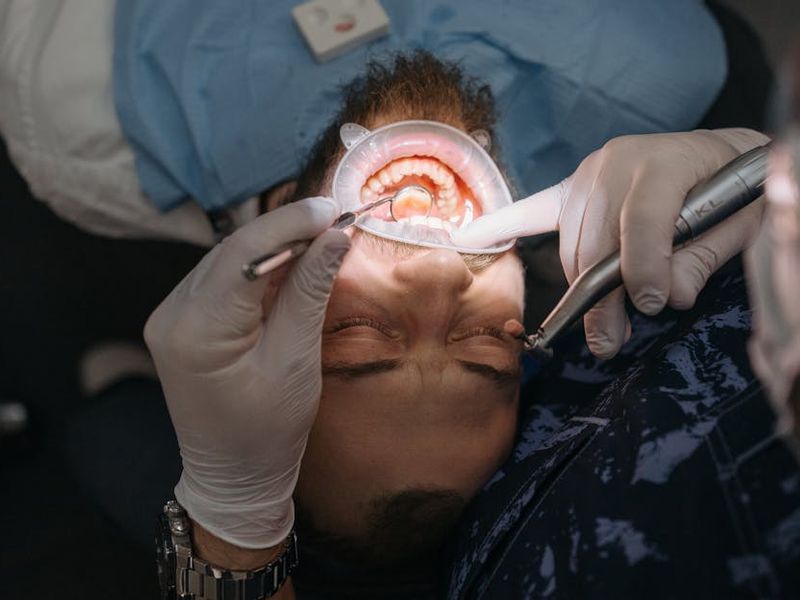
Clinics in Cuenca follow international protocols: using CBCT (3D) imaging for precise planning, digital intraoral scanners, CAD/CAM milling, guided implant surgery, and modern sterilization systems. Patients will find the same high-tech tools used in top North American practices, but at a much lower price point.
Clinic Standards, Technology, and Personalized Care
Many dental offices in Cuenca are boutique-style clinics where one-on-one patient relationships are prioritized. Unlike busy dental centers in larger cities, Cuenca clinics often provide personalized timelines and longer, unhurried consultations. Expect digital treatment plans, clear before-and-after documentation, and direct communication with your implant surgeon.
Technology you can expect: CBCT scans, digital smile design, intraoral scanners, 3D-printed surgical guides, titanium implants from international manufacturers, and porcelain ceramics like zirconia and lithium disilicate for crowns and veneers. Sedation and IV options are available when needed, handled by trained staff and anesthesiologists in larger clinics.
Short Wait Times and Streamlined Appointments
One of the surprising perks of dental tourism in Cuenca is speed. In many parts of the US and Canada you may wait weeks or months for an implant consult and additional months for surgery and prosthetic delivery. In Cuenca you’ll usually find a much faster timeline: initial consults are scheduled quickly, CBCT scans are done the same day, and guided implant surgeries can often be set within days or a couple of weeks. This efficiency allows you to plan a single trip for surgery and follow-ups or a two-trip arrangement for more complex full-arch cases.
The Perfect Recovery Destination: Climate, Culture, and Comfort
Recovery matters, and Cuenca is ideal. Situated at about 2,560 meters (8,400 feet), the city enjoys a mild, spring-like climate year-round—temperate days and cool evenings—helpful for comfort after oral surgery. The city’s compact historic center and calm neighborhoods make gentle walks pleasant, and the local food scene is excellent for soft, nutritious meals during recovery.
Beyond practical comforts, Cuenca offers beautiful green spaces and low-stress activities: strolls in Parque Calderón, a visit to the Turi viewpoint, day trips to Cajas National Park for gentle scenery, or visits to artisan towns like Chordeleg for jewelry and Sigsig for local crafts. Soft excursions let you rest while enjoying Ecuador’s culture and nature, turning dental recovery into a restorative vacation.
How to Plan a Dental Vacation to Cuenca: Logistics and Practical Tips
Planning ahead makes the trip smooth and stress-free. Here are practical steps and tips to guide you:
- Initial research: Start with detailed email or video consults. Most clinics provide CBCT scans, treatment plans, and cost estimates remotely.
- Flights: Fly into Quito (UIO) or Guayaquil (GYE) and take a short domestic flight to Mariscal La Mar Airport (CUE) in Cuenca. There are sometimes seasonal direct international options; check current schedules.
- Timing: For a single implant with immediate follow-up, plan 7–10 days. For multiple implants, bone grafting, or full-arch work, consider two trips: one for extractions/grafts/implants and a second (3–4 months later) for abutments and final crowns, though guided immediate-load options may reduce this timeline in some cases.
- Accommodation: Choose hotels or short-term rentals near the Historic Center (Parque Calderón) for convenience. Many clinics are centrally located or offer transportation from your hotel or the airport.
- Translation and support: Many clinics offer English-speaking staff; if desired, bring a translator or ask the clinic to provide one.
Choosing the Right Clinic: Questions to Ask
Not all clinics are identical. Ask these important questions to compare options and ensure quality:
- What is the clinician’s training and specialization? Do they have postgraduate implant training or specialty certifications?
- Can you see before-and-after photos and patient testimonials for cases similar to yours?
- Which implant brands and materials are used? Do they use CBCT, guided surgery, or CAD/CAM prosthetics?
- What is the full cost breakdown (implant, abutment, crown/bridge, grafting, sedation, follow-ups)? Are there warranties or guarantees on implants and prosthetics?
- What aftercare and remote follow-up are provided once I return home? How is emergency care handled?
Treatment Timelines: Typical Itineraries for Dental Tourists
Below are sample timelines for common scenarios. Exact length varies by case and clinic recommendations.
Simple Single Implant
Day 1: Consultation, CBCT scan, treatment plan. Day 3–7: Implant surgery. Stay 4–7 days for initial healing and 7–14 day check. Return home for osseointegration period (2–4 months). Return for final crown once healed.
Multiple Implants or Full-Arch (All-on-4)
Option 1 (Single-trip immediate-load): 10–14 days—consult, surgery, and provisional prosthesis placed before leaving (case-dependent). Option 2 (Two trips): First trip for extractions, bone grafts, and implant placement; 3–6 months healing at home; second trip for abutments and final prosthetics.
Insurance, Financing, and Long-Term Care
Most US and Canadian dental insurance plans won’t cover treatment abroad, but the cost savings often offset this. Some clinics in Cuenca offer payment plans or financing options, and many accept major credit cards or bank transfers. Before booking, confirm payment schedules, cancellation policies, and what happens if additional procedures are needed unexpectedly.
For long-term care, ask your Cuenca clinic to provide a detailed treatment record and maintenance instructions to share with your local dentist. Many clinics include a written warranty on prosthetics and implants; confirm the terms, what’s covered, and how follow-up is handled if you are back home.
Safety, Accreditation, and Patient Satisfaction
Safety standards in Cuenca are high in reputable clinics. Look for modern sterilization protocols, reputable international implant brands, and clinics that follow global best practices. Many dentists are members of national and international associations; ask for membership proof and licensure. Read independent reviews and request patient references to verify satisfaction and outcomes.
Real Value: Why Cuenca Beats the Competition
Cuenca’s value proposition is multifaceted. It’s not simply cheaper; it’s cost-effective care paired with superior patient experience. Key advantages include:
- Massive savings of 60–70% compared to US/Canada for equivalent materials and techniques.
- Highly trained dentists and specialists who collaborate on complex cases.
- Access to modern dental technology—CBCT, guided surgery, CAD/CAM—at lower prices.
- Shorter wait times and more personalized, one-on-one care.
- An ideal recovery environment with gentle climate, excellent food options, and culturally rich, low-stress activities to complement healing.
Frequently Asked Questions
Is dental tourism to Cuenca safe?
Yes—when you select a reputable clinic. Research credentials, review before-and-after cases, and ensure protocols like CBCT imaging, sterile environments, and international implant brands are used.
How long should I stay in Cuenca for implants?
Simple cases may require 7–10 days; complex full-arch procedures can be managed in a single stay of 10–14 days for immediate-load cases or two trips if traditional healing time is needed.
Will my US/Canadian dentist accept work done in Cuenca?
Many will, especially if you provide complete documentation. Good communication between your Cuenca clinic and your local dentist helps with long-term maintenance.
Final Thoughts: Dental Care That Doubles as a Vacation
Cuenca offers a rare combination: top-tier dental care and a restorative travel experience. By choosing Cuenca for implants, crowns, or veneers you gain access to highly trained clinicians, modern clinics, and substantial cost savings—often 60–70%—all while recovering in a charming, low-stress city with an excellent quality of life. Whether you prioritize price, personalized care, rapid access to specialists, or the chance to turn dental treatment into a peaceful vacation, Cuenca delivers exceptional value.
If you’re weighing options for implants or major dental work, research Cuenca dental clinics, request detailed digital treatment plans, and compare timelines and warranties. With thoughtful planning, you can leave with a healthier smile and a memorable trip—proof that great dental tourism isn’t just about saving money; it’s about smarter, more humane care paired with an unforgettable recovery destination.
Adam Elliot Altholtz serves as the Administrator & Patient Coordinator of the “Smilehealth Ecuador Dental Clinic“, along with his fellow Expats’ beloved ‘Dr. No Pain‘, right here in Cuenca, Ecuador, and for purposes of discussing all your Dental needs and questions, is available virtually 24/7 on all 365 days of the year, including holidays. Adam proudly responds to ALL Expat patients from at least 7:00am to 9:00pm Ecuador time, again every single day of the year (and once more even on holidays), when you write to him by email at info@smilehealthecuador.com and also by inquiry submitted on the Dental Clinic’s fully detailed website of www.smilehealthecuador.com for you to visit any time, by day or night. Plus, you can reach Adam directly by WhatsApp at +593 98 392 9606 -or by his US phone number of 1‐(941)‐227‐0114, and the Dental Clinic’s Ecuador phone number for local Expats residing in Cuenca is 07‐410‐8745. ALWAYS, you will receive your full Dental Service in English (NEVER in Spanish), per you as an Expat either living in or desiring to visit Cuenca by your Dental Vacation, plus also to enjoy all of Ecuador’s wonders that are just waiting for you to come arouse and delight your senses.