
Table of Contents
Why Cuenca is the Best Choice for Canadian Dental Tourism
If you’re a Canadian weighing the cost and inconvenience of dental crowns, implants, or veneers at home, Cuenca, Ecuador deserves a top spot on your shortlist. With savings often between 60–70% compared to Canada and the US, high-quality dentists trained at leading universities, modern clinics equipped with cutting-edge technology, and a beautiful, calm city ideal for recovery, Cuenca offers an unbeatable combination of value and experience.
Big Savings Without Big Compromises
One of the main drivers of dental tourism is cost — and Cuenca delivers. Typical retail prices in Canada for a single implant plus crown can range from CAD 3,500–7,000 (or more), while a veneer or porcelain crown often runs CAD 800–2,000 per tooth. In Cuenca, equivalent work commonly costs 60–70% less. You’ll find single implant packages often quoted in the USD 700–1,500 range and crowns or high-quality porcelain/zirconia veneers commonly available between USD 200–600 per tooth, depending on materials and procedure complexity.
That means substantial savings even after airfare and accommodations — savings you can reinvest in higher-end materials, more comprehensive treatment, or a longer, more comfortable recovery stay in one of South America’s most charming colonial cities.
World-Class Training and Modern Clinics
Cuenca’s dental community includes specialists trained at well-regarded universities in Ecuador and internationally, many with continuing education from North America and Europe. Clinics often emphasize international standards of care and patient safety.
Expect to find facilities outfitted with:
- CBCT 3D imaging and digital x-rays for precise implant planning
- Intraoral scanners and CAD/CAM milling for same-day crowns or precise prosthetics
- 3D-printed surgical guides and guided implant placement systems
- Modern sterilization protocols and comfortable recovery suites
Many clinics use internationally recognized implant systems and premium ceramic materials (zirconia, e.max, layered porcelain), giving you access to the same technologies available in higher-cost markets.
Short Wait Times and Personalized One-on-One Care
Unlike long specialist wait lists in Canada, Cuenca clinics typically offer much quicker scheduling. You can often obtain a teleconsultation within days and book treatment with minimal delay. That rapid access is especially valuable if you need time-sensitive work done or prefer to coordinate several procedures while on vacation.
Because clinics in Cuenca commonly cater to international patients, you’ll notice a strong focus on personalized service: English-speaking coordinators, one-on-one treatment planning, and follow-up by phone or WhatsApp after you return home. This concierge-style approach can make complex dental journeys feel far less stressful.
Combine Treatment with a Soothing Recovery Vacation
Cuenca’s tranquil historic center, mild year-round climate, and walkable neighborhoods create an ideal recovery environment. The city sits at roughly 2,560 meters (about 8,400 feet) above sea level and enjoys spring-like temperatures year-round, which many patients find pleasant and restorative.
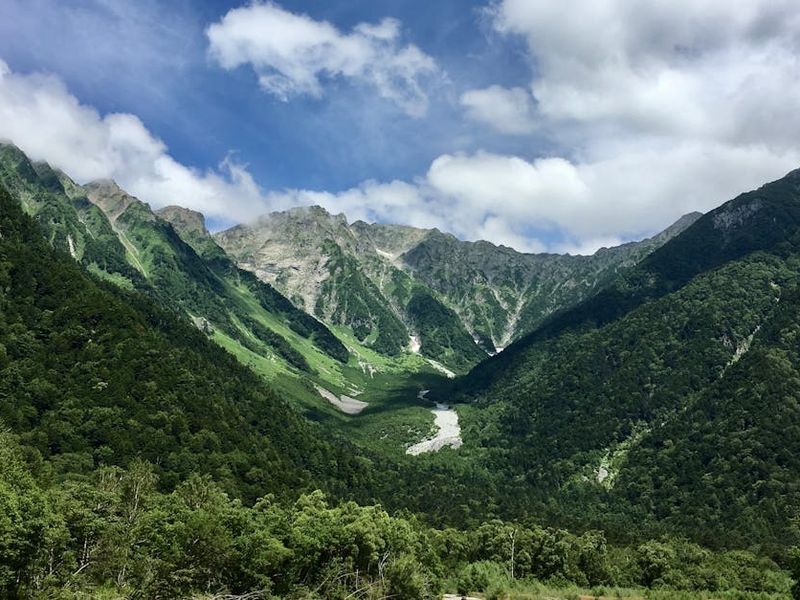
Picture morning walks on cobblestone streets around the Parque Calderón, restful afternoons in riverside cafés, visits to artisan markets, or day trips to the dramatic highland scenery of El Cajas National Park. These low-impact activities are perfect while recovering from dental work and make the trip feel like a genuine vacation rather than a medical chore.
Typical Treatment Timelines — What to Expect
Understanding timelines helps you plan your trip and minimize time off work. Here are common examples:
- Crowns and Veneers: Many clinics can perform crowns and veneers in one to two visits. With digital impressions and in-office milling, temporary restorations can be placed on day one and final prosthetics delivered within 7–14 days.
- Single Implants: Standard two-stage implants often require placement and then a healing period (commonly 3–4 months) before the final crown. Some clinics offer immediate-load implants (or temporary crowns) when bone conditions permit, reducing visits and total time.
- All-on-4 / Full-Arch Rehabilitations: Options like All-on-4 can often be completed in a single surgical visit with provisional prosthetics and a final prosthesis after healing. Packages are frequently priced far below North American averages.
Many patients use a staged approach: initial visit for consultation, imaging and preparatory work, second visit for surgery, then a follow-up stay for final restorations. If you prefer fewer trips, ask clinics about immediate load options and in-house labs.
Practical Planning Tips for Canadian Patients
To make the most of a dental vacation to Cuenca, use this practical checklist:
- Bring recent dental records, x-rays or contact your Canadian dentist to send records ahead — this speeds up planning and leads to accurate quotes.
- Request a teleconsultation and a detailed written treatment plan and cost estimate. Ask what’s included: materials, temporary prosthetics, sedation, follow-ups and warranty terms.
- Verify credentials: confirm clinic registration, look at before/after photos, read patient reviews, and ask about the dentist’s continuing education and implant brands used.
- Plan for altitude acclimatization. Arrive a day or two early to adjust to Cuenca’s elevation and discuss sedation/anesthesia options with your clinician.
- Book flexible return flights and travel insurance that covers elective dental procedures and medical evacuation if you have health concerns.
- Choose recovery-friendly lodging in the historic center or quieter neighborhoods near your clinic to minimize travel after procedures.
What to Ask Your Clinic — Key Questions
Before committing, ask clinics straightforward questions so you know what to expect:
- Which implant brands and materials are used? Are warranties provided?
- Is CBCT imaging available on-site and included in the price?
- Will the lab prosthetics be manufactured in-house or by a local lab? Can I see lab credentials?
- What sedation or pain management options are offered (local, sedation, oral sedatives)?
- How are aftercare and emergency follow-ups handled once I return to Canada?
- Are postoperative prescriptions (antibiotics, pain meds) included?
Real Cost Comparisons — The Typical Savings
While prices vary by clinic and case complexity, here are illustrative comparisons to help you estimate potential savings:
- Single dental implant (complete with abutment and crown): Canada USD/CAD equivalent often CAD 3,500–7,000 vs. Cuenca USD 700–1,500 — roughly 60–75% savings.
- Porcelain crown: Canada CAD 800–2,000 vs. Cuenca USD 150–450.
- Porcelain veneer: Canada CAD 800–2,000 vs. Cuenca USD 250–600.
- Full-arch All-on-4: Canada CAD 30,000–60,000 vs. Cuenca USD 10,000–20,000 depending on materials and lab work — often more than 60% savings.
Remember that these are estimates; clinics will provide personalized quotes after reviewing your records. Even after adding travel and accommodation costs, the net savings are typically substantial.
Travel Logistics and What to Expect Upon Arrival
Most Canadians reach Cuenca via flights to Quito or Guayaquil with a short domestic connection to Mariscal Lamar Airport (CUE), or longer but scenic ground travel. The city center is a short drive from the airport. Cuenca uses the US dollar as its currency, which simplifies budgeting and removes currency exchange surprises.
Upon arrival, it’s wise to:
- Attend any pre-op appointment for imaging and final treatment planning — many clinics will do this on the same day you arrive or the following morning.
- Confirm postoperative instructions and arrange local pharmacy access for any prescriptions.
- Plan gentle activities for the first few days: light walking, museum visits, and dining at soft-food–friendly restaurants during dental recovery.
Recovery and Aftercare — Why Cuenca Helps You Heal
Recovery is smoother when you’re comfortable and relaxed. Cuenca’s mild climate, plentiful cafés, green plazas, and nearby natural areas create a low-stress environment ideal for postoperative rest. Local pharmacies are well-stocked, and many clinics provide 24/7 phone follow-up and emergency contact numbers.
Because clinics often provide clear written and digital aftercare instructions (and will often follow up via WhatsApp), Canadian patients report feeling confident managing their recovery before flying home. When longer healing times are needed, Cuenca’s hotels and short-term rentals make extended stays pleasant and affordable.
Safety, Standards and Red Flags to Avoid
Dental tourism is popular for great reasons, but you should still be cautious. Look for clinics that:
- Use digital imaging and have on-site sterilization systems
- Provide written, itemized treatment plans and clear warranty terms
- Have a history of positive patient testimonials and before/after photos
- Offer follow-up care and clear emergency protocols for international patients
Be wary of quotes that sound too good to be true without any diagnostic imaging or detailed plans. Good clinics will want to review your x-rays and clinical photos before promising a price or timeline.
Putting It All Together — Is a Dental Vacation Right for You?
For many Canadians, Cuenca represents a rare chance to combine top-tier dental work with an enriching travel experience, all while saving thousands of dollars. If you need crowns, implants or veneers and are open to traveling, Cuenca is a compelling option worth serious consideration.
Start by collecting your dental records, scheduling teleconsultations with 2–3 vetted clinics, and comparing treatment plans, materials and warranties. Factor in travel costs and recovery time, and consider whether you’d like to make the trip a restorative escape in addition to a necessary medical journey.
Final Thoughts: Exceptional Value Meets a Gorgeous Recovery Destination
Cuenca’s mix of affordability, clinical expertise, advanced technology, and a tranquil, UNESCO-protected historic center makes it one of the world’s best dental-tourism destinations for Canadians. Whether you’re replacing failing teeth with implants, resurfacing your smile with veneers, or getting precision crowns, Cuenca offers a combination of clinical excellence and vacation-quality recovery that is hard to beat.
With substantial cost savings, short wait times, one-on-one care and the chance to recover in a beautiful, healthful environment, Cuenca turns a necessary procedure into an opportunity — to restore your smile and enjoy an unforgettable trip.
Next Steps
Compile your dental records, request teleconsultations from clinics, and plan a preliminary trip itinerary that allows for consultation, treatment, and reasonable recovery time. Check passport validity and current travel advisories, and look into travel insurance that covers elective dental work. With a bit of planning, your Canadian dental vacation to Cuenca could be the smartest health and lifestyle investment you’ll make this year.