
Table of Contents
Why Cuenca Is the Smartest Choice for Canadian Dental Tourism
If you’re a Canadian weighing the costs and comfort of major dental work like crowns, implants or veneers, Cuenca, Ecuador deserves a close look. For decades travelers have flown south seeking dramatic savings without sacrificing quality. What makes Cuenca stand out is the rare mix of highly trained dentists, modern clinics using cutting-edge technology, short wait times and a restorative, scenic city perfect for recovery. Put simply: you can get world-class dental care here for a fraction of the Canadian price and turn treatment into a revitalizing trip.
60–70% Savings: How Much Can You Really Save?
Cost is the headline reason Canadians choose dental tourism. Typical price comparisons are compelling: a single dental implant in Canada often ranges from CAD 3,000–6,000; in Cuenca similar implants commonly cost 60–70% less. Crowns that run CAD 1,200–1,800 in Canada are frequently available in Cuenca for USD 300–600 (often under CAD 1,000). Veneers and cosmetic work follow the same pattern—substantial savings even after flights and accommodation.
Those savings let many Canadians afford more comprehensive restorative plans—multiple implants, a whole-arch upgrade or premium porcelain crowns—turning expensive procedures into achievable investments. Add in lower living costs during your stay (meals, transport and comfortable lodgings), and the value only grows.
World-Class Clinicians Trained at Top Universities
Cuenca’s dentists are not amateurs. Many are educated at Ecuador’s major universities and complete continuing education abroad—courses in the U.S., Europe and South America are common. Clinics frequently list staff credentials, specialties in implantology and prosthodontics, and memberships in international dental organizations. When you research providers, you’ll find dentists who speak English fluently and who publish before-and-after case studies demonstrating advanced work like All-on-4, sinus lifts, CBCT-guided implant placement and cosmetic rehabilitation.
Modern Clinics and Cutting-Edge Technology
Walking into a Cuenca dental clinic you’ll often see the same equipment you’d expect in Canada: digital X-rays, cone-beam CT (CBCT) scanners, CAD/CAM milling units, 3D printers, implant planning software and modern sterilization protocols. Many clinics operate in high-quality facilities with private operatories and in-house dental labs, which shortens turnaround times for crowns and bridges and allows for precise, efficient workflows.
Thanks to these technologies, some clinics can provide same-trip provisional crowns or digitally designed final restorations—important when you want to minimize returns for adjustments.
Short Wait Times and Fast, Focused Care
One enormous advantage of dental tourism is speed. In Canada, waiting weeks or months for specialist appointments is common. In Cuenca, you’ll usually get a consultation within days and treatment scheduled quickly. Clinics that cater to international patients coordinate multi-step plans to maximize your time: diagnostics and treatment planning on day one, implant placement or tooth preparation in the following days, provisionals or final crowns within your planned stay, and a clear follow-up timeline.
This efficiency reduces the total number of visits and allows you to plan a pleasant dental vacation rather than a drawn-out medical pilgrimage.
Combine Treatment with a Truly Beautiful Recovery Environment
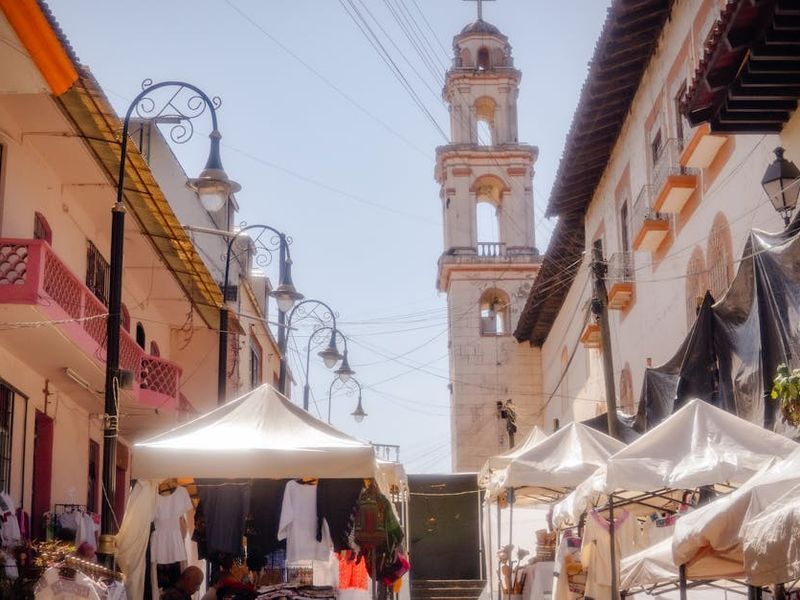
Recovery matters. Cuenca’s highland climate—often called “eternal spring”—is comfortable for rest: mild days, crisp evenings and plenty of parks and riverside walks. The UNESCO-listed historic center, cobblestone streets and scenic vistas along the Tomebamba River create a calm, restorative setting for post-procedure downtime.
For low-impact activities during recovery, consider gentle strolls around Parque Calderón, coffee in a riverside cafe, artisan markets, museum visits or short scenic drives into the Cajas National Park for lake views. The city’s accessibility and walkability mean you can recuperate without strenuous exertion, while local spas and wellness centers add options for relaxation and light post-op care.
Personalized, One-on-One Patient Care
Many clinics in Cuenca are smaller, dentist-owned practices that emphasize personalized service. You’ll often meet directly with the treating dentist rather than a rotating team. International patient coordinators manage logistics—appointments, lab timelines, pickup and drop-off—and they frequently speak English, guiding you through pre-op instructions and aftercare. This level of attention is a major draw: a tailored plan, direct communication, and an understandable timeline give peace of mind during major dental work.
Practical Trip Planning: Flights, Visas and Logistics for Canadians
Planning is straightforward. Canadians receive visa-free entry to Ecuador for up to 90 days—ideal for single or staged dental work. Major air gateways are Quito (UIO) and Guayaquil (GYE); many flights connect through U.S. cities or Panama City. From Guayaquil or Quito you can take a short domestic flight to Cuenca (about 45–60 minutes) or a scenic bus ride if you prefer ground travel.
Timing matters for implants. Standard implant protocols require healing time (osseointegration) of 3–4 months between placement and final restoration, so many patients plan either two trips (initial surgery, then return for final crowns) or select clinics that offer provisional teeth and digital workflows to reduce revisits. Crowns and veneers often fit into a single extended stay of 7–14 days depending on lab schedules and whether temporaries are used.
Sample Itineraries: Making Your Dental Vacation Efficient and Enjoyable
Here are practical templates that balance care and leisure:
- Single-trip crowns/veneers (7–12 days): Day 1 – consultation and digital scans; Day 2–3 – tooth preparation and temporaries; Day 5–9 – fit and final placement (clinic-dependent); rest and light sightseeing each afternoon.
- Implant first stage (10–14 days): Day 1 – full diagnostics and CBCT; Day 2 – implant surgery; Days 3–7 – follow-up and soft-tissue checks, light excursions; return home with post-op instructions, then schedule second-stage visit in 3–4 months for abutments and crowns.
- All-in-one options (2–3 weeks): Some clinics with advanced labs and immediate-load protocols can place implants and attach provisional prosthetics in the same visit, with final crowns delivered after healing—ideal if you want fewer returns.
Health and Safety: What to Know Before You Go
Cuenca is considered one of the safer cities in Ecuador and has robust private medical and dental infrastructure. Still, take standard precautions: verify clinic credentials and request detailed treatment plans, ask about infection control protocols, obtain pre-op health clearance from your family doctor, and ensure you have travel insurance that covers dental complications or medical evacuation if necessary.
Altitude is real—Cuenca sits around 2,560 meters (about 8,400 feet). For most people it’s manageable, but plan to arrive 24–48 hours before major surgery to acclimatize. Avoid heavy exercise for a few days post-surgery and carry any prescription meds with you in their original containers.
Questions to Ask Your Cuenca Clinic (Checklist)
- What are the dentist’s qualifications, specialties and years of implant experience?
- Can you provide before-and-after photos and patient references from international patients?
- Do you use CBCT imaging and digital implant planning software?
- Is there an in-house lab for crowns and veneers, and what materials are used?
- What is the implant system and manufacturer—do you guarantee parts and provide a warranty?
- How many visits will be required and what are the exact timelines for each stage?
- What follow-up care is included and how are post-op complications handled?
Language, Currency and Everyday Practicalities
Spanish is the official language, but many international clinics employ bilingual staff or patient coordinators who act as translators. A little Spanish for basic phrases helps, but you can comfortably navigate care with clinics that specialize in international patients.
Ecuador uses the U.S. dollar as its currency—an advantage for budgeting and conversions. Local costs for accommodation, food and transport are significantly lower than in Canada, making longer stays or return visits more affordable.
Real Value: More Than Just a Lower Price Tag
The best way to think about dental tourism in Cuenca is value—not just cheapness. For the same money or less, you can get a higher level of care: newer materials, personalized planning, faster timelines and a comfortable recovery in a culturally rich setting. That combination often means better long-term outcomes and greater satisfaction. Many Canadian patients report being able to afford full-mouth restorations or upgrading to premium ceramics because of the cost differential—treatments that would be out of reach at home become attainable.
How to Research and Choose a Clinic from Canada
Start with these steps: collect written quotes and detailed treatment plans from multiple clinics, ask for documented case studies and references, request virtual consultations (many clinics offer video calls), compare included services (transport, accommodation help, postoperative care), and read recent patient reviews on independent forums. If a price looks too low to be true, dig deeper—transparent clinics will happily explain every line item.
Final Tips for a Smooth Dental Vacation in Cuenca
- Bring copies of your dental and medical records and any recent X-rays—digital files are easiest to transfer.
- Plan arrival at least 48 hours before major procedures to acclimatize to the altitude.
- Factor in extra days for adjustments and follow-up checks—don’t book a tight return flight the day after a complex procedure.
- Confirm the warranty policy on implants and prosthetics and how repairs are handled once you’re back in Canada.
- Use clinics with clear international patient processes: airport pickup, private transport, bilingual support and written aftercare instructions.
Conclusion: Cuenca as the Premier Dental-Tourism Destination for Canadians
For Canadians seeking crowns, implants or veneers, Cuenca, Ecuador offers a uniquely attractive package: 60–70% cost savings, experienced dentists trained domestically and abroad, modern clinics with advanced technology, short wait times, and a calm, restorative city for recovery. When planned carefully, a dental vacation in Cuenca can give you outstanding long-term dental value plus the bonus of travel—turning a necessary medical procedure into a rejuvenating experience.
Start by requesting virtual consultations, compare detailed treatment plans, and consider a first short trip (crowns or veneers) to test care quality before committing to larger staged implant work. With the right clinic and planning, Cuenca can be the place where you get back your smile—and enjoy a memorable trip while doing it.
Helpful Resources
When you’re ready to dig deeper, look for clinics offering virtual consults, ask for patient referrals, and research local accommodations near the historic center to make recovery pleasant. The combination of affordability, quality and beauty makes Cuenca one of the best places in the world to plan a dental vacation.
Adam Elliot Altholtz serves as the Administrator & Patient Coordinator of the “Smilehealth Ecuador Dental Clinic“, along with his fellow Expats’ beloved ‘Dr. No Pain‘, right here in Cuenca, Ecuador, and for purposes of discussing all your Dental needs and questions, is available virtually 24/7 on all 365 days of the year, including holidays. Adam proudly responds to ALL Expat patients from at least 7:00am to 9:00pm Ecuador time, again every single day of the year (and once more even on holidays), when you write to him by email at info@smilehealthecuador.com and also by inquiry submitted on the Dental Clinic’s fully detailed website of www.smilehealthecuador.com for you to visit any time, by day or night. Plus, you can reach Adam directly by WhatsApp at +593 98 392 9606 -or by his US phone number of 1‐(941)‐227‐0114, and the Dental Clinic’s Ecuador phone number for local Expats residing in Cuenca is 07‐410‐8745. ALWAYS, you will receive your full Dental Service in English (NEVER in Spanish), per you as an Expat either living in or desiring to visit Cuenca by your Dental Vacation, plus also to enjoy all of Ecuador’s wonders that are just waiting for you to come arouse and delight your senses.