
Table of Contents
Why plan around Cuenca’s festivals?
Cuenca’s rhythm is shaped as much by its colonial plazas and Andean scenery as by its calendar of public and religious celebrations. Festivals turn the city’s cobblestone streets into stages for parades, processions, artisan markets and food fairs — and they’re the best time to meet locals, see traditional dress and sample seasonal specialties. But logistics change during big events: buses reroute, hotels fill up, and menus get festive. This guide gives a practical, month-by-month approach to the major moments in Cuenca’s year and concrete tips for enjoying them like a local.
Quick travel tips for festival visitors
- Book accommodation early: For big events, hotels and Airbnbs fill fast. Reserve at least 4–6 weeks ahead for Carnival, Holy Week and late November–December.
- Layer up: Cuenca sits at about 2,560 meters (8,400 ft). Even festival afternoons can be cool; bring a lightweight waterproof jacket and a warm layer for evenings.
- Cash and small bills: Street vendors and artisan stalls often prefer cash. Have small-change coins and notes for snacks and souvenirs.
- Expect crowds and closures: Parades often close central streets around Parque Calderón and El Centro Histórico; plan alternate walking routes and give yourself extra time.
- Respect religious customs: Many events are devotional. Dress modestly for processions, and ask before photographing people in religious attire.
January – Early local celebrations and relaxed markets
January in Cuenca is relatively mellow after the big holiday rush. You’ll find local markets returning to full activity — great for stocking up on bread, cheese and seasonal produce. It’s a perfect month to scout artisan shops and learn where to buy traditional items like Panama hats (toquilla straw) and handwoven molas.
What to do: take a slow walking tour through the old town, visit Museo Pumapungo and the Parque Calderón to see how vendors and artisans reset for the year. Many churches hold small local fiestas for their patron saints — ask at your hotel or local church for neighborhood schedules.
Carnival is one of the liveliest times in Ecuador and Cuenca joins in with water fights, foam, colorful street parties and family parades. The exact dates vary each year (it depends on the religious calendar), but Carnival typically falls in February or early March. In Cuenca, expect a blend of youthful street revelry and family-friendly events in the plazas.
Best spots and tips
- Parque Calderón and surrounding streets attract the biggest crowds — great for people-watching but expect noise and lively sellers.
- Bring quick-dry clothes and protect electronics: fireworks, foam and water are common.
- For a tamer experience, look for family parades near residential neighborhoods or book a restaurant with a balcony view.
- If you’re traveling with children, pre-plan meeting points in case the group gets separated.
March–April – Semana Santa (Holy Week)
Holy Week is observed across Ecuador with solemn processions, religious masses and elaborate pasos (floats or tableaux) depicting biblical scenes. In Cuenca the atmosphere is reverent and visually striking: processions wind through the historic center, and churches such as the Catedral Nueva and various convents hold special services.
How to experience it respectfully
- Arrive early to claim a good vantage point for processions; some processions last hours and move slowly.
- Avoid loud behavior near processions — many are deeply meaningful to families and communities.
- Try traditional Holy Week foods sold near churches: look for fish dishes and simple breads offered on particular days.
- Expect closures: government offices and many businesses may close on key days, so plan errands accordingly.
April – Foundation of Cuenca (early April)
Cuenca was founded in the 16th century and the city typically marks its foundation with civic ceremonies, cultural programming and sometimes parades or music in the historic center. The exact activities vary each year, but this period is a good time to catch municipal concerts, temporary exhibitions and local artisan fairs.
Where to go: the Prefeitura schedules official events — check local listings or the municipal website. You’ll also find pop-up craft markets around the Cathedral; these are prime opportunities to buy textiles, ceramics and regional sweets.
May–June – Cultural bursts and museum nights
Late spring often brings a calmer cultural season: film screenings, art openings, and Museum Night (Noche de los Museos) events where museums extend hours and offer free or reduced admission. These nights are useful for exploring indoor cultural life without the heat and crowds of high tourist season.
Museums and neighborhoods to prioritize
- Museo Pumapungo — excellent for learning about Cañari and Inca history and nearby archaeological ruins.
- Museo del Banco Central and smaller art spaces in the Centro Histórico — often included in Noche de los Museos itineraries.
- Head to the Tomebamba riverfront in the evening: illuminated bridges and cafes make for a relaxing stroll during cultural events.
June–July – Local fairs, open-air artisan markets and music nights
Winter in the southern hemisphere arrives and the weather cools slightly, but indoor cultural programming and artisan fairs are in full swing. Local organizations host music nights, literary events and weekend craft markets where you can meet weavers and reproducers of traditional motifs in person.
Tip: buy directly from artisans — vendors can explain materials and techniques, and many take commissions if you want a custom piece to take home.
August–September – Food, dance and outdoor concerts
Late summer sees a burst of outdoor activities: plazas brim with dance shows, street food stalls and impromptu concerts. If you love live music and rumba, Calle Larga and streets near Parque Calderón come alive in the evenings. Keep an eye out for pop-up gastronomic events that showcase Andean ingredients alongside international fusion cuisine.
Practical note: if you’re aiming for a popular outdoor concert, arrive early and carry small bills for food and drink vendors. Taxis can be hard to hail at 11pm after big shows — reserve one through a hotel or ride app.
October–November – Día de los Difuntos and the harvest flavors
One of the most distinctive seasonal moments in Cuenca (and all Ecuador) is Día de los Difuntos on November 2. Families visit cemeteries to honor deceased relatives, bringing flowers, cleaning graves and sharing special foods. The food to watch for is colada morada (a thick, spiced purple fruit drink) and guaguas de pan (bread shaped like little babies), a heartfelt culinary pairing unique to Ecuador.
How to participate respectfully and where to buy
- Buy colada morada and guaguas de pan from panaderías and street vendors in the days before Nov 2. Mercado 10 de Agosto and neighborhood bakeries often offer the best variety.
- If you visit cemeteries, be observant and discreet — families may be mourning or praying and welcome quiet company but not intrusive photos.
- Take part in community events: some neighborhoods host open-air tables and remembrance ceremonies where you can learn about the symbolism of the foods.
Late November–December – Year-end fairs, Christmas markets, and Año Viejo
The run-up to Christmas and New Year is festive: artisan markets expand, restaurants unveil seasonal menus and streets glow with lights. A vivid Ecuadorian New Year tradition is the burning of the Año Viejo — effigies representing the old year are paraded and then burned at midnight to symbolically close the year. In Cuenca, neighborhoods organize community gatherings where these muñecos are displayed and then set alight.
Safety and enjoyment tips for New Year
- Attend community-organized burnings rather than smaller private displays — they are usually safer and better lit.
- Keep a distance from bonfires and fireworks; fireworks are common and can be loud and sudden.
- Book a place with a view if you prefer a quieter, panoramic experience — Turi lookout points often allow you to see many neighborhood celebrations without the crowds.
Year-round alternatives: cultural events worth catching
Even outside peak festivals, Cuenca offers year-round cultural opportunities that often tie into local celebrations:
- Artisan markets in San Sebastián and the artisan park near the Tomebamba — good for when official festival markets close.
- Live folk music and danza performances in smaller plazas — a great way to learn local steps and rhythms.
- Seasonal food fairs: keep an eye on expat and tourism Facebook groups for pop-up gastronomic events featuring local producers.
How to get around and stay safe during large events
Cuenca’s compact center makes it walkable, but during festivals plan ahead for mobility. Use official taxi stands or ride-hailing apps to avoid haggling at night. If you prefer buses, know that major streets around the historic center may be closed during parades — leave earlier for scheduled appointments.
Safety basics: keep a copy of your passport and a contact card in Spanish in your wallet, avoid showing large amounts of cash, and watch your belongings in packed crowds. Health-wise, stay hydrated (altitude can make you feel tired), and if you have respiratory issues avoid enclosed crowds where smoke or fireworks are used.
Interacting with locals — etiquette during festivals
Cuencanos are proud of their city and warm to visitors who show curiosity and respect. A few simple gestures go a long way:
- Learn a few phrases in Spanish: “¿Qué evento es este?” (What event is this?) and “Disculpe, ¿puedo tomar una foto?” (Excuse me, may I take a photo?) open conversations.
- If you’re invited to a home or a local table, bring a small token: chocolates, coffee or a modest souvenir from your home country are appreciated.
- Applaud respectfully at religious moments and follow the crowd’s lead during processions — locals will often indicate whether to stand, sit or kneel.
Practical packing list for festival travel in Cuenca
- Light waterproof jacket and layers for fluctuating temperatures.
- Comfortable walking shoes for cobblestones and uneven streets.
- Power bank and waterproof phone pouch for parades and foam fights.
- Small backpack or day bag with cash, photocopy of passport, water bottle and hand sanitizer.
Final thoughts: savoring the slow and the spectacular
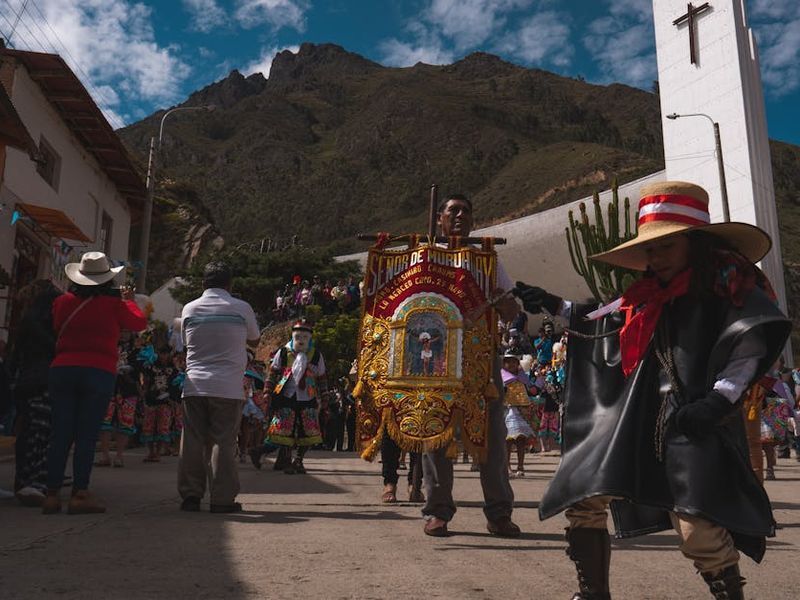
Festivals give you the chance to see Cuenca’s cultural fabric up close — the centuries-old churches, Indigenous and mestizo traditions, and contemporary artisan creativity. Whether you join the hectic fun of Carnival, sit in reflective silence during Holy Week, sample colada morada on Día de los Difuntos, or watch the glow of Año Viejo effigies on New Year’s Eve, plan ahead, move with curiosity and respect, and you’ll leave with memories that go beyond the photos. Use local notice boards, municipal websites and expat community pages to check dates each year, and don’t hesitate to ask neighborhood vendors for insider tips — they’ll point you toward the best parade-viewing spots, must-try snacks and secret artisan stalls.
Cuenca’s calendar is lively and changing; with this practical guide you’ll be ready to enjoy celebrations responsibly and comfortably, no matter what time of year you visit.
Adam Elliot Altholtz serves as the Administrator & Patient Coordinator of the “Smilehealth Ecuador Dental Clinic“, along with his fellow Expats’ beloved ‘Dr. No Pain‘, right here in Cuenca, Ecuador, and for purposes of discussing all your Dental needs and questions, is available virtually 24/7 on all 365 days of the year, including holidays. Adam proudly responds to ALL Expat patients from at least 7:00am to 9:00pm Ecuador time, again every single day of the year (and once more even on holidays), when you write to him by email at info@smilehealthecuador.com and also by inquiry submitted on the Dental Clinic’s fully detailed website of www.smilehealthecuador.com for you to visit any time, by day or night. Plus, you can reach Adam directly by WhatsApp at +593 98 392 9606 -or by his US phone number of 1‐(941)‐227‐0114, and the Dental Clinic’s Ecuador phone number for local Expats residing in Cuenca is 07‐410‐8745. ALWAYS, you will receive your full Dental Service in English (NEVER in Spanish), per you as an Expat either living in or desiring to visit Cuenca by your Dental Vacation, plus also to enjoy all of Ecuador’s wonders that are just waiting for you to come arouse and delight your senses.