
Table of Contents
Welcome to Cuenca’s Festive Year
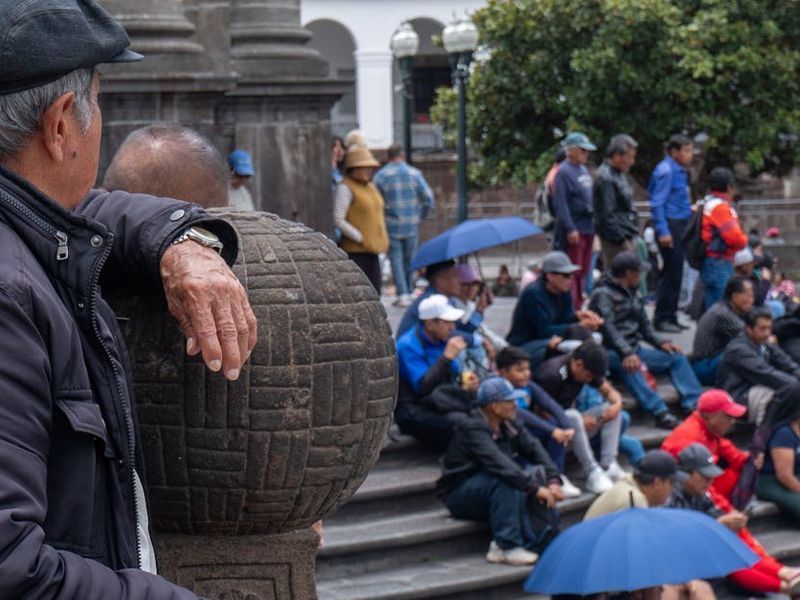
Cuenca, Ecuador’s colonial jewel high in the Andes, lives and breathes its traditions. From solemn processions that thread through the historic center to exuberant parades and neighborhood street parties, the city’s calendar is packed with celebrations that invite visitors to join in. This month-by-month guide gives you practical tips, where to go, what to eat, and how to make the most of Cuenca’s festivals and holidays.
Quick Practical Facts Before You Go
Cuenca sits at roughly 2,500 meters (8,200 feet), so the climate is spring-like year-round. Pack layers and a light rain jacket — evenings can be cool. For festival days, expect crowds and street closures in the Historic Center around Parque Calderón, and book hotels and tours early for major events (Carnival, Semana Santa, Día de los Difuntos, and the city’s independence celebrations).
Safety and Transport Basics
Use registered taxis or ride-hailing apps; keep an eye on personal belongings in crowded plazas; and allow extra time to get around when parades cut off roads. If you’re traveling from nearby towns to attend a procession or indigenous celebration, pre-book your transport and confirm pickup times.
Month-by-Month Festival Calendar and What to Do
The list below covers the most notable, recurring events and how to experience them like a local.
January — New Year Traditions and Neighborhood Parties
January starts with cozy gatherings and the Ecuadorian tradition of burning effigies (años viejos) at midnight to say goodbye to the old year. In Cuenca, small neighborhood celebrations and rooftop viewpoints around the Historic Center fill with fireworks. Join a local family or find a rooftop bar above the Tomebamba River for sweeping views.
Carnaval is lively across Ecuador and Cuenca has its own festive twists. Expect daytime water and foam battles, masquerade parades, and live music. Head to San Sebastián and the streets around Parque Calderón for the big parades, or find a neighborhood party for a more intimate experience. Bring a quick-dry jacket and protect electronics from splashes.
March–April — Semana Santa (Holy Week)
Holy Week is a deeply religious time in Cuenca. Processions with ornate statues and candlelit vigils wind through narrow colonial streets. The atmosphere is reverent — photography is acceptable but be respectful and quiet. Good viewing spots include the roads around the main cathedral (La Catedral Vieja and the new cathedral’s plazas) and the bridges over the Tomebamba for processions that move along the riverbanks.
May–June — Indigenous and Solstice Celebrations
Local indigenous communities in the Azuay and Cañar regions hold midsize festivals and solstice observances, often featuring traditional music, dances, and artisan markets. If you can travel slightly outside the city, small-town fiestas offer authentic cultural displays and the chance to buy locally woven textiles and ceramics.
August — National Independence Celebrations (Aug 10)
While August 10 marks Quito’s independence, patriotic parades and civic events are held across Ecuador, and Cuenca hosts its share of marching bands, military displays, and civic ceremonies. It’s a good chance to see Ecuadorian pageantry and vibrant school and community performances.
November — Día de los Difuntos and Cuenca’s Independence
Early November is one of the most atmospheric times to be in Cuenca. On November 2, Día de los Difuntos (Day of the Dead), families flock to cemeteries to honor loved ones. Street stalls sell colada morada (a purple spiced fruit drink) and guaguas de pan (bread shaped like infants) — tasting these is a cultural must. A few days later, the city’s own independence celebrations bring parades, music, and civic events in and around Parque Calderón. This blend of reverence and celebration makes November uniquely Cuencano.
December — Posadas, Christmas, and New Year
Posadas (processional reenactments of Mary and Joseph’s search for shelter) and nativity displays brighten neighborhoods through December. Plaza Santo Domingo and the area around the cathedral host lighting ceremonies and holiday markets. New Year’s Eve returns with fireworks and the burning of effigies; pick a riverside walkway or rooftop terrace for the best views.
Where to Watch Parades, Processions and Fireworks
Some places in Cuenca consistently provide the best vantage points:
- Parque Calderón and the terraces lining it — central, but crowded during big events.
- Bridges over the Tomebamba River — quieter and scenic for processions that move along the riverbanks.
- San Sebastián and El Barranco — bohemian neighborhoods with artisan markets and street parties.
- Rooftop bars and hotel terraces — great for fireworks and a less hectic view of parades.
Traditional Foods and Drinks to Try During Festivities
Festivals are a culinary window into local culture. Look for these seasonal favorites:
- Colada Morada and Guaguas de Pan — indispensable on Día de los Difuntos, found at street stalls and bakeries.
- Locro de papa — a warm potato and cheese soup, satisfying at cool evenings during processions.
- Empanadas and hornado — street-food staples during parades and markets.
- Canelazo — a warm spiced drink often served at outdoor winter gatherings and fairs.
Cultural Etiquette: How to Participate Respectfully
Cuencanos value hospitality and propriety. When attending religious events, dress modestly and observe silence during solemn moments. Ask permission before photographing people, especially elders and participants in ritual attire. If you’re invited to a family celebration or to share a meal, it’s polite to accept — these are the moments locals most want to share with visitors.
Planning Tips: Booking, Budgeting and Accommodation
Major festival weeks (Carnaval, Semana Santa, early November, and Christmas/New Year) draw domestic and international visitors. Book hotels and tours at least several weeks in advance. If you prefer lower prices and fewer crowds, aim for smaller community festivals outside the Historic Center or visit during off-peak months like May or September.
Budget Considerations
Expect higher prices for taxis and some restaurants during big events. Local street food is both affordable and delicious; if you’re budgeting, plan to eat like a local for a few festival meals. Many museums and attractions offer reduced hours or special programming during holidays — check schedules ahead of time.
Family-Friendly Festivals and Kids’ Activities
Cuenca’s festivals are often family-oriented. Carnival has designated children’s activities in parks, and many neighborhoods host parades with floats and music that delight young visitors. During Día de los Difuntos, families involving children in baking guaguas de pan can be a memorable experience. Bring a stroller that can handle cobblestones and keep small children close during crowded parades.
Where to Find Up-to-Date Event Information
Event schedules can shift from year to year. Reliable sources include the municipal tourist information office (Municipio de Cuenca), local newspapers, and community Facebook groups. For indigenous and rural festivities, ask at local cultural centers or nearby tourism offices; they often know schedules for smaller, authentic celebrations.
Day Trips and Nearby Celebrations
Cuenca is a hub for day trips to towns with their own traditions. Towns in the Cañar and Azuay provinces host July–August fiestas and mid-year harvest celebrations with traditional dances and music. Visiting a nearby community festival offers a more intimate look at Andean ritual and artisan crafts — consider hiring a trusted guide who speaks Spanish and can arrange transport.
Final Tips For a Great Festival Experience
Bring a reusable water bottle and snacks for long parade watching, wear comfortable shoes for cobbles, and carry a small umbrella or rain jacket. If you plan to photograph processions, use a comfortable zoom lens and stay respectful of the participants’ space. Most importantly, be open to joining local moments — a community parade, a shared street meal, or a quiet candlelit vigil — these are the experiences that make Cuenca’s festivals unforgettable.
Wrap-Up
Whether you time your visit for high-energy Carnaval, reflective Holy Week processions, the family-centered Día de los Difuntos, or the civic pride of the city’s independence celebrations, Cuenca’s festival calendar offers something for every traveler. Use this guide to plan where to go, what to taste, and how to participate respectfully — and you’ll leave with memories that feel distinctly Cuencano.
Adam Elliot Altholtz serves as the Administrator & Patient Coordinator of the “Smilehealth Ecuador Dental Clinic“, along with his fellow Expats’ beloved ‘Dr. No Pain‘, right here in Cuenca, Ecuador, and for purposes of discussing all your Dental needs and questions, is available virtually 24/7 on all 365 days of the year, including holidays. Adam proudly responds to ALL Expat patients from at least 7:00am to 9:00pm Ecuador time, again every single day of the year (and once more even on holidays), when you write to him by email at info@smilehealthecuador.com and also by inquiry submitted on the Dental Clinic’s fully detailed website of www.smilehealthecuador.com for you to visit any time, by day or night. Plus, you can reach Adam directly by WhatsApp at +593 98 392 9606 -or by his US phone number of 1‐(941)‐227‐0114, and the Dental Clinic’s Ecuador phone number for local Expats residing in Cuenca is 07‐410‐8745. ALWAYS, you will receive your full Dental Service in English (NEVER in Spanish), per you as an Expat either living in or desiring to visit Cuenca by your Dental Vacation, plus also to enjoy all of Ecuador’s wonders that are just waiting for you to come arouse and delight your senses.