
Table of Contents
Why this route matters
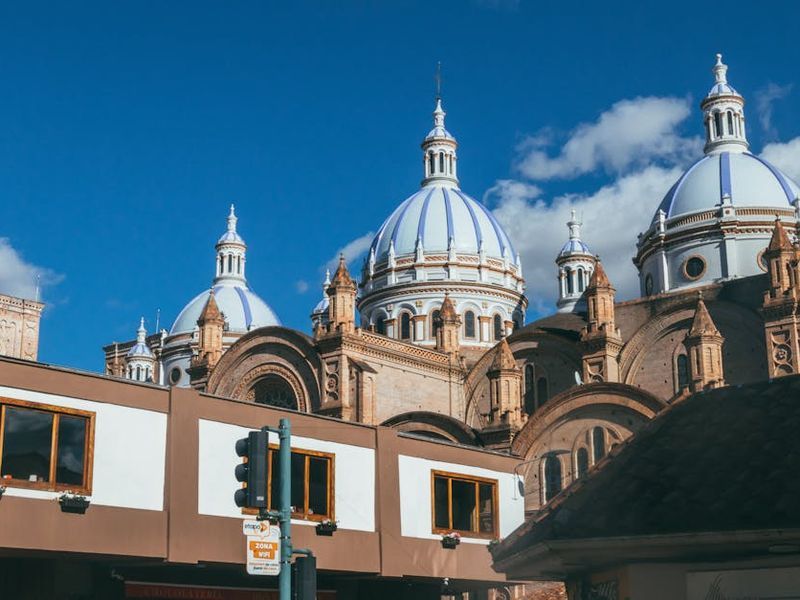
Quito and Cuenca are two of Ecuador’s crown jewels: Quito, perched high in the northern Andes with its colonial core and volcanic backdrop; Cuenca, a gentler southern highland city famed for its blue-domed cathedral, cobbled streets, and living artisanal traditions. Getting between them gives you a chance to experience dramatic Andean landscapes, historic towns, and local life. Choosing whether to go by bus, plane, or car depends on your priorities: cost, time, scenery, flexibility, and comfort. Below is a practical, up-to-date guide to help you decide and plan a smooth trip.
Quick comparison: time, cost, and comfort
At a glance, here’s what to expect for each mode of travel:
- Plane: Fastest in the air (about 45–60 minutes), but when you add airport check-in, transfer times, and baggage handling, door-to-door time increases. Best if you’re short on time or prefer to avoid winding mountain roads.
- Bus: The most budget-friendly and often the most scenic on a different scale — you see towns, markets, and the day-to-day life along the Pan-American corridor. Typical durations are 8–10 hours depending on route and stops.
- Car: Offers the greatest flexibility for detours (e.g., Cajas National Park, Alausí’s scenic train ride, or Chimborazo viewpoints). Expect a driving time of roughly 7–10 hours depending on traffic and stops. Be prepared for mountain driving and variable road conditions.
Flying: fastest but plan the full journey
Airports and airlines
Flights between Quito (Mariscal Sucre International Airport, UIO) and Cuenca (Mariscal Lamar Airport, CUE) are operated by Ecuador’s domestic carriers. The flight itself is short — under an hour — and offers spectacular aerial views of the Andes on clear days.
Pros and cons of flying
- Pros: Saves time, reliable for weather permitting, convenient if you’re continuing to other destinations.
- Cons: You still need to get to and from airports (Quito’s airport is 45–60 minutes from the city center in normal traffic). Budget flights can add up once you factor baggage fees and airport transfers.
Practical tips for air travel
- Book early for better fares, especially around Ecuadorian holidays and carnival.
- Factor in at least 2–3 hours for airport transit and check-in from central Quito, and 30–60 minutes for arrival formalities in Cuenca.
- Bring layers — aircraft cabins can be chilly, and both cities sit at high altitude.
By bus: economical and culturally rich
Where buses depart and arrive
Long-distance buses from Quito to Cuenca typically leave from Quito’s main long-distance terminal on the south side of the city. In Cuenca, they arrive at the main bus terminal, which is well-connected to the city center by taxis and local buses.
Travel time and comfort levels
The standard trip takes roughly 8–10 hours depending on the number of stops and traffic. Buses come in different classes: economy (basic seats), semi-cama (reclining seats), and executive/cama (more legroom and comfort). If you plan an overnight journey, a semi-cama or executive seat will make the trip much more restful.
Why take the bus
- Cost-effective: fares are typically the most affordable option for most travelers.
- On-the-ground experience: you pass through provincial towns, markets, and landscapes that you’d miss from the air.
- Flexibility: frequent departures make it easy to find a time that fits your schedule.
Tips for a pleasant bus trip
- Buy tickets at the terminal, through the bus company’s website if available, or via trusted local vendors. Keep a printed or digital copy of your ticket.
- Keep valuables with you in the cabin, as luggage goes under the bus.
- Bring snacks, water, a small travel pillow, and a light blanket. Restroom stops are regular but can be basic.
- Expect altitude changes and winding roads; motion-sickness medication may help.
Driving: the ultimate flexible option
Routes and driving conditions
The most direct route generally follows the Pan-American corridor and major connecting roads through Ambato and Riobamba before heading south toward Alausí and Cuenca. Roads are mostly paved and well-maintained along the main highways, but mountain stretches can be narrow and winding. During the rainy season (typically December–May in parts of the Andes), landslides or rockfalls can cause delays.
How long will driving take?
Expect between 7 and 10 hours of driving, depending on stops, traffic in and out of Quito, and the exact route. Allow extra time if you plan to explore towns en route or make detours into national parks.
Renting a car and safety tips
- Bring a valid driver’s license (an international one can help). Confirm insurance coverage with the rental company for Ecuador travel.
- Check the vehicle thoroughly before departure — tires, brakes, lights, and spare tire.
- Use GPS and download offline maps for stretches with limited signal. Signage is generally good on major routes, but smaller detours can be confusing.
- Avoid driving at night where possible; visibility and roadside facilities can be limited, and animals sometimes wander onto the road.
- Be prepared for police checkpoints and carry ID. Bribes are not common if you comply; simply have your documents handy.
Fuel and costs
Gas stations are frequent near towns and along major highways but can be sparse in remote stretches. Fill up in larger towns rather than waiting until the last minute. Factor fuel, tolls (if applicable), and possible parking fees in Cuenca into your budget.
Spectacular stops and detours between Quito and Cuenca
The route is rich with places worth pausing for — whether you want a photo stop or a full day detour. Here are some highlights that fit different travel styles:
- Latacunga and Cotopaxi views: If the weather cooperates, you can get dramatic views of Cotopaxi volcano from the highway or make a short detour to park areas near Cotopaxi National Park.
- Ambato: A good mid-route town to stretch your legs, try local fruit markets, or savor traditional dishes.
- Riobamba: A doorway to Chimborazo and an excellent base for mountain views or short hikes.
- Alausí and the Devil’s Nose: Famous for the historic train descent; even if you don’t ride the tourist train, Alausí’s scenery and railway station make for an evocative stop.
- Cajas National Park (near Cuenca): If you have time before arriving in Cuenca, this páramo landscape of lakes and moorland is perfect for day hikes and wildlife spotting.
Arriving in Cuenca: practical local tips
Getting from the bus terminal or airport into the center
From the bus terminal or airport, taxis and local buses will take you to the historic center. Taxis are plentiful; agree a fare before you get in or ensure the meter is used. The city center is compact and very walkable, but it’s built on hills and old streets, so comfortable shoes are wise.
Parking and getting around
If you drive into Cuenca, be aware that the historic center limits vehicle access in parts and parking space is at a premium. Many hotels and guesthouses offer parking or guidance on where to leave a rented car safely. Also consider using secure parking lots near the center if you want to leave the car for several days.
Safety, health, and cultural tips
- Altitude: Cuenca sits around 2,500 meters (8,200 feet) and Quito is higher. Allow a day to acclimatize if you’re coming from sea level. Drink water, go easy on heavy exertion the first day, and avoid excessive alcohol.
- Personal safety: Cuenca is generally safe for travelers, but as in any city, be mindful in crowded markets and at bus terminals. Keep copies of important documents and don’t flash valuables in public.
- Language: Spanish is the lingua franca. A few Quechua words may be heard, especially in rural markets. Basic Spanish phrases will go a long way, and locals appreciate the effort.
Sample itineraries and budgets
Here are three sample travel scenarios to illustrate how you might plan:
- Budget traveler: Overnight bus in semi-cama — depart Quito in the evening, arrive in Cuenca the next morning. Pack snacks, budget $8–25 for the ticket (prices vary). Great for maximizing sightseeing time in Cuenca.
- Time-pressed traveler: Fly one-way Quito to Cuenca. Add transfer time and taxi fares; this costs more but saves hours. Ideally, fly into Cuenca and return by bus or car if you want one scenic leg.
- Slow traveler / roadtripper: Rent a car, take two to three days, stop at Riobamba, Alausí, and Cajas National Park. Budget for fuel, accommodation, and occasional parking fees. This is the most flexible way to soak up the Andean countryside.
Final decision guide: which should you choose?
Ask yourself: do you value speed, scenery, or flexibility? Choose a flight if your priority is time and convenience. Opt for the bus if you want an affordable, authentic ground-level experience. Rent a car if you crave freedom to detour and linger at small towns or natural areas. A smart hybrid option is to fly one way and bus or drive the return — that way you get both efficiency and the pleasure of a land crossing at least once.
Packing checklist for the Quito–Cuenca route
- Layered clothing (mornings and nights are cool at high altitude)
- Motion-sickness medication if you’re sensitive to mountain roads
- Travel pillow, lightweight blanket, and snacks for bus rides
- Offline maps, phone charger, and power bank
- Copies of important documents, enough cash for small purchases in towns
Whether you choose to fly, bus, or drive, the journey between Quito and Cuenca is an opportunity to experience Ecuador’s Andean heart. Plan according to your priorities, be prepared for altitude and mountain conditions, and leave room for unexpected stops — some of the best travel memories are the detours you didn’t fully plan for.