
Table of Contents
When a sudden toothache strikes, a tooth gets knocked out, or a crown goes missing, panic can set in. moments count in many dental emergencies, and the actions you take in the first few minutes can be the difference between saving and losing a tooth. At [Your Dental Practice Name], we believe informed patients are empowered patients. This practical, search-friendly guide provides direct, actionable steps for common dental crises. Bookmark this page—it’s your essential first-aid manual for unexpected oral health issues, designed to help you immediately while you arrange professional care.
Scenario 1: A Permanent Tooth Has Been Knocked Out (Avulsion)
This is one of the most time-sensitive dental emergencies. With proper handling, an avulsed tooth can often be successfully re-implanted.
Immediate Action Steps (The First 30 Minutes Are Critical):
- Handle by the Crown Only: Pick up the tooth by the chewing surface (the crown). Never touch the root, as it contains delicate cells necessary for reattachment.
- Gently Rinse: If dirty, rinse the tooth gently with water. Do not scrub or use soap.
- Reinsert if Possible: Try to gently place the tooth back into its socket, facing the correct way. Lightly bite down on a clean cloth or gauze to hold it in place.
- If Reinsertion Fails: Place the tooth in a suitable storage medium. The best option is Hank’s Balanced Salt Solution (available in some first-aid kits). Second best is cold milk. As a last resort, place it in your mouth between your cheek and gums (for adults/older children who won’t swallow it). Do not store in water or wrap in a dry cloth.
**
⚠️ Critical Warning: Time is the enemy. The tooth’s root cells dry out quickly. Get to an emergency dentist within 30-60 minutes for the highest chance of saving it. Call our office immediately on your way.
Scenario 2: Severe Toothache or Abscess
Throbbing, persistent pain often indicates an infection (abscess) or deep decay. While you need antibiotics and definitive treatment from a dentist, these steps manage pain and prevent spread.
Immediate Relief & Management:
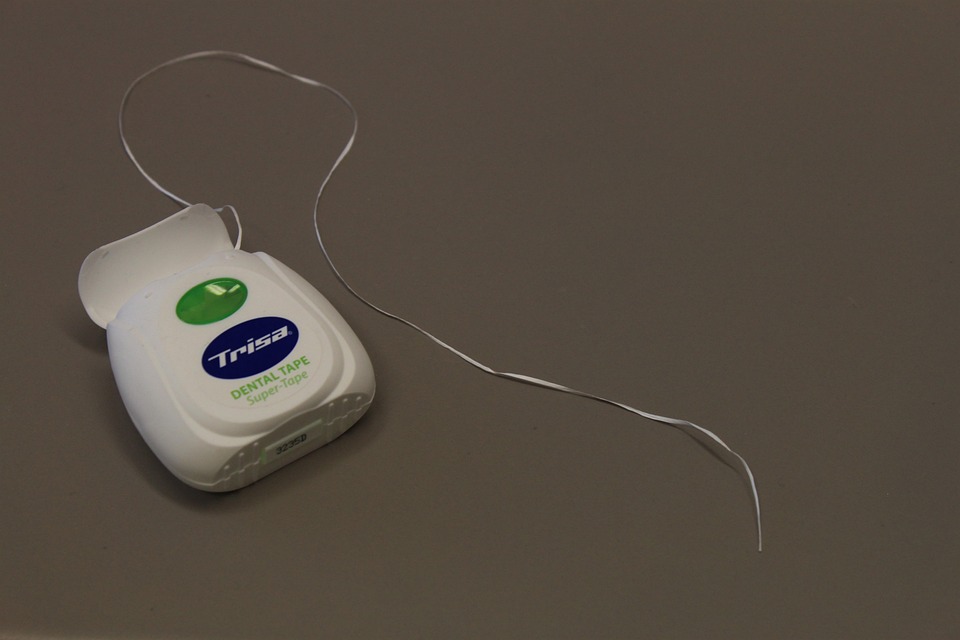
- Floss Gently: Sometimes pain is caused by trapped food. Floss carefully to remove debris.
- Rinse with Warm Salt Water: Dissolve 1/2 teaspoon of salt in a cup of warm water. Rinse for 30 seconds to reduce bacteria and soothe irritation. Repeat several times a day.
- Use Cold Compresses: Apply a cold pack wrapped in a cloth to the outside of your cheek for 15-minute intervals to reduce swelling and numb pain.
- OTC Pain Relievers: Take ibuprofen (Advil) or acetaminophen (Tylenol) as directed on the package. Avoid placing aspirin directly on the gums, as it can cause a chemical burn.
What to Absolutely Avoid:
- Do not apply heat to the area—it can spread infection.
- Do not ignore swelling in your face or jaw, as it can indicate a spreading infection requiring urgent care.
- Do not delay. An abscess is a serious infection that can become life-threatening if untreated.
Scenario 3: Lost Filling, Crown, or Inlay/Onlay
A lost restoration exposes the sensitive inner tooth structure, causing discomfort and leaving it vulnerable to further damage.
Temporary Protection Until You See a Dentist:
- Clean the Area: Rinse your mouth with warm water to remove any loose cement or debris.
- Use Dental Temporary Cement/Wax: If you have it, apply a small amount of over-the-counter dental temporary cement (like Dentemp) or dental wax to the tooth to cover the hole and reduce sensitivity.
- For a Crown: If the crown is intact, you can try to re-seat it temporarily. Apply a thin layer of temporary cement inside the crown, position it correctly, and bite down gently. Do not use super glue or household adhesives.
- Diet Adjustments: Avoid chewing on that side. Steer clear of extremely hot, cold, or sticky foods.
Even with a temporary fix, you must see a dentist within a few days. The temporary material will wear away, and the underlying issue needs permanent treatment.
Scenario 4: A Chipped or Fractured Tooth
Save any broken pieces of tooth. Rinse your mouth and the fragments with warm water.
Action Plan:
- Apply a cold compress to reduce swelling if there’s facial trauma.
- If the chip is sharp, use a piece of sugarless gum or wax to cover it and protect your tongue/cheek.
- Bring the broken tooth fragment with you to the dentist. In some cases, it can be bonded back.
- Avoid using the damaged tooth for biting.
When to Go to the Emergency Room vs. the Dentist
Understanding the distinction saves crucial time:
- Go to the ER Immediately for: Difficulty breathing or swallowing, uncontrolled bleeding, severe facial trauma (e.g., broken jaw), or a suspected head injury.
- Call Your Emergency Dentist for: Any of the scenarios above, persistent severe pain, swelling, or a broken jaw without head trauma or breathing issues. Dental offices are equipped with X-rays and tools to treat dental-specific problems far more effectively than an ER.
FAQs: Your Emergency Dental Questions Answered
Q: What if my child knocks out a baby tooth?
A: Do not attempt to reinsert a knocked-out baby tooth. It can damage the developing permanent tooth bud underneath. Control bleeding with gauze, have your child bite down on a moist tea bag (the tannins help clotting), and see a pediatric or emergency dentist immediately to assess the injury and potential damage to the permanent tooth germ.
Q: Can I use regular glue (like Super Glue) for my crown?
A: Never. Household adhesives are toxic and not designed for oral use. They can cause severe damage to the tooth’s root and pulp, making future professional repair impossible. Use only dental-specific temporary cement from a pharmacy.
Q: My toothache has subsided. Do I still need to see a dentist?
A: Absolutely yes. Pain relief is often a sign that the nerve inside the tooth has died, not that the infection is gone. The infection can continue to spread silently into the jawbone, causing an abscess and more significant damage. Always schedule an urgent appointment.
Q: Does dental insurance cover emergencies?
A: Most PPO dental insurance plans cover a percentage of emergency examinations and necessary treatments (like root canals for abscesses). Our office staff will help you file your claim and discuss payment plans for any out-of-pocket costs. We believe urgent care should not be delayed over financial concerns.
Q: What should I have in my home dental first-aid kit?
A: We recommend keeping these items on hand: dental temporary cement, dental wax, sterile gauze pads, a small container with a lid (for a knocked-out tooth), a cold pack, over-the-counter pain relievers (ibuprofen & acetaminophen), salt, and our office’s after-hours contact number saved in your phone.
Your Next Step: Contact Your Emergency Dentist
While these guides provide critical first steps, they are not a substitute for professional dental evaluation and treatment. [Your Dental Practice Name] reserves time each day for current patients and welcomes new patients experiencing dental emergencies. Our team is trained to provide rapid pain relief, diagnose the underlying issue, and implement a treatment plan to preserve your oral health.
**
Do not wait. For a dental emergency, call our office directly at [Your Phone Number] immediately. For after-hours urgent care, please follow the instructions on our voicemail or visit our website at [Your Website URL] for the emergency contact protocol.
Adam Elliot Altholtz serves as the Administrator & Patient Coordinator of the “Smilehealth Ecuador Dental Clinic“, along with his fellow Expats’ beloved ‘Dr. No Pain‘, right here in Cuenca, Ecuador, and for purposes of discussing all your Dental needs and questions, is available virtually 24/7 on all 365 days of the year, including holidays. Adam proudly responds to ALL Expat patients from at least 7:00am to 9:00pm Ecuador time, again every single day of the year (and once more even on holidays), when you write to him by email at info@smilehealthecuador.com and also by inquiry submitted on the Dental Clinic’s fully detailed website of www.smilehealthecuador.com for you to visit any time, by day or night. Plus, you can reach Adam directly by WhatsApp at +593 98 392 9606 or by his US phone number of 1‐(941)‐227‐0114 , and the Dental Clinic’s Ecuador phone number for local Expats residing in Cuenca is 07‐410‐8745 . ALWAYS, you will receive your full Dental Service in English (NEVER in Spanish), per you as an Expat either living in or desiring to visit Cuenca by your Dental Vacation, plus also to enjoy all of Ecuador’s wonders that are just waiting for you to come arouse and delight your senses.
Adam Elliot Altholtz serves as the Administrator & Patient Coordinator of the “Smilehealth Ecuador Dental Clinic“, along with his fellow Expats’ beloved ‘Dr. No Pain‘, right here in Cuenca, Ecuador, and for purposes of discussing all your Dental needs and questions, is available virtually 24/7 on all 365 days of the year, including holidays. Adam proudly responds to ALL Expat patients from at least 7:00am to 9:00pm Ecuador time, again every single day of the year (and once more even on holidays), when you write to him by email at info@smilehealthecuador.com and also by inquiry submitted on the Dental Clinic’s fully detailed website of www.smilehealthecuador.com for you to visit any time, by day or night. Plus, you can reach Adam directly by WhatsApp at +593 98 392 9606 -or by his US phone number of 1‐(941)‐227‐0114, and the Dental Clinic’s Ecuador phone number for local Expats residing in Cuenca is 07‐410‐8745. ALWAYS, you will receive your full Dental Service in English (NEVER in Spanish), per you as an Expat either living in or desiring to visit Cuenca by your Dental Vacation, plus also to enjoy all of Ecuador’s wonders that are just waiting for you to come arouse and delight your senses.