
Table of Contents
Why Cajas National Park is the ideal day escape from Cuenca
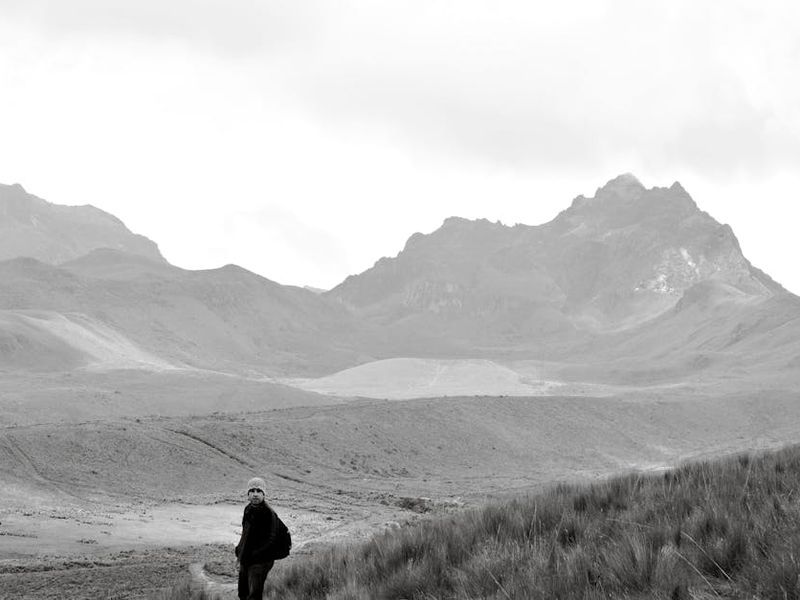
Just a short drive from Cuenca, Cajas National Park feels like an entirely different world — a windswept highland of sparkling glacial lakes, moorland grasses, and clear blue skies. With more than 200 lagoons scattered across an altitude band typically between 3,150 and 4,450 meters, Cajas packs dramatic landscapes and accessible trails into a compact protected area. For expats and travelers based in Cuenca, it’s the most rewarding full-day outing: close enough for an early start and late return, but remote enough to feel like a real mountain adventure.
Getting there from Cuenca: options that fit every budget
Reaching Cajas is straightforward, with several transport choices depending on comfort, time, and desire to explore independently.
- Organized day tour – The easiest option if you want a hassle-free trip. Tours include round-trip transport, a bilingual guide, and often a simple packed lunch. Ideal for first-time visitors who want context for what they’ll see.
- Taxi or private driver – A flexible choice if you want to spend more time at specific lakes or hike farther. Expect a 1–1.5 hour drive from Cuenca; negotiate a return time or hire for the full day.
- Public transport – Budget-friendly but less flexible. Small buses and colectivos leave from the terminal or certain points in Cuenca toward the Llaviucu valley or the Panamericana; ask locals or the tourist office for current routes and times. You’ll probably need to transfer or arrange a short taxi from the drop-off point into the park.
- Car rental – Renting a car gives you the freedom to explore off-the-beaten paths, but remember that some park roads are gravel and weather can be unpredictable. Winter-like conditions at higher elevations mean good tires and careful driving are essential.
Which entrance and trail to choose: quick primer
Cajas has several access points; the most commonly used by day-trippers leaving from Cuenca are along the Llaviucu road and the higher passes where you’ll find parking and trailheads. If you have limited time, aim for the visitor facilities near the main entrance or the parking areas that lead to Laguna Toreadora — one of the park’s easiest and most rewarding short hikes.
Trail options range from short 30–60 minute walks to full-day loops. Here are three beginner- to intermediate-friendly suggestions:
- Laguna Toreadora loop – A popular 3–5 km route that visits a shimmering lagoon, peat bogs, and offers broad panoramic views. Moderate terrain, good for most fit walkers.
- Ruta de las Lagunas – A longer network of trails connecting several small lakes. Distances vary (4–12 km loops) and terrain can be boggy; waterproof boots recommended.
- Páramo viewpoint walk – Short, steep trail from a parking area to a vista point that sweeps across highland plains and lakes. Great for photographers who want a big view without a long hike.
Wildlife and botany: what you might spot
Cajas is a páramo ecosystem — an Andean highland composed of cushion plants, grasses, peat bogs, and scattered Polylepis woodlands. The park is ecologically important as a water source for the region: many of Cuenca’s rivers begin here.
Wildlife sightings can include soaring Andean condors, caracaras, and other highland birds. Small mammals and rodents are common, and you’ll often see local herds of domesticated sheep or llamas grazing near the lakes. The fragile mosses and cushion plants that dominate the landscape are both beautiful and crucial for water retention.
Practical tips for coping with altitude and weather
Altitude is the main health consideration: the park sits well above 3,000 m and some trails rise higher. Symptoms of mild altitude sickness include headache, shortness of breath, and fatigue. If you’re newly arrived in Cuenca, spend a day or two acclimatizing before tackling high-elevation hikes.
- Hydrate well before and during the trip; avoid alcohol the night before.
- Dress in layers: temperatures can swing from sunny and warm to cold and windy within an hour.
- Bring sun protection (high-altitude sun is intense): SPF, sunglasses, and a wide-brim hat.
- If you have a history of severe altitude sickness, consult a physician about medication like acetazolamide before travel.
What to pack for a day in Cajas
A thoughtful daypack makes the difference between a comfortable trip and an uncomfortable one. Essential items include:
- Water (1–2 liters) and high-energy snacks (nuts, fruit, sandwiches)
- Insulating layers, waterproof shell, gloves and a warm hat
- Sturdy hiking boots or waterproof shoes — parts of the park are boggy
- Cash for entrance fees and small purchases (many places don’t take cards)
- Camera, binoculars, and a lightweight tripod if you’re serious about photos
- Basic first-aid supplies and any personal medication
Biking, fishing, and other activities
Cajas isn’t just for hikers. Mountain biking is increasingly popular — gravel roads and service tracks offer hard, scenic rides that take you between high lakes and puna grasslands. Bike rental shops in Cuenca can equip you for the trip, but remember the altitude adds extra strain to any effort on two wheels.
Fishing for trout is practiced in some of the park’s lakes; you’ll usually need to arrange permission or hire a local guide. If you hope to fish, check regulations in advance and respect seasonal closures to protect the park’s ecosystems.
Park rules, fees and safety reminders
Cajas is a protected national park with rules designed to preserve its fragile habitats. Typical guidelines include: stay on marked trails, take all trash out with you, don’t disturb wildlife or domestic herds, and avoid lighting fires. A small entrance fee helps support park management and the visitor centers; fees and opening hours can change seasonally, so check with the Cuenca tourist office or a reputable tour operator before you go.
Cell phone reception is spotty inside the park — download maps, share your plan with someone in Cuenca, and consider going with a guide if you’re not an experienced mountain hiker.
Best time to visit: seasons and daily timing
Cajas can be visited year-round, but weather is most stable during the dry season from June through September. Even then, afternoons are often cloudier and windier than mornings. For the best visibility and light, plan to start early: leave Cuenca by 7:00–8:00 a.m., arrive at the park with a clear morning sky, and begin your hikes to beat the winds and pop-up showers that develop later in the day.
A sample one-day itinerary from Cuenca
Use this timeline as a flexible blueprint for a satisfying day trip:
- 07:30 — Depart Cuenca (book a tour or meet your driver)
- 09:00 — Arrive at the park entrance, pay fee, check maps at the visitor point
- 09:15 — Short orientation walk to a nearby viewpoint or mirador
- 10:00 — Hike the Laguna Toreadora loop or start a longer Ruta de las Lagunas section
- 12:30 — Picnic lunch beside a lake; keep food secure from birds and wind
- 13:30 — Optional birdwatching or short bike loop (if rented)
- 15:00 — Head back toward the visitor center; a last stop at a high outlook for photos
- 16:00 — Depart for Cuenca to arrive back for dinner in the city
Photography tips: capturing Cajas’ mood
The highland light in Cajas is clean and contrasty. Bring a polarizing filter to deepen blue skies and reduce glare from the water, and work quickly in the mornings when clouds are less likely to obscure distant ridgelines. For wide landscapes, a lightweight tripod and a 16–35mm equivalent lens are ideal. If you like wildlife shots, a telephoto in the 200–400mm range helps with birds like condors or caracaras.
Supporting local communities and protecting the park
Local communities around Cajas benefit from responsible tourism. Choose local guides, buy snacks and crafts from roadside vendors in Cuenca and the Llaviucu valley, and respect grazing lands and private property near park boundaries. Small actions — using refillable water bottles, staying on trails, and leaving no trace — help preserve this unique ecosystem for future visitors.
Final thoughts: why every Cuenca resident should visit Cajas
For anyone living in or visiting Cuenca, a day in Cajas is a must-do. It’s accessible, awe-inspiring, and offers a fast reset from city life. Whether you go for the lakes, the birdlife, the biking, or simply the crisp highland air, a well-planned day trip lets you experience one of Ecuador’s most dramatic and fragile landscapes without the need for multi-day logistics. With the right clothing, an early start, and respect for the environment, Cajas delivers a memorable mountain experience just a short drive from Cuenca.
Ready to go? Check the current park hours and fees at the tourist office in Cuenca, pack your layers, and plan to leave early — and don’t forget your camera.
Adam Elliot Altholtz serves as the Administrator & Patient Coordinator of the “Smilehealth Ecuador Dental Clinic“, along with his fellow Expats’ beloved ‘Dr. No Pain‘, right here in Cuenca, Ecuador, and for purposes of discussing all your Dental needs and questions, is available virtually 24/7 on all 365 days of the year, including holidays. Adam proudly responds to ALL Expat patients from at least 7:00am to 9:00pm Ecuador time, again every single day of the year (and once more even on holidays), when you write to him by email at info@smilehealthecuador.com and also by inquiry submitted on the Dental Clinic’s fully detailed website of www.smilehealthecuador.com for you to visit any time, by day or night. Plus, you can reach Adam directly by WhatsApp at +593 98 392 9606 -or by his US phone number of 1‐(941)‐227‐0114, and the Dental Clinic’s Ecuador phone number for local Expats residing in Cuenca is 07‐410‐8745. ALWAYS, you will receive your full Dental Service in English (NEVER in Spanish), per you as an Expat either living in or desiring to visit Cuenca by your Dental Vacation, plus also to enjoy all of Ecuador’s wonders that are just waiting for you to come arouse and delight your senses.