
Table of Contents
Why Cuenca is a Gateway to Nature
Nestled in the southern Ecuadorian Andes, Cuenca is much more than a colonial city of red-tile roofs and cobblestone plazas. At about 2,560 meters (8,400 feet) above sea level, it sits at a crossroads of ecosystems — high-altitude páramo, cloud forest valleys and winding river corridors — making the city an excellent base for nature lovers. Whether you have a single free morning or a long weekend, the variety of landscapes within easy reach offers outstanding hiking, birdwatching, mountain biking and photography.
Quick Orientation: Climate, Altitude and When to Go
Cuenca’s climate is fairly steady year-round compared with many places: cool days, crisp nights and frequent micro-weather changes. Dry months tend to cluster in June–September, which are the most reliable for long hikes and clear views. The rainy season runs roughly from October through May, bringing dramatic cloud forests and lush green valleys — but expect afternoon showers and muddy tracks.
Altitude matters. Cuenca’s elevation is comfortable for most visitors, but many of the nearby natural areas rise to 3,000–4,000 meters. Allow a day to acclimatize before tackling higher trails, drink plenty of water and pace yourself.
Cajas National Park: High Lakes and Páramo Landscapes
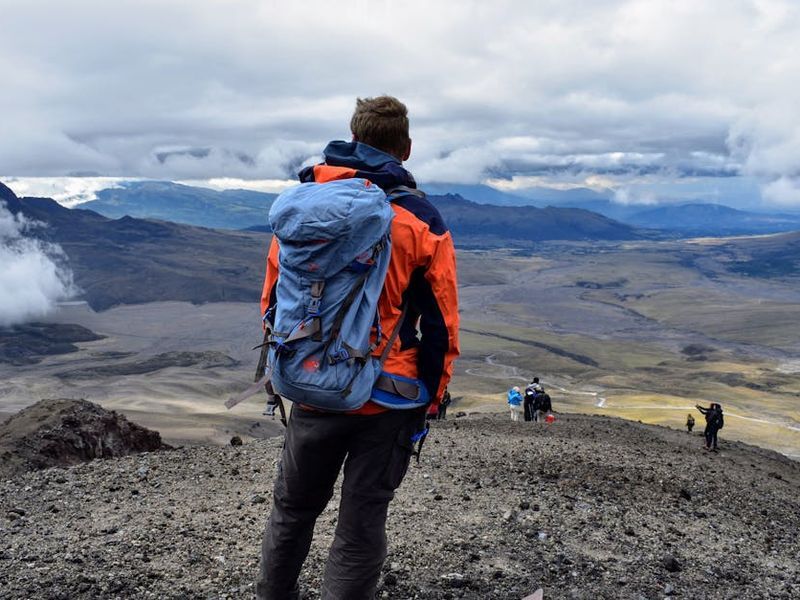
About 30–40 kilometers west of Cuenca sits Parque Nacional Cajas, one of the region’s crown jewels. This highland national park is famed for its clear, glacial lakes (lagunas), wind-swept páramo, and a web of hiking routes across moorlands and rock outcrops. The scenery is otherworldly: low, tussocky grasses, peat bogs, and shimmering lakes that reflect dramatic skies.
What to expect: panoramic vistas, brisk winds and sudden weather changes. Trails range from short viewpoint walks to full-day routes that circle multiple lakes. Bring warm layers, a waterproof jacket, sun protection and snacks — amenities are limited inside the park. Guided day trips leave from Cuenca and are a good option if you want a driver familiar with the mountain roads and local trails.
Activities and wildlife in Cajas
- Hiking: easy to strenuous circuits through lakes and highland meadows.
- Birdwatching: waterfowl and highland species; mornings are best.
- Fishing: some lakes are home to trout — ask local guides about regulations.
- Mountain biking: there are designated routes and tracks popular with experienced riders.
Tomebamba River & City Greenways: Nature Inside the City
Not all of Cuenca’s nature is far away. The Tomebamba River runs through the city center and along its banks you’ll find tree-lined promenades, small gardens and quiet bridges ideal for easy strolls. These urban greenways are perfect for a morning birdwatch or a relaxed walk after exploring the cathedral and markets.
For panoramic city views and an introduction to the surrounding valley, head to El Turi, a hilltop mirador just a short drive from downtown. From here you can orient yourself geographically and plan longer excursions into the surrounding countryside.
Rivers, Canyons and Valleys: Short Drives, Big Landscapes
The Azuay province around Cuenca is crisscrossed by rivers which carve attractive valleys and small canyons. A short drive outside the city you’ll find trails along riverbanks where local families fish and farmers tend terraces. These quieter spots are excellent for photographers looking for water reflections, local life and seasonal wildflowers.
Combine a visit to a riverside town with a walk along a lesser-known trail and a stop at a community-run viewpoint for honest, local experiences. Many of these small villages offer fresh trout, market crafts, and friendly hospitality — a great way to pair nature time with cultural immersion.
Cloud Forests and Lower-Elevation Reserves
Below Cuenca’s high grasslands lie cloud forest pockets rich in biodiversity. These zones are often a short one- to two-hour drive from the city and are prime spots for birding — hummingbirds, toucanets, and colorful tanagers are common attractions. If you’re looking for guided birdwatching, local operators offer half-day and full-day tours with expert guides who know the best feeding stations and trails.
Cloud forest trails are famously damp and covered with mosses, orchids and epiphytes. Bring insect repellent, waterproof footwear and a good camera with macro capabilities if you enjoy close-up plant and insect photography.
Podocarpus and Further Afield: Multi-Day Nature Trips
For a deeper immersion into Ecuador’s biodiversity, plan a multi-day trip to larger protected areas within a few hours of Cuenca. These national parks and reserves descend into lower montane tropical forests and host a drastically different set of species and microclimates. Multi-day hikes and overnight stays in eco-lodges let you explore trails at dawn and dusk — the best wildlife-viewing hours.
When planning longer excursions, book accommodations and guides in advance. Many of these parks are managed by local communities and small conservation organizations, and your visit supports sustainable tourism and habitat protection.
Practical Tips: Getting There, What to Pack and Safety
Getting around: Cuenca makes a convenient base. Cajas is accessible by public bus from the city’s main terminal, but many travelers prefer organized tours, shared shuttles or private taxis for speed and convenience. For more remote destinations and multi-day trips, hiring a knowledgeable local driver or guide is recommended.
Packing essentials: layered clothing (temperatures swing), waterproof outerwear, sturdy hiking boots, a hat and sunscreen, a refillable water bottle, basic first-aid supplies, and binoculars for birding. If you plan to bike or horseback ride, confirm gear rentals in advance.
Safety and acclimatization: spend a day in Cuenca to adapt to altitude, ascend gradually where possible, and avoid heavy exertion on your first day. Weather in the highlands changes fast — check forecasts, start hikes early to avoid afternoon thunderstorms, and tell someone your plans. Respect local signage and park rules, and never leave waste behind.
Responsible Travel: Protecting What You Visit
Nature around Cuenca is fragile. Many trails cross wetlands and highland meadows that take years to recover from erosion. Follow Leave No Trace principles: stay on marked paths, carry out all trash, and avoid disturbing nests or wildlife. Support local guides and community-run tourism projects — reciprocity helps protect landscapes and provides income for conservation efforts.
If you encounter community-run eco-lodges, consider staying a night or joining a workshop. These initiatives often include guided nature walks, traditional meals and artisan demonstrations that deepen your understanding of place while contributing economically.
Sample Itineraries for Different Kinds of Nature Lovers
One-Day Explorer (Easy)
- Morning: Riverside walk along the Tomebamba and visit El Turi for valley views.
- Afternoon: Stroll through a nearby community trail and sample local trout in a riverside village.
Active Day Trip (Moderate)
- Early start to Cajas National Park for a half-day hike past highland lakes; picnic and birdwatching.
- Return to Cuenca for dinner and a restful evening.
Weekend Immersion (Multi-Day)
- Day 1: Scenic drive to a cloud forest reserve, afternoon birding and night in an eco-lodge.
- Day 2: Full-day guided hike in the reserve; return via a craft town to experience local culture.
Photography, Birding and What to Look For
Photographers will love the contrasts: bright Andean skies over dark peat bogs, misty cloud forest light, and intimate portraits of local flora. Early mornings deliver the best light and the most active wildlife. For birders, local guides can take you to feeders and known perches where hummingbirds and tanagers congregate. Bring a telephoto lens for birds and a wide-angle for sweeping landscapes.
Final Thoughts: Make Time to Explore Slowly
Cuenca’s natural wonders are richest when you slow down. Rather than ticking off destinations, pick one or two areas to explore deeply. Talk to local guides, accept an invitation to a community trail, or rise before dawn for the quiet hours when wildlife is most active. With thoughtful planning, Cuenca becomes more than a starting point — it becomes a place where you can return to nature, again and again.
Whether you’re a birdwatcher, hiker, photographer or cyclist, the mountains, lakes and forests around Cuenca offer a range of experiences that reward curiosity and respect. Pack your layers, find a local guide, and leave room in your schedule for an unplanned viewpoint — often the most memorable moments are the unexpected ones.