
Table of Contents
Why Cuenca makes a perfect base for day trips
Cuenca’s compact historic center, modern services, and highland location make it an ideal hub for exploring southern Ecuador. Within one to two hours of the city you can trade colonial streets for lake-blue landscapes, ancient stonework, and lively craft markets. Whether you travel by shared bus, colectivo, or private driver, each route offers a slice of Andean life and scenery distinct from the city’s UNESCO-listed architecture.
How to choose the right day trip for your pace
Start by deciding what you want out of the day: a strenuous hike in high alpine terrain; a relaxed market-and-lunch excursion; or a culturally rich visit to archaeological sites. Weather, altitude and travel time matter: Cuenca sits at roughly 2,560 m (8,400 ft), while some nearby destinations rise above 3,500 m. If you are sensitive to altitude or have limited time, pick lower-altitude options or go slowly.
Practical travel modes and costs
- Public buses: cheap (often under $3–$6 one-way), depart from Cuenca’s Terminal Terrestre or local stops; expect basic comfort and multiple stops.
- Colectivos: shared vans for short hops—fast and inexpensive but leave when full.
- Private driver or taxi: $30–$80 for a full day depending on destination and negotiation; best for flexible schedules and photography stops.
- Organized tours: $25–$70 per person, often include entrance fees, guide, and hotel pickup—good for hassle-free visits.
1. El Cajas National Park: lakes, páramo, and easy to wild hikes
Driving time from Cuenca: 30–50 minutes. Difficulty: options from easy boardwalks to full-day treks.
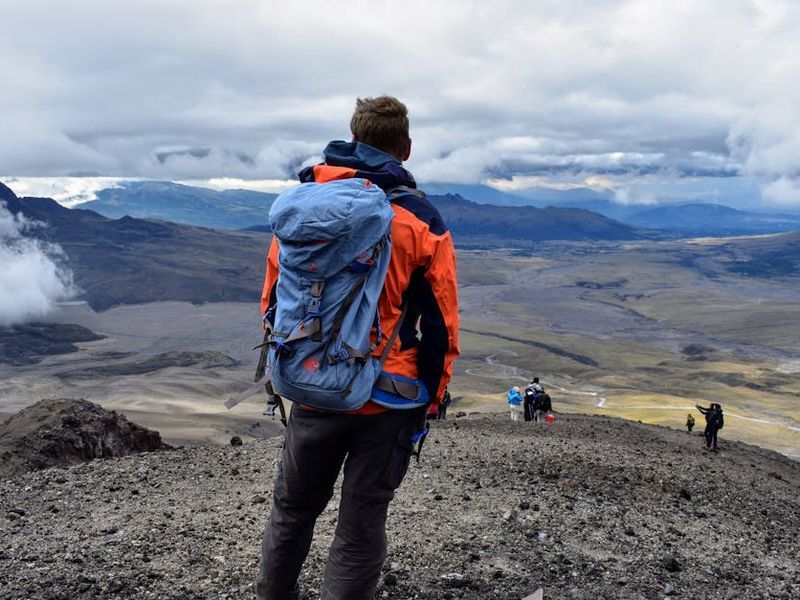
El Cajas is the crown jewel for nature lovers. A mosaic of hundreds of glacial lagoons set in páramo grasslands, the park is perfect for birdwatchers, photographers and hikers. Popular short walks include circuits around Laguna Toreadora and Laguna Llaviucha; for a more ambitious outing, plan a half- or full-day trek to the higher lakes.
What to expect: cool, changeable weather (wind, drizzle, bright sun can all happen in hours), thin air at higher elevations, and dramatic cloudscapes. Wildlife includes Andean waterfowl, caracaras and occasional llamas and wild deer. There’s a small park entrance fee and a short drive from Cuenca to the park gate via a reliable paved road.
Packing tips: layered clothing, waterproof shell, sturdy hiking shoes, sunscreen, water and snacks, and binoculars for birds.
2. Ingapirca Archaeological Complex: Ecuador’s largest Inca site
Driving time from Cuenca: 1.5–2 hours. Difficulty: easy walking around ruins, some steep stone steps.
Ingapirca is the most famous archaeological site in Ecuador and a satisfying cultural half-day or full-day trip. The principal structure—often called the Temple of the Sun—illustrates the local Cañari culture’s interaction with the Incas. A compact interpretive museum near the entrance offers context before you explore the ruins, terraces and stonework laid out on a low ridge.
Tips for your visit: hire a licensed local guide at the site to learn the nuanced history (guides are affordable and add a lot to the experience), arrive early to avoid the midday crowds and sun, and bring cash for entrance fees and market stalls nearby. Many visitors combine Ingapirca with a stop in the nearby town of Cañar for lunch or to see local markets.
3. Gualaceo & Chordeleg: a day of crafts, cafes and markets
Driving time from Cuenca: 45–75 minutes (depending on route). Difficulty: easy, walking through towns and markets.
If you want to shop Ecuadorian handicrafts or see traditional artisans at work, this pair of towns is hard to beat. Gualaceo hosts a bustling market full of textiles, fresh produce and leather goods, while Chordeleg is renowned for silver filigree jewelry and small workshops where you can watch jewelers solder and polish pieces.
Useful tips: bargain politely at local markets, compare several shops before choosing jewelry or textiles, and try regional snacks—fresh fruit, empanadas and hornado (slow-roasted pork) are common lunch options. If you’re traveling with limited luggage, many artisans will carefully pack purchases for safe transport back to Cuenca.
4. Girón: colonial charm and a quieter pace
Driving time from Cuenca: 20–35 minutes. Difficulty: easy, short walks on cobblestones.
For a relaxed, close-to-home escape, Girón’s lovingly preserved colonial architecture, stone bridges and riverside views make for a pleasant half-day trip. The town’s greens, modest churches and viewpoints are photogenic without the bustle of Cuenca’s centro histórico. Local bakeries serve excellent breads and sweets—perfect for a picnic.
Combine Girón with a short hike or a visit to a nearby small hacienda for coffee and local conversation. Because it’s so close, Girón works well as an afternoon outing following a morning in Cuenca, or as a stop en route to other southern destinations.
5. Llaviucu & local reservoir trails: quick nature fix
Driving time from Cuenca: 15–30 minutes. Difficulty: easy to moderate depending on trail.
For those short on time who still want a taste of the outdoors, the Llaviucu area offers short lakeside trails and forested pockets. It’s a popular spot for locals to walk, run, and picnic. On weekends you’ll find families enjoying the views; weekdays are quieter for birdwatching and photography.
Bring insect repellent and a hat—the lower elevation than El Cajas means slightly warmer, but sunny skies still call for sunscreen. Llaviucu makes a convenient warm-up hike before tackling higher-altitude trails in the region.
6. Paute and the surrounding highland valleys: landscapes and local life
Driving time from Cuenca: 45 minutes to 1.5 hours depending on exact stops. Difficulty: easy driving and walking.
The Paute Valley and neighboring communities reward travelers who appreciate dramatic Andean valley vistas, agricultural terraces and small-town life. Paute itself is known for its impressive hydroelectric facilities and river gorges, while surrounding parishes host occasional craft fairs and roadside markets.
Consider pairing a scenic drive through the valley with stops at small coffee growers or family-run restaurants offering hearty local plates such as mote and roasted meats. While not as tourist-oriented as other spots, this region gives a more authentic glimpse into working highland Ecuador.
7. Market mornings: local markets around Cuenca
Driving time from Cuenca: 10–90 minutes depending on the market. Difficulty: easy; crowded in peak hours.
Every weekday and weekend, towns around Cuenca host colorful markets selling food, clothing and artisanal goods. Popular markets include the Wednesday market in Azogues and the weekend fairs in Gualaceo. Markets are social hubs—perfect to sample fresh cheese, roasted corn, fruit, and street foods while practicing your Spanish and bargaining skills.
Market etiquette: carry small bills and coins, be prepared to walk and stand, and ask before photographing people or stalls. Markets are excellent for picking up inexpensive souvenirs and for encountering regional specialties not often seen in Cuenca’s tourist shops.
8. Combine-and-conquer itineraries
With smart planning you can combine several nearby stops into a full, satisfying day. Here are sample itineraries to match different travel styles:
- Nature-focused day: Early morning to El Cajas for sunrise light, picnic at a lagoon, late-afternoon descent and dinner back in Cuenca.
- Culture-and-crafts day: Start in Ingapirca, have lunch in Cañar, then spend the afternoon in Chordeleg and Gualaceo for shopping.
- Relaxed village day: Morning in Girón for pastries and views, stop at a small hacienda for a farm tour, finish with a lakeside walk at Llaviucu.
When to go: seasons and timing tips
The dry season (June–September) offers the most reliable hiking conditions and clearer skies for scenic drives and photography. However, Cuenca’s climate is mild year-round—expect brief afternoon showers in the wet season (October–May). Start early: many day trips are best begun between 7:00 and 8:30 a.m. to maximize daylight and avoid return traffic. For markets and artisan workshops, weekends and mornings are often the liveliest times.
Safety, accessibility and local customs
General safety is good on most day-trip routes: stick to main roads and official parking areas, and secure belongings while in markets. If you plan to hike in remote sections of El Cajas or similar high places, tell someone your route, carry a charged phone and consider joining a guided group.
Accessibility varies: historic sites and village streets often have cobblestones or steep steps, so they can be challenging with mobility issues. Many tourist operators offer private vehicles and flexible stops if you need a gentler pace.
Respect local customs: dress modestly in smaller towns, ask permission before taking photos of people, and support local artisans by buying directly from workshops when possible. A little Spanish will go a long way—phrases like “¿Cuánto cuesta?” and “Gracias” open doors and smiles.
What to pack for a perfect day trip
- Layers and a waterproof jacket—weather changes quickly in the highlands.
- Comfortable hiking shoes or sturdy sneakers for uneven trails.
- Sunscreen, sunglasses and a hat for high-altitude sun exposure.
- Reusable water bottle and snacks; food options can be limited outside Cuenca.
- Small bills and coins for entrance fees, local purchases and tips.
- A camera or smartphone with extra battery or power bank—the light and landscapes are excellent for photography.
Final tips for memorable day trips
Hire a local guide when visiting cultural or ecological sites—you’ll learn details that guidebooks miss, and you’ll support local economies. Pace yourself; even if a site seems close on a map, mountain roads add time and weather can slow you down. Above all, leave a little room for serendipity: unexpected roadside viewpoints, impromptu markets, and warm conversations with locals are the highlights that make day trips from Cuenca unforgettable.
From shimmering highland lagoons to centuries-old stonework and bustling artisan markets, Cuenca’s surroundings offer a wealth of discovery within easy reach. Pick the day that matches your mood, pack smart, and you’ll return to the city with stories, photos, and perhaps a handcrafted treasure or two.