
Table of Contents
Why Cuenca is the perfect base for exploring southern Ecuador
Cuenca’s charming colonial center, reliable transport options and central location in the southern highlands make it one of Ecuador’s best home bases for day trips. From moody highland lakes and ancient Inca ruins to thriving artisan workshops and quiet mountain villages, you can experience very different landscapes in a single day without spending hours traveling.
This guide highlights seven routes you can comfortably do as day trips from Cuenca, with practical details on how to get there, what to expect, what to pack, and tips to make the most of each outing.
Quick planning essentials
Before jumping into the destinations, a few practical points that apply to all day trips from Cuenca:
- Altitude: Cuenca sits at about 2,560 meters (8,400 ft). Some destinations climb higher — bring layers and move slowly at first if you’re not acclimatized.
- Weather: The highlands can change fast. Even sunny mornings can become windy, misty or rainy by afternoon. Pack a warm jacket, rain shell and sun protection.
- Transport: Options include public buses from the Terminal Terrestre, colectivos or shared taxis, private drivers, and organized tours. Short hops may cost a few dollars by bus; expect higher rates for private drivers or small-group tours.
- Cash: Small towns often prefer cash, especially for market stalls, food and entrance fees. Carry small bills (USD) and coins.
1. El Cajas National Park — glacial lakes and dramatic hiking
Why go: El Cajas is the most obvious natural escape from Cuenca, with hundreds of glacial lagoons set across a moorland-scattered plateau. It’s ideal for hikers, photographers and birdwatchers.
What to expect
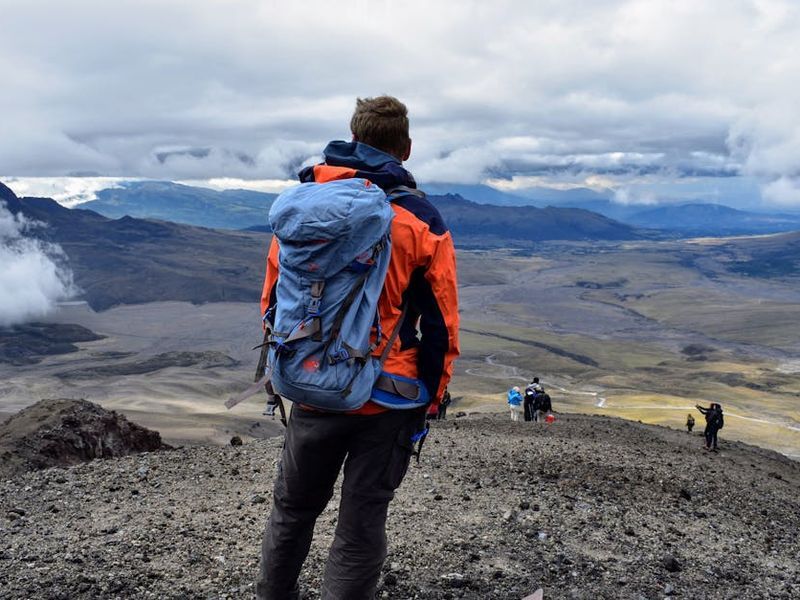
Short drives (roughly 30–60 minutes from central Cuenca) bring you into an otherworldly landscape of rolling tussock grass, peat bogs and reflective lakes. Trails range from short 30–60 minute walks to longer hikes that can take several hours. The scenery is often brisk, misty and photogenic.
Practical tips
- Entrances: There’s a small entrance fee for visitors in most parts of the park; bring a few dollars.
- Clothing: Dress in layers, wear waterproof hiking shoes, and carry water and snacks. The ground can be muddy.
- Wildlife: Look for Andean waterfowl, small rodents and numerous highland plants. Bring binoculars for birds.
- Time: A half-day focused on the nearby lagoons is realistic; a full day lets you walk deeper into less-visited areas.
2. Ingapirca — the largest Inca site in Ecuador
Why go: Ingapirca is the most important archaeological complex in Ecuador, where Cañari and Inca cultures intersect. The stone architecture and panoramic valley views tell a story of empire, resistance and adaptation.
What to expect
The site’s best-known structure is the Temple of the Sun, a circular stone construction thought to have astronomical functions. A visitor center explains the history, and the short, interpretive trail around the ruins offers scenic overlooks that are especially photogenic in late-afternoon light.
Practical tips
- Getting there: Expect about 1.5–2 hours by road each way from Cuenca. Regular minibuses and tourist shuttles connect the two, or hire a private driver for flexibility.
- Guides: A local guide can add context about Cañari and Inca life; guides are available on-site.
- Timing: Morning or late afternoon visits avoid mid-day crowds and provide better light for photos.
- Combine it: Many travelers combine Ingapirca with a stop in nearby Cañar towns to see local crafts and markets.
3. Gualaceo & Chordeleg — artisan towns, markets and trout dinners
Why go: This valley east of Cuenca is a living craft corridor. Gualaceo boasts a lively market and textile tradition, while Chordeleg is famous for silver jewelry and filigree work — a wonderful stop for gift hunting and cultural encounters.
What to expect
Wandering market stalls, watching artisans at their benches and enjoying fresh mountain trout at a riverside restaurant are highlights. You’ll find handwoven textiles, embroidered goods, leather pieces and finely made silver jewelry — often at better prices than in the city.
Practical tips
- Markets: Market schedules vary by town and season. Weekends are busier, but smaller weekday markets can be less overwhelming.
- Bargaining: Haggling is common; start lower and negotiate politely. Many vendors list prices for more expensive items like jewelry.
- Try the food: Look for local trout (“trucha”), mote (hominy) dishes and fresh juices. Street snacks are delicious and inexpensive.
- Travel: Gualaceo is around 45–60 minutes from Cuenca by bus or car; Chordeleg is a short ride from there and worth a combined visit.
4. Girón — colonial architecture, local life and canyon vistas
Why go: Girón is a quiet, picturesque colonial town that feels like a step back in time. Narrow streets, old balconies and a tranquil plaza make it a great low-key escape from Cuenca’s tourist bustle.
What to expect
There are easy walks through the town to see traditional houses, an old church and viewpoints over surrounding valleys. Many visitors also use Girón as a jumping-off point for short local hikes and photo-friendly landscape views.
Practical tips
- Getting there: About a 40–60 minute drive from Cuenca. Local buses and colectivos run regularly.
- Cafés and plazas: Spend a relaxed few hours enjoying local cuisine in the plaza or sampling homemade ice cream sold by street vendors.
- Combine it: Pair Girón with a visit to nearby lookout points or waterfalls for a varied day.
5. Oña — small-town charm and off-the-beaten-path hiking
Why go: Oña is one of those small highland towns that rewards curious travelers with unexpected colonial architecture, friendly locals and gentle nearby hikes. It’s an excellent choice if you want fewer tourists and authentic regional life.
What to expect
Stroll the plaza, visit a local church, and if you’re up for it, take a short mountain hike to discover rural vistas and quiet hamlets. Oña’s slower pace makes it a restorative counterpoint to busier destinations.
Practical tips
- Travel time: Expect around 1.5–2 hours by road from Cuenca, depending on the route.
- Local interactions: Small markets and bakeries are great places to practice Spanish and learn about local customs.
- Day hike: Pack water, snacks and sturdy shoes for short hikes; trails are usually informal and unmarked.
6. Paute Valley — river views and hydroelectric history
Why go: The Paute valley blends dramatic river scenery with small towns where local life revolves around agriculture and the river itself. A scenic drive along the valley reveals terraced fields, canyon viewpoints and opportunities to try traditional dishes in family-run restaurants.
What to expect
Viewpoints over the river and engineered landscapes are highlights; some travelers enjoy a relaxed lunch stop in town before returning to Cuenca. It’s a good option for photography, peaceful walks and a glimpse into regional infrastructure and industry.
Practical tips
- Roads and viewpoints: Roads follow the valley and can be winding. Keep an eye out for roadside viewpoints for photos.
- Food stops: Small eateries serve hearty mountain fare; fish and pork dishes are common.
- Combine with artisans: Some day trippers pair Paute’s vistas with stops in Gualaceo or Chordeleg on the return.
7. Hidden waterfalls and local hot springs — seek out neighborhood gems
Why go: The highlands around Cuenca hide many waterfalls, thermal pools and short nature walks — ideal for a restorative day in nature without long drives. These spots are often enjoyed by locals rather than tourists.
What to expect
Depending on the site, you might find a short hike through cloud forest, a natural pool to dip in, or a small café serving hot coffee and local pastries. These micro-adventures are flexible and make great last-minute options.
Practical tips
- Ask locally: Your guesthouse, hostel or a taxi driver can recommend current favorites — these spots change with seasons and water levels.
- Safety: Trails can be slippery; bring sturdy footwear and avoid swimming after heavy rains.
- Combine: Plan to spend only a few hours and keep the rest of the day for a market or museum visit in Cuenca.
Sample itineraries for different travelers
Not sure how to structure a day? Here are a few sample plans that fit different interests and energy levels.
Nature lover (active)
- Morning: Early bus to El Cajas for a 3–4 hour loop hike and lake photography.
- Afternoon: Return to Cuenca, stop at a local restaurant for trout and mote.
- Evening: Rest and visit a quieter viewpoint near the city for sunset.
Culture and shopping (laid-back)
- Morning: Head to Gualaceo and Chordeleg to explore markets and silversmiths.
- Afternoon: Take a relaxed lunch by the river and browse workshops for handmade textiles and jewelry.
- Evening: Return to Cuenca with souvenirs and a new appreciation for Ecuadorian craft.
History buff (easy pace)
- Morning: Drive to Ingapirca; guided visit of the ruins and the museum.
- Afternoon: Stop in a nearby town for coffee and regional dishes before heading back.
- Evening: Read up on Cañari and Inca history or visit Cuenca museums.
Packing list and practical advice for any day trip
Bring these essentials for comfort and safety on most day trips from Cuenca:
- Layered clothing and a waterproof shell — weather shifts fast.
- Sturdy shoes for uneven trails and wet ground.
- Sunscreen, hat and sunglasses — UV can be strong at altitude.
- Water, snacks, and any necessary medications (altitude can increase fatigue).
- Cash in small bills for market purchases, entrance fees and tips.
- A fully charged phone and a portable charger — GPS helps in rural areas.
Safety, etiquette and sustainability
Southern Ecuador is generally safe for travelers, but common-sense precautions apply: keep valuables out of sight, use licensed taxis or arrange transport through reputable providers, and let someone know your plans for the day if you’re heading into remote areas.
When visiting markets and small communities, show respect: ask before photographing people, support local artisans by paying fair prices, and avoid single-use plastics when possible. These small steps help keep these islands of culture thriving for visitors and residents alike.
Final tips: making the most of each day trip
Start early to avoid crowds and make the most of daylight. If you’re short on time, pick one destination and explore it thoroughly rather than trying to squeeze multiple stops into a single day. And don’t be afraid to ask locals for recommendations — Cuenca’s vendors, drivers and hosts often have the best tips for little-known viewpoints, market days and the freshest trout.
With this mix of nature, culture and history, every day trip from Cuenca can feel like a new chapter of Ecuadorian life. Whether you’re an expat building out a weekend routine or a visitor on a tight schedule, these destinations deliver memorable experiences without long, exhausting travel days.