
Table of Contents
Why spend a week in Cuenca?
Cuenca is one of Ecuador’s most charming cities: a UNESCO-listed colonial center tucked into the southern Andes at about 2,560 meters (8,400 ft). A week gives you time to savor the city’s cobbled plazas and museums, sample traditional food, and take relaxed day trips into cloud forests, highland lakes and artisan towns. This guide helps you structure seven days so you see the highlights without rushing.
Quick facts to know before you go
Cuenca is compact and walkable—most visitors stay inside or near the Historic Center. Ecuador uses the US dollar, so you won’t need currency exchange if you’re coming from the United States. The altitude is real: drink water, avoid heavy exertion on day one, and wear sunscreen—the sun is stronger at elevation. Taxis are cheap and convenient; look for official yellow taxis with meters. Many nationalities receive a tourist stay on arrival, but always verify visa rules for your country before travel.
Best time to visit
Cuenca has comfortable, spring-like temperatures year-round, but the months with the least rain are generally June through September. If you want greener landscapes and fewer crowds, shoulder months like May and October can be ideal. Keep in mind that some religious and civic festivals draw crowds (and lively processions)—these can enhance your visit if you like local culture.
How to get there and get around
Cuenca’s airport (Mariscal Lamar) receives flights from Quito and Guayaquil; longer-distance bus services link Cuenca to both cities and the coast. Trains are limited; overnight buses are a flexible option if you’re on a tighter budget.
Within the city the Historic Center is extremely walkable—plan to stroll its plazas, arcades, and bridges. For farther-flung sites, taxis are affordable, and ride-hailing apps operate intermittently; official taxis with meters are reliable. There’s also a modern tram line that serves parts of the city, and local buses for budget travel.
Top neighborhoods to stay in
- Historic Center (Centro Histórico): Steps from Parque Calderón and the cathedral. Ideal for first-time visitors who want to be in the heart of things.
- Calle Larga & Nearby Streets: Trendy cafés, art galleries and boutique shops—good for food and nightlife.
- El Barranco: Riverside area with charming walks and restaurants along the Tomebamba River.
- Turi and Mirador Areas: A little farther up the hill with sweeping views over the city—great for quieter guesthouses and sunsets.
7-day sample itinerary
Below is a flexible, full-week plan that balances sightseeing in Cuenca with scenic day trips and cultural experiences.
Day 1 — Arrival and gentle orientation
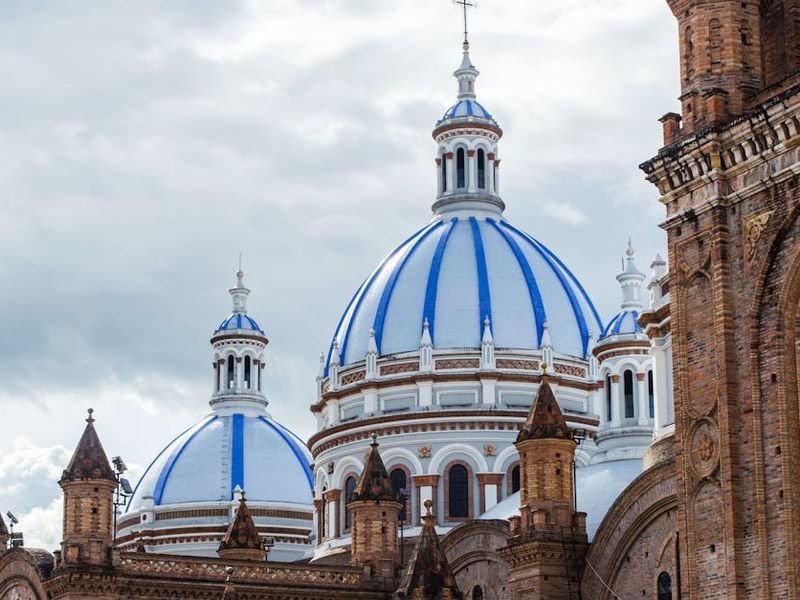
Arrive, check into your hotel, and take it easy. Spend the afternoon in Parque Calderón: admire the New Cathedral’s blue domes and the Old Cathedral’s bell tower. If you have energy, climb one set of cathedral towers for a panoramic view across red tile roofs. Finish with coffee at a rooftop café and an early dinner in Calle Larga or by the river.
Day 2 — Museums, markets and a walking tour
Start at Museo Pumapungo to explore archaeological displays and recreated indigenous gardens; the site includes pre-Columbian ruins and living exhibits. Walk the nearby artisan markets—perfect for locally woven textiles and souvenirs. Join a local walking tour (including free “pay-what-you-want” options) to learn about the city’s architectural history and hidden courtyards. For lunch, eat at a bustling municipal market to try locro de papa (potato and cheese soup) or a traditional hornado plate.
Day 3 — Cajas National Park day trip
Spend a day in Parque Nacional Cajas, the otherworldly highland park about 30–60 minutes from the city (depending on the trailhead). Choose a lake-side walk or a longer hike among moorland, peat bogs and dozens of glacial lakes. Birdwatchers should scan for Andean waterfowl and hummingbirds. Pack warm layers, waterproof shoes and snacks; weather can change quickly. Many tours include a guide and pickup from your hotel.
Day 4 — Ingapirca ruins and Cañar province
Take a guided excursion to Ingapirca—the largest known Inca archaeological site in Ecuador—to see the distinctive Temple of the Sun and stonework blending Cañari and Inca architecture. Combine this visit with stops in small mountain towns to watch local agriculture and sample home-style cooking. The drive is scenic, and a private driver or organized tour makes the most of the day.
Day 5 — Artisan towns: Gualaceo and Chordeleg
Drive east to Gualaceo and Chordeleg, two traditional towns famous for crafts. Gualaceo has colorful textile markets and handwoven goods; Chordeleg is celebrated for filigree silver jewelry and small goldsmith workshops. Watch artisans at work and buy directly from makers if you can—prices are fair and bargaining is polite. On the way back, stop for coffee at a roadside finca (farm) to taste fresh-roasted beans.
Day 6 — Food, chocolate & hands-on workshops
Dedicate a day to Cuenca’s growing culinary and artisan scene. Join a chocolate- or coffee-making workshop where you’ll learn about bean-to-bar processes and roast profiles. Consider a cooking class to master Ecuadorian favorites like ceviche (coastal-style) or a hearty Andean stew. In the evening, catch live music at a small venue or enjoy a casual tasting menu in one of the city’s intimate restaurants.
Day 7 — Mirador, last-minute shopping and departure
On your last morning, hike or taxi up to the Mirador de Turi for a sweeping city panorama—great for sunrise or sunset photos. Use your final hours for souvenir shopping in the markets or a peaceful riverside walk along the Tomebamba. Allow extra time for airport transfer and a relaxed last meal before you head out.
Eat like a local: dishes and tips
Cuenca’s food scene mixes highland specialties with modern dining. Don’t miss:
- Locro de papa: a creamy potato-and-cheese soup.
- Hornado: slow-roasted pork typically served with hominy or plantains.
- Cuy: roasted guinea pig, a traditional Andean delicacy—try it once for the experience.
- Fresh fruit juices and coffee: thanks to Ecuador’s varied climate, fruit juices are vibrant and coffee is excellent.
Municipal markets are the best places for authentic, cheap meals; higher-end restaurants concentrate around Calle Larga and the riverfront. Tipping around 10% is customary at sit-down restaurants.
Practical tips and safety
- Altitude: Take it slow on your first day. If you get mild headaches, hydrate and rest.
- Sun protection: Use sunscreen and a hat—UV is intense at altitude.
- Health: Tap water in Cuenca is generally treated, but many travelers prefer bottled water.
- Safety: Cuenca is safer than many big Latin American cities, but keep normal precautions: avoid flashy jewelry, watch your belongings in crowded markets, and use licensed taxis at night.
- Money: Carry small bills for markets and taxis. Credit cards are widely accepted in urban restaurants and hotels.
Where to splurge and where to save
Splurge on a boutique hotel in an atmospheric colonial building or a multi-course dinner with local wines. Save at markets, street-food stalls and by taking public buses or shared shuttles to nearby attractions. Day tours typically include transportation and guide fees—compare prices, check reviews and ask what’s included before you book.
Packing checklist for a week in Cuenca
- Layered clothing (light fleece, rain jacket, breathable shirts)
- Comfortable walking shoes with grip
- Sunscreen, lip balm and a sun hat
- Reusable water bottle
- Small daypack for hikes and day trips
- Plug adapter and portable charger
- Copies of passport and travel documents
Photography and cultural respect
Cuenca’s streets, plazas and markets are endlessly photogenic, but always ask permission before photographing people, especially indigenous craftspeople in smaller towns. Be mindful of religious processions and private spaces. Learning a few Spanish phrases—“buenos días,” “por favor,” “gracias”—goes a long way with locals.
Special-interest ideas (stretch your week if you can)
If your schedule is flexible, consider these additions:
- Birdwatching: The highlands and cloud forests near Cuenca are excellent for endemic species and hummingbirds.
- Photography tours: Sunrise and sunset in the Historic Center and at the Miradors are spectacular.
- Volunteer experiences: Short-term volunteering with educational or environmental groups can deepen your understanding of the region.
Final thoughts: making the most of your week
A week in Cuenca is the sweet spot: long enough to slow down, taste local life, and explore the distinctive landscapes around the city. Take a balanced approach—mix museum days and city strolls with active hikes and artisan visits—so you leave with enduring memories and a sense of how people live in this part of the Andes. Above all, embrace the relaxed pace: Cuenca rewards curiosity and lingering over coffee.
Ready to plan your trip? Start with one or two big day trips (Cajas and Ingapirca are excellent choices), pepper in food- and market-focused days, and leave space for spontaneous discoveries. By the end of the week you’ll feel like you really know Cuenca—its streets, its flavors, and its people.