
Table of Contents
Why a weekend in Cuenca works
Cuenca’s compact historic center, lively food scene, and proximity to highland nature make it ideal for a short trip that feels rich and unhurried. The city sits at about 2,560 meters (8,400 ft), which keeps temperatures mild year-round and makes it pleasant to stroll from morning coffee to late-night tapas. In a single weekend you can taste traditional Ecuadorian dishes, visit top museums, wander riverside promenades and still have time for a half-day trip into the Andean páramo.
How to plan: timing, weather, and mobility
Book accommodation inside or very close to the historic center (near Parque Calderón or Calle Larga) to maximize walking time. Pack layers: mornings can be chilly, afternoons pleasantly warm, and evenings cool. Bring comfortable walking shoes; cobblestone streets and uneven sidewalks are common. Many museums close on Mondays, so plan your museum visits for Saturday or Sunday. Carry small denominations of US dollars (Ecuador’s currency) for markets, taxis and tips.
Friday evening: settle in and get oriented
Arrive in late afternoon to watch golden hour spill across the cathedral domes. A casual first night is perfect: find a café on Calle Larga—a lively pedestrian street lined with shops and terraces—grab a cup of locally grown coffee and a light bite. If you’re hungry for a proper dinner, look for places serving hornado (slow-roasted pork) or locro de papa (creamy potato soup). After dinner take a short stroll to the banks of the Tomebamba River to see the lit bridges and colorful colonial facades reflected in the water.
Saturday morning: markets, cathedral and museums
Start early at the Central Market near the main square to witness daily life and try traditional breakfast items like empanadas de viento (airy fried turnovers) and freshly squeezed fruit juices. Walk across to the New Cathedral with its unmistakable blue domes; climbing the towers provides a panoramic view over the city’s red roofs and surrounding mountains.
From the cathedral, head to Museo Pumapungo and its adjacent archaeological gardens for an easy, informative morning. The museum blends ethnography, colonial artifacts and Inca-era ruins. Tip: the small crafts market near Pumapungo is a great place to buy woven goods, ponchos and hand-painted ceramics sold by artisans—perfect for unique souvenirs.
Saturday afternoon: riverside lunch and artisan neighborhoods
For lunch, pick a riverside restaurant in the Barranco neighborhood—this stretch along the Tomebamba features restored houses with terraces, coffee shops and small galleries. Try helado de paila (traditional hand-churned sorbet) as a refreshing afternoon treat. Afterward, explore small galleries and workshops; Cuenca is known for artisans who work in textiles, hat weaving (the famous toquilla straw hats), and silver jewelry.
Consider visiting the Museo del Banco Central to see pre-Columbian gold and ceramic collections; the displays are well curated and not overwhelming, making it a good stop if you want deeper cultural context without spending an entire day in museums.
Saturday evening: music, tapas and nighttime views
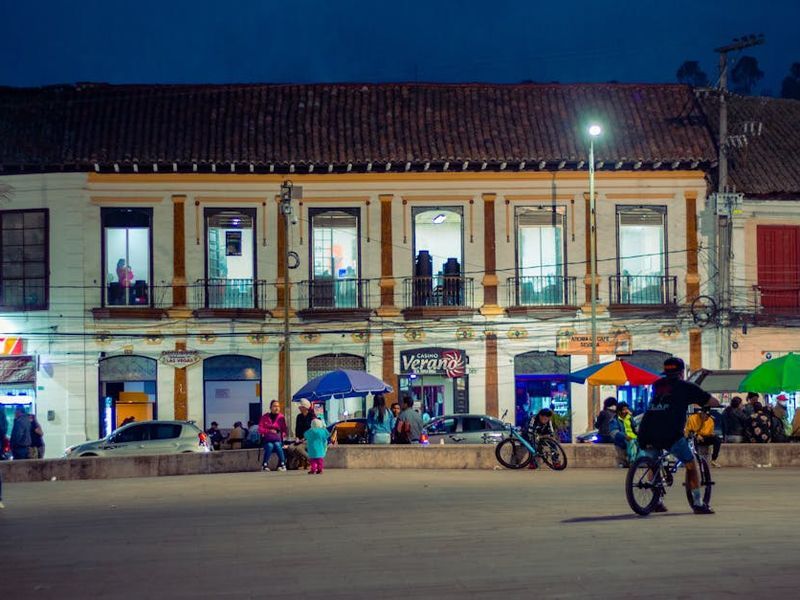
As twilight falls, wander back to Calle Larga or the plazas around Parque Calderón where many restaurants and bars offer satellite live music—everything from local acoustic sets to jazz and folk ensembles. Cuenca’s nightlife is relaxed and friendly; you’ll find spots mixing traditional Ecuadorian music with modern sounds. If you prefer a quiet night, take a short taxi or uphill walk to Mirador de Turi for sweeping night views of the city lights.
Sunday morning: day trip choices—Cajas or artisan towns
Sunday is ideal for a half-day or full-day excursion. Two standout options are:
- Parque Nacional Cajas — About a 45-minute drive from Cuenca, Cajas offers sprinting lakes (lagunas), rolling páramo, and short loop hikes. Popular trails like the Llaviucu and Toreadora loops access scenic lakes and birdlife. Dress warm; weather changes fast and can be windy and misty. Pack snacks and water; guided options include pickup from central Cuenca.
- Gualaceo and Chordeleg — Small artisan towns 30–40 minutes away by bus where you can shop for fine silver jewelry (Chordeleg) and handwoven textiles and traditional Panama hat workshops (Gualaceo). Buses run frequently from Cuenca’s terminal and fares are modest.
If you prefer to stay in town, use Sunday morning to visit a neighborhood market or take a guided walking tour focused on Cuenca’s architectural history and the influence of the Inca and colonial periods.
Sunday afternoon: riverside strolls and last bites
Return to Cuenca in the afternoon for an easy riverside stroll. The bridges over the Tomebamba—each with their own character—are pleasant spots for photography. Stop at Parque Calderón again to people-watch, then head to a nearby restaurant to try fritada (fried pork served with hominy and plantain) or, if you’re adventurous, cuy (guinea pig), a traditional highland delicacy often prepared crispy and served with potatoes.
Finish your weekend with dessert: try a local chocolate tasting (Ecuador is famous for cacao) or a second helping of helado de paila from one of the artisanal ice cream vendors in the historic center.
Hidden gems and offbeat options
Beyond the classic sights, a couple of lesser-known experiences give great local flavor. Visit a small workshop of sombrero weavers to learn how Panama hats are made—the term “Panama hat” is a misnomer; most of these hats are woven in Ecuador using toquilla straw. Seek out a contemporary art gallery in the historic center for a snapshot of Ecuador’s modern creative scene. Finally, if you have time, take an hour to relax in a cozy café and watch the city’s rhythms—Cuenca’s charm often shows in its quiet corners.
Practical tips: transport, safety and health
Transportation: The historic center is highly walkable. Taxis are inexpensive for short hops; agree on a fare or ensure the meter is used. For day trips to Cajas or the artisan towns, look for shared vans, tour operators, or regular buses leaving from the terminal. Ride-share apps and local taxi apps operate in Cuenca if you prefer cashless rides.
Safety: Cuenca is generally safe for visitors. Use common-sense precautions—watch your belongings in crowded markets, and avoid poorly lit side streets late at night. Many expats and long-term visitors enjoy walking after dark in central areas without issue, but always trust your instincts.
Health: The city’s water is treated and many locals drink tap water; if you have a sensitive stomach, opt for bottled or filtered water. The altitude can cause mild breathlessness or fatigue—stay hydrated, move at a slower pace on hikes, and avoid heavy exertion when you first arrive.
Money and connectivity
Ecuador uses the US dollar. Cash is king at small markets and for taxis; many restaurants and shops accept cards but always carry a few small bills. SIM cards from local providers (Claro, Movistar) are inexpensive and available at shops; buying a local SIM and data plan makes navigating the city and checking transit schedules straightforward. Free Wi-Fi is common in hotels, cafés and restaurants, but speeds vary.
Final suggestions to make the most of your weekend
Balance structured sightseeing with pockets of spontaneity: schedule must-see stops like the cathedral and Pumapungo, but allow time to linger in a café, browse an alley of artisan shops, or accept a local’s invitation to a neighborhood bar. If you only have one weekend, prioritize one cultural highlight and one natural experience—say, Museo Pumapungo plus Cajas—and leave room for leisurely meals and riverside views. That contrast between city culture and Andean landscape is what makes Cuenca such an instantly memorable weekend destination.
With historic plazas, artisan markets, excellent food and breathtaking mountain scenery within an easy drive, Cuenca rewards slow exploration. Whether you’re a first-time visitor or a frequent returner, a well-paced weekend can feel like a meaningful mini-immersion into Ecuadorian highland life.