
Table of Contents
Why Cuenca’s Markets Are a Must-Visit
Cuenca’s markets are living classrooms: a swirl of colors, aromas and conversations that reveal the city’s highland agricultural richness and artisan traditions. Whether you’re an expat settling in, a visitor sampling local flavors, or a home cook looking for seasonal staples, exploring Cuenca’s markets is the fastest way to understand regional food and craft culture.
The markets are where farmers and craftspersons bring the season’s best to the city, from mountain-grown potatoes to delicate tagua jewelry and handwoven alpaca shawls. This guide walks you through the key places to shop, what to buy, and how to make the most of the market experience in Cuenca.
The Central Hub: Mercado 10 de Agosto
Mercado 10 de Agosto is Cuenca’s most famous market and a practical first stop. Located a short walk from the historic Parque Calderón, it’s a bustling indoor complex where you’ll find stalls packed with fresh produce, meats, dairy products and a full lineup of food stalls serving desayunos (breakfasts) and almuerzos (lunches).
Why visit: the sheer variety. Expect dozens of potato varieties, heaps of fresh herbs, local cheeses (queso fresco and cuajada), and fruits like naranjilla, uchuva (goldenberry), tree tomato (tomate de árbol) and seasonal berries. Meat counters sell pork for traditional hornado and cuts for seco de chivo, and fish stalls offer trout from nearby mountain farms.
Practical tips for Mercado 10 de Agosto:
- Go early (7–10am) for the freshest produce and the friendliest prices.
- Bring small bills and coins—many stalls expect cash (USD is Ecuador’s currency).
- Try a market breakfast: a plate of mote (hominy), hornado sandwiches or a warm empanada with locally made cheese.
- Keep your bag zipped and watch for pickpockets in crowded aisles.
Artisans and Souvenirs around the Historic Center
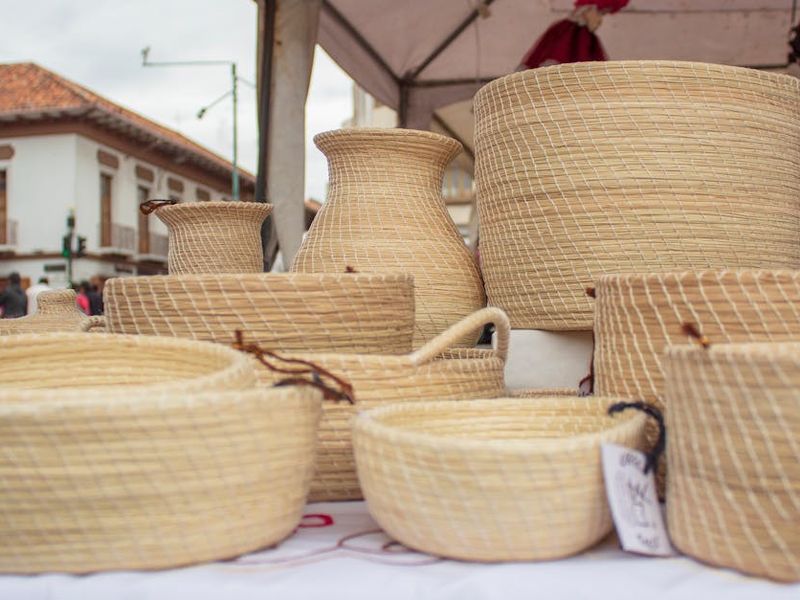
Cuenca’s historic center—around Parque Calderón, Calle Larga and the cathedral—has long been a magnet for artisans. Rather than a single enclosed venue, this is a network of small galleries, street stalls and municipal craft stands where local artists sell woven textiles, pottery, jewelry and Panama-style hats (authentic Ecuadorian toquilla straw hats).
What you’ll find:
- Handwoven garments: alpaca and sheep wool sweaters, ponchos and scarves in both traditional and contemporary designs.
- Tagua and rustic jewelry: tagua (vegetable ivory) and native seeds carved into beads and bracelets.
- Ceramics and copperware: decorative plates, cups, and artisan copper kitchen items.
- Toquilla hats: authentic, graded by weave quality—perfect for gifts if you want something truly Ecuadorian.
Buying tips for artisan stalls:
- Inspect the quality: check seams, weave tightness, and finishing on garments. For hats, examine the weave density and labeling.
- Bargain respectfully: a 10–20% negotiation is normal on crafts, but be mindful of fair prices for artisan labor.
- Ask about materials: alpaca vs. sheep wool differ in warmth and price; ask if items are hand-dyed or machine-made.
Farmers’ Fairs and Pop-Up Markets: When and Where
Beyond permanent markets, Cuenca has lively farmers’ fairs and pop-up artisan markets—often on weekends—where producers bring seasonal and organic goods directly to customers. These fairs are especially good if you prefer small-scale farms, organic produce and prepared foods like artisanal cheeses, baked goods and preserves.
What to expect at a farmers’ fair:
- Direct contact with growers: you can ask about growing methods, seasonality, and recipe ideas.
- Unique items: pickles, fruit preserves, small-batch honey, goat cheese and handcrafted breads.
- Sample-friendly shopping: many vendors offer tastes—perfect for deciding what to buy.
Insider tip: arrive mid-morning for the best selection and a social atmosphere—these fairs are as much about meeting neighbors as they are about buying food.
What to Buy: Fresh Produce Worth Hunting For
Cuenca’s highland location means a wide range of Andean produce is available year-round, plus subtropical fruits grown in surrounding valleys. Here are some items to prioritize and why they’re special:
- Papas (potatoes): Ecuador has hundreds of potato varieties. Try different colors and textures for soups, stews and mashed dishes.
- Quinoa and Andean grains: local quinoa, mote (hominy), and barley can be used in traditional stews or modern salads.
- Uchuva and tree tomatoes: tangy fruits that make excellent jams, sauces, or fresh additions to salads.
- Fresh herbs: cilantro, culantro and native herbs are pungent and far superior to supermarket bundles.
- Cheeses and dairy: buy fresh queso fresco and cuajada for breakfasts and baking; many vendors sell lightly aged cheeses as well.
- Vegetables: an array of greens, broad beans (habas), corn (choclo) and native tubers like melloco and oca.
Crafts to Look For: Authentic, Local, and Sustainable
Cuenca’s artisans blend Indigenous techniques with contemporary design. When shopping for crafts, prioritize items that are handmade and sustainably produced:
- Alpaca and wool textiles: look for items marked as 100% alpaca for softness and durability.
- Toquilla straw hats: labeled by weave quality, ranging from casual to ultra-fine “Montecristi” grades.
- Tagua jewelry: eco-friendly and distinctive; tagua is harvested like fruit and carved into beautiful beads.
- Handmade ceramics: functional kitchen ware and decorative pieces with local motifs.
Ask vendors about origins and production methods. Small workshops often combine traditional skills with fair-trade practices—support those whenever possible.
How to Navigate, Buy, and Bargain Like a Local
Markets in Cuenca are friendly but fast-paced. Use these practical strategies to shop efficiently and respectfully:
- Bring cash—especially small denominations—and a reusable tote or cloth bag for produce.
- Learn a few Spanish phrases: “¿Cuánto cuesta?” (How much?) and “¿Me puede dar un poco de descuento?” (Can you give me a small discount?) will open doors.
- Haggling etiquette: negotiate modestly on crafts. For produce, prices are usually fixed, but buying in quantity can earn you a small discount.
- Inspect items closely: for clothing, check labels and seams; for food, smell and ask about freshness and storage.
- Compare prices: don’t buy the first item you see unless you’re sure—shop around a bit to understand the market rate.
Safety, Transport, and Practical Logistics
Markets are generally safe, but they are crowded areas where petty theft can occur. Keep these common-sense tips in mind:
- Carry only the cash you need and leave passports and valuables in a secure place.
- Use a money belt or zipped bag, and keep your phone out of sight while negotiating or paying.
- Take a taxi back with larger purchases or use a delivery service—many craft stores will pack and ship items for you.
- If you’re walking in the historic center, plan markets into a broader day of sightseeing—many vendors open early and close by mid-afternoon.
Cooking with Market Finds: Easy Recipe Ideas
Bring your market purchases home and try these simple recipes that highlight local ingredients:
- Quinoa and roasted vegetable bowl: use local quinoa, roasted potatoes, sweet peppers and a citrus-tree-tomato dressing.
- Hornado-style pulled pork tacos: buy roasted pork from a market stall or slow-roast pork shoulder at home; serve with pickled tree tomato salsa.
- Andean potato mash: combine two or three potato varieties for color and texture, fold in queso fresco and fresh herbs.
- Uchuva jam and toast: casual preserves make delightful gifts—just sugar, fruit and a slow simmer.
Attending a market tour or a local cooking class can be a great way to translate ingredients into authentic dishes if you’re newer to Ecuadorian cooking.
Seasonality and the Best Times to Shop
Cuenca’s highland climate provides consistent access to many staples year-round, but certain items have clear seasonal peaks:
- Warm months and rainy seasons often bring more abundant fruit harvests, including berries and tropical fruits.
- Potato and tuber diversity increases after planting cycles; look for fresh new-season tubers at markets after the rainy season begins.
- Handmade goods are often timed to holiday cycles: December and June markets may showcase special festive items.
Weekends typically feature the liveliest markets and special fairs; if you prefer fewer crowds, shop weekday mornings.
Connecting with Local Food and Craft Communities
For expats and long-term residents, markets are more than shopping spots—they’re hubs for social connection and learning. Here are ways to deepen your relationship with Cuenca’s market culture:
- Join a weekly market co-op or food subscription if you want a steady supply of local produce.
- Volunteer with community gardens or producers’ groups to learn growing practices and seasonal rhythms.
- Take a craft workshop—many artisans offer short classes on weaving, hat-making or tagua carving.
- Follow local market Facebook groups or community bulletin boards for pop-up markets and specialty sales.
Final Tips: Enjoy the Experience
Visiting Cuenca’s markets is as much about people as products. Slow down, sample the local cuisine, ask vendors about recipes, and support small producers when you can. Whether you’re hunting for the perfect alpaca sweater or the freshest bunch of cilantro, the markets of Cuenca will reward your curiosity with a window into Ecuadorian life.
Pack a reusable bag, brush up on a few Spanish phrases, and set aside a morning to walk the aisles—your senses will thank you, and you’ll bring home ingredients and souvenirs that tell a richer story than anything you could buy in a supermarket chain.