
Table of Contents
Why Cuenca’s Markets Are Worth Exploring
Cuenca’s markets are more than places to buy groceries or souvenirs — they’re living snapshots of the southern highlands. At market stalls you’ll meet farmers from nearby páramo and valley communities, sample fruits you’ve never seen before, and discover handwoven textiles, silver filigree jewelry, and straw hats made by local artisans. Whether you’re an expat stocking a kitchen or a visitor looking for authentic keepsakes, the city’s markets offer unbeatable variety, color, and value.
Practical Tips Before You Go
Before you head out, a few practical notes will make your trip smoother:
- Bring cash — smaller stalls often accept only cash (USD is Ecuador’s currency), and coins are handy for quick purchases.
- Go early — vendors set out their best produce in the morning; aim for 7–10 a.m. for peak freshness and selection.
- Bring reusable bags or a foldable tote — markets may provide plastic, but reusable bags are sturdier and eco-friendlier.
- Learn a few Spanish phrases — “¿Cuánto cuesta?” and “¿Me puede dar una prueba?” (Can I taste a sample?) go a long way.
- Wear comfortable shoes and be mindful of busy aisles — markets can get crowded and lively.
The Central Produce Hub: Mercado 9 de Octubre
Located near the historic center, Mercado 9 de Octubre is the go-to market for everyday produce and traditional ingredients. Rows of stalls brim with potatoes of every shape and color, fresh corn, herbs like cilantro and perejil, and local fruits such as naranjilla, uchuva (goldenberry), and granadilla when in season.
Practical details: buyers come for bulk staples like beans, rice, and cured meats as well as prepared foods — look for vendors selling soups, empanadas, and smoked trout. If you’re preparing a typical Ecuadorian dish at home, this market has both the ingredients and the know-how: don’t hesitate to ask vendors how to cook an unfamiliar vegetable.
What to Expect and How to Choose
Inspect green produce for vibrant color and firmness. For root vegetables and potatoes, check for soft spots and excess dirt (a little soil is normal and often indicates freshness). If you’re buying fruit to ripen at home, ask the vendor for recommendations on ripeness and storage — they’ll often share tips specific to the item.
Artisanal Finds Near Parque Calderón: Plaza de las Artesanías
Just a short walk from the Cathedral and Parque Calderón is Cuenca’s Plaza de las Artesanías, a concentrated area of stalls and small shops selling handicrafts. This is a great place to shop for finished pieces like ceramic plates, hand-painted tiles, and small souvenirs that are easy to pack.
What stands out here are the woven goods and small decorative items — look for alpaca scarves and lightweight wool sweaters for the cooler evenings at altitude. Ask about the origin of the materials (alpaca, sheep wool, or acrylic blends) and inspect stitching carefully for quality.
How to Spot a Quality Toquilla Straw Hat
Cuenca is a good place to buy toquilla straw hats (commonly called Panama hats). Quality indicators include tightly woven straw with no loose fibers, a thin and flexible brim, and a fine, uniform weave. The hat should bend slightly without cracking and have a neat inner band. If you’re serious about a fine hat, compare several stalls and ask about the weave year (finer weaves take longer to make and command higher prices).
Pumapungo and Indigenous Crafts Near the Museum
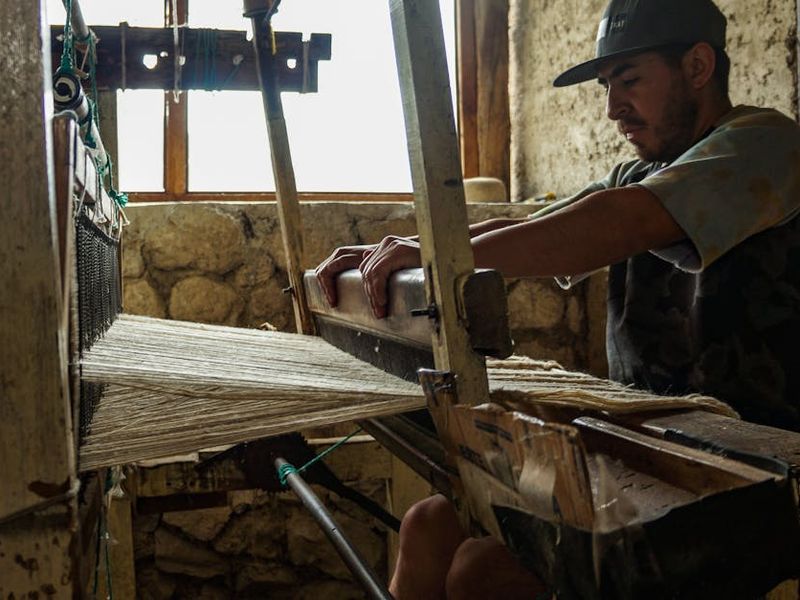
The Pumapungo Museum and archaeological park is more than a cultural site — the area around it often hosts vendors from indigenous communities offering handwoven textiles, pottery, and traditional goods. These sellers typically bring pieces from nearby highland towns, so it’s a great spot to find rug-like weavings and embroidered items with regional patterns.
Because items often come directly from artisans, you may find unique pieces you won’t see in the tourist plazas. While prices can vary, remember that buying directly supports traditional craft-making families.
Neighborhood Markets and Small-Scale Grocery Shopping
Outside the big markets, small neighborhood mercados and pulperías are excellent for day-to-day shopping. Neighborhood stalls in areas like San Blas and San Sebastián serve residents with a mix of produce, bakery items, and ready-made meals.
These smaller markets are perfect for picking up fresh eggs, a small bundle of herbs, or a single fruit. They’re also less crowded and offer a glimpse into local life away from the tourist trail.
Weekly and Seasonal Artisan Fairs
Cuenca’s cultural calendar includes periodic artisan fairs and weekly markets that attract craftspeople from across Azuay province. These events often set up at plazas or parks and are terrific for finding one-of-a-kind jewelry, hand-carved woodwork, and specialty foods like local honey and preserves.
Keep an eye on local listings and social media groups for dates — fairs are especially common around holidays and cultural festivals when artisans travel to Cuenca to sell their work.
Day Trips for Serious Shoppers: Chordeleg and Gualaceo
For shoppers looking for deeper dives into Ecuadorian craftsmanship, two nearby towns deserve day-trip status. Chordeleg (about 45–60 minutes by car) is famous for filigree silver and goldsmithing — expect finely detailed earrings, pendants, and bracelets. Gualaceo is known for textiles and ceramics; its local markets and artisan shops offer larger rugs, tablecloths, and pottery that represent traditional Azuay motifs.
Both towns are accessible by local bus or organized tours, and bargaining is common — but keep negotiations friendly and mindful of the artisan’s time and materials.
What to Buy: Produce, Pantry Staples, and Crafts
If you’re stocking a kitchen, prioritize these items at Cuenca markets:
- Fresh herbs (cilantro, mint, culantro) for soups and ceviches.
- High-altitude potatoes and tubers — great for hearty stews and the classic llapingachos.
- Local fruits: uchuva (goldenberry), granadilla, naranjilla and seasonal stone fruits.
- Andean grains and staples like mote, quinoa, and corn.
For crafts, look for:
- Toquilla straw hats and woven bands.
- Alpaca and sheep-wool garments — check labels to confirm fiber content.
- Chordeleg silver filigree jewelry and Gualaceo textiles.
- Ceramics and hand-painted tiles for home decor.
Smart Shopping: Prices, Bargaining, and Ethical Buying
Bargaining is part of the market culture, but the approach varies. For fresh produce, vendors usually price items reasonably and expect smaller haggles. For handmade crafts, it’s common to negotiate — start at about 10–20% below the asking price and work toward a middle ground. If you see a piece you love, consider the artisan’s effort and materials; paying a fair price supports local craftspeople and helps keep traditions alive.
Ask directly where items are made. Many vendors bring goods from nearby villages; buying directly from those artisans — when possible — channels more income to the creator. If a vendor claims an item is “antique,” request provenance. Antiques command higher prices and should come with clear explanations of origin.
Transporting and Storing Market Finds
If you buy large ceramic pieces or fragile items, ask the vendor for wrapping — many markets provide bubble wrap or newspaper. For fragile purchases made during a day trip to Chordeleg or Gualaceo, pack the item in soft clothing and keep it with you rather than checked luggage when flying.
Fresh produce bought in Cuenca benefits from quick refrigeration if you’re planning to store it. The city sits at roughly 2,500 meters (8,200 feet), so nights can be cool; leafy greens will keep better in the fridge, while tropical fruits like bananas and plantains fare better at room temperature until ripe.
Safety, Etiquette, and A Few Local Phrases
Cuenca is generally safe, but like any city, markets attract pickpockets in crowded areas. Keep your valuables secure and use a money belt or inside pocket when navigating crowded stalls. Be polite and patient — a friendly smile and simple Spanish phrases help create goodwill.
- Useful phrases: “¿Cuánto cuesta?” (How much?), “¿Me puede dar una prueba?” (Can I have a taste?), “¿De dónde viene esto?” (Where does this come from?).
- Etiquette tip: If a vendor offers you a sample or cups of fruit, accept graciously and thank them — many vendors love to explain how their product is used.
Final Thoughts: Make Markets Part of Your Cuenca Routine
Markets in Cuenca are not just for tourists — they’re central to daily life. Whether you visit weekly to buy vegetables for dinner, hunt for handmade silver jewelry, or take a day trip to artisan towns, markets are the place to connect with local culture. Let your curiosity lead you: try a fruit you’ve never seen, ask a vendor about their craft, and return home with ingredients and stories that reflect the real Cuenca.
Happy market hunting — and remember that the best finds often come from slow conversations and second visits to a stall you liked the first time around.