
Table of Contents
Why Cuenca’s markets are a must-visit
Markets in Cuenca are more than shopping hubs — they’re living snapshots of the highlands and nearby valleys. From mountain potatoes and jarabe-de-frutas to handwoven alpaca shawls and filigree silver, the city’s markets bring together producers, artisans and long-time residents. Whether you’re an expat stocking a kitchen, a visitor hunting for souvenirs or a short-term resident craving local flavor, Cuenca’s markets are the best places to learn about the region’s foodways and crafts.
Mercado 10 de Agosto: the central fresh market
For first-time visitors and seasoned residents alike, Mercado 10 de Agosto (often called the central market) is the go-to spot. Located near the historic center, this sprawling indoor market offers an enormous variety of produce, meats, dairy and pantry staples. Walk the aisles early in the morning to see deliveries of colorful Andean potatoes, vibrant chiles, tree tomatoes (tomate de árbol) and trays of freshly cut herbs.
What to expect: multiple meat counters (including trout from nearby rivers and the occasional cuy for traditional meals), fish stalls, fruit vendors with tropical items brought in from the coast and Sierra regions, and small food stands serving caldo de patas or hornado sandwiches. It’s also a practical place to pick up staples like dried mote (hominy), quinoa and local grains.
Practical tip: bring cash and coins for small purchases — while some stalls now accept cards, many still operate cash-only. Early morning is best (7–10am) for the freshest picks and friendliest prices.
Plaza Calderón and the downtown artisan stalls
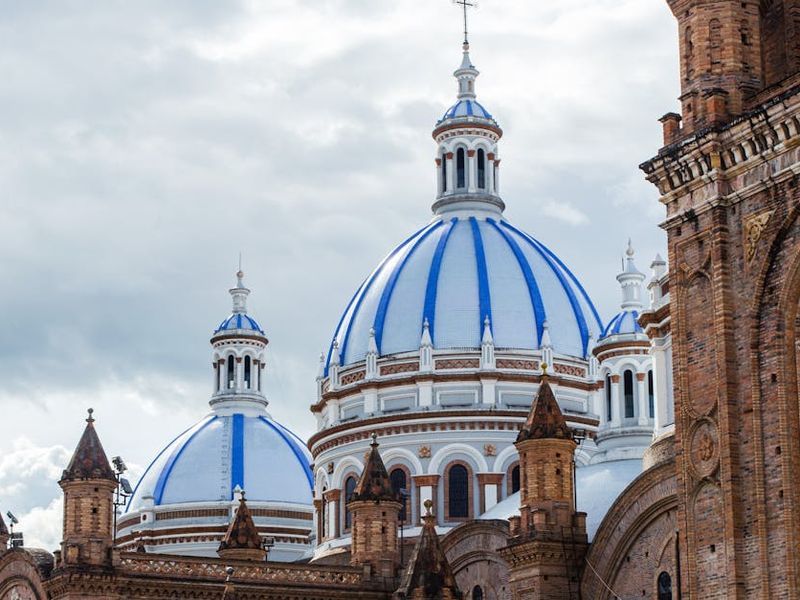
The area around Parque Calderón and the New Cathedral is where you’ll find artisans displaying jewelry, textiles and smaller souvenirs. These stalls are perfect if you want to browse fine Panama-style hats, hand-knitted alpaca scarves, and small pottery pieces without leaving the historic center.
Why go there: the convenience — you can combine a cathedral visit, coffee break and artisan shopping in one walkable loop. Artisans here often make pieces on-site or come down from nearby towns, so you can ask about materials and origins directly.
Buying tip: look for consistent weave patterns and ask whether items are 100% alpaca wool. For hats, check the brim and crown stitching to assess quality; higher-quality hats will feel smoother and hold their shape better.
Pumapungo and the museum craft vendors
Pumapungo Museum (Museo Pumapungo) is an archaeological and ethnographic museum that also hosts a small market of artisans, particularly indigenous weavers and textile makers. The setting adds context to your purchases — you can see museum exhibits on pre-Columbian textiles and then browse modern pieces made with traditional techniques.
What to look for: naturally dyed textiles, handwoven belts and traditional garments. Vendors tend to explain their techniques, making this an educational shopping experience as much as a commercial one.
Practical tip: prices here can reflect the higher quality and fairer pay to artisans. If you prefer to negotiate, do so respectfully and be mindful that many pieces represent hours of skilled labor.
Day-trip markets: Chordeleg and Gualaceo for specialized crafts
If you want to pair a market visit with a day trip, head to nearby artisan towns. Chordeleg is famous for silver filigree jewelry and small metalworks; vendors offer ornate earrings, necklaces and religious pieces that make excellent gifts. Gualaceo, meanwhile, is known for vibrant textiles, pottery and traditional woven rugs.
How to get there: local buses and organized day tours leave from Cuenca’s terminal; both towns are under an hour away, making them easy half-day or full-day trips. These markets are ideal if you’re hunting for unique, locally produced crafts that aren’t mass-produced for tourists.
Buying tip: when shopping in Chordeleg and Gualaceo, ask about hallmarking on silver pieces and whether the artisan works in fine or mixed metals. For textiles, inquire about fiber content — 100% wool or alpaca will feel different from acrylic blends.
Neighborhood farmers’ markets and weekend ferias
Beyond the big central market there are lively neighborhood markets — often called ferias — that pop up on specific days. These are where small-scale producers bring seasonal vegetables, eggs, cheeses, and prepared foods directly from surrounding farms. They’re fantastic for finding heirloom varieties and for meeting farmers who will tell you exactly how their crops are grown.
Insider tip: look for tiny stalls selling homemade panela (raw cane sugar blocks), house-made ají (hot sauces) and freshly baked tortillas. These goods often don’t make it to the larger markets.
Timing matters: most neighborhood markets run in the morning and wind down by early afternoon. Weekends are busier and more diverse, and you’ll often find live music or street-food pop-ups alongside the stalls.
What to buy by season — and what to avoid
Cuenca’s altitude (around 2,560 meters / 8,400 feet) and proximity to different ecosystems mean that you can get both highland staples and tropical fruits at the markets. Here are seasonal tips:
- Spring and summer: look for fresh corn, strawberries, naranjilla and a wider variety of green beans and squash.
- Autumn: abundant apples, pears and many varieties of Andean potatoes. This is a great time for root vegetables and hardy greens.
- Winter (and rainy months): you’ll still find hardy greens, tubers and citrus; expect more preserved items like pickles, dried herbs and panela.
What to avoid: if a fruit or vegetable looks limp, moldy or has an off smell, it’s often best to pass — freshness is easy to judge here. For perishable items like fish and dairy, choose stalls with high turnover and refrigerated displays.
How to navigate bargaining and payment
Haggling is common in artisan stalls and on some open-air markets, but it’s less aggressive than in many other countries. A polite, friendly approach goes a long way. Start with about 10–20% below the asking price if you’re buying multiple items; for single, handcrafted pieces, be prepared to pay for the labor and ask if there’s room for a small discount.
Payment options: cash (US dollars) is king. Ecuador uses the U.S. dollar, so bring small bills and coins for convenience. Many vendors do not accept cards or will only take them for larger purchases. Mobile payments are slowly growing but not yet universal.
Packing tip: bring a few reusable bags — many vendors don’t provide free plastic bags anymore. Carry a small scale if you’re an avid market shopper and plan to buy in bulk, so you can double-check weights at produce stalls.
Eating at the market: quick bites and real local flavors
Markets are also destination spots for local food. Small food stalls and comedor counters serve authentic, affordable meals that reflect the region. Try a bowl of locro de papas (potato and cheese soup), llapingachos (potato pancakes) or a plate of arroz con menestra y seco (stew and rice). Fresh fruit juices and smoothies made from naranjilla, maracuyá (passionfruit) or mora (blackberry) are perfect for a quick refresh.
Hygiene tip: watch the stall’s turnover — busy places are more likely to have fresh, quickly prepared food. If you have a sensitive stomach, choose cooked foods and bottled drinks over raw salads and street ice.
Sample market route for a day in Cuenca
Plan a relaxed day to take in the best of Cuenca’s markets without rushing:
- 8:00 AM — Start at Mercado 10 de Agosto for produce and to watch early vendor hustle.
- 10:00 AM — Walk to Plaza Calderón for artisan browsing and coffee near the cathedral.
- 11:30 AM — Visit Pumapungo to see traditional textiles in a museum context and shop ethically sourced pieces.
- 1:00 PM — Lunch at a market comedor or a nearby cafe to taste local dishes.
- 2:30 PM — If you’re keen on a day trip, head out to Chordeleg or Gualaceo; otherwise explore a neighborhood feria or boutique craft shops.
Practical safety and sustainability tips
Markets are generally safe and welcoming, but be mindful of petty theft in crowded areas. Keep valuables out of sight and use a cross-body bag that zips closed. Photographs are usually fine, but ask permission before taking close-up shots of vendors or their work — many will appreciate the courtesy.
For sustainability: prioritize buying directly from producers and artisans, and avoid mass-produced souvenirs. Choose pieces that showcase local techniques (e.g., handwoven textiles, silver filigree) and ask about materials and care. Take reusable bags, shop mindfully, and if you’re buying food, consider supporting vendors who use minimal packaging.
Final tips for market lovers in Cuenca
Spend time chatting — most vendors are proud of their produce and crafts and will happily explain varieties, techniques and local recipes. Learning a few Spanish phrases goes a long way: key words like “fresco” (fresh), “medio kilo” (half a kilo), “¿de dónde viene?” (where does it come from?) and “¿cuánto cuesta?” (how much) can transform your experience.
Markets are living places and change with the seasons. Return to your favorite stall multiple times to build relationships — repeat customers often get tips on new arrivals and occasional discounts. Above all, enjoy the sensory richness: the colors, smells and conversations are what make Cuenca’s markets memorable.
Quick checklist before you go
- Cash in small denominations (USD)
- Reusable bags and a small cooler if you’re buying perishables
- Comfortable shoes and a weather layer — mornings can be cool
- Basic Spanish phrases ready
- Sense of curiosity — be ready to taste, ask and learn
Whether you’re stocking an expat kitchen, collecting craft pieces that tell a story, or simply spending a single morning soaking up Cuenca’s culture, these markets offer direct connections to the land and the people who shape it. Explore with patience and curiosity, and you’ll leave with more than purchases — you’ll come away with a deeper sense of Ecuador’s southern highland life.