
Table of Contents
Why spend seven days in Cuenca?
Cuenca is the kind of city that rewards slow travel. Its compact, UNESCO-listed historic center is walkable, full of colonial architecture and riverside promenades, while a short drive opens up mountain lakes, Inca ruins and artisan towns. A full week lets you balance museums, markets, day trips and lazy afternoons without feeling rushed.
Quick practical tips before you go
Cuenca sits at about 2,560 meters (8,400 ft), so plan a gentle first 24–48 hours to acclimatize: avoid heavy alcohol and strenuous hikes right away. Ecuador uses the US dollar, so small bills and coins are handy for markets and taxis. Weather can change fast—bring layers, sun protection and a lightweight rain jacket. Finally, basic Spanish will make a difference in markets and with drivers; locals appreciate even a few phrases.
Where to stay: neighborhoods that fit a weeklong visit
Choose a base depending on what you want to do. The Historic Center (around Parque Calderón) puts you within easy walking distance of major sights, restaurants and nightlife. El Barranco and Tomebamba riverside neighborhoods are quieter, with scenic cobblestone streets and river views. For views over the city, Turi (by the hilltop mirador) offers a peaceful atmosphere and easy access to the scenic overlook. Wherever you stay, night taxis are inexpensive and reliable—agree on a fare before you go.
Day-by-day: a balanced seven-day plan
Day 1 — Arrival and a gentle orientation
Start with a slow morning walking around Parque Calderón to get your bearings: the New Cathedral with its blue domes dominates the square, while the Old Cathedral (El Sagrario) is a short walk away. Spend the afternoon wandering Calle Larga, popping into artisan shops, and following the Tomebamba River walkway. End the day with a relaxed dinner—try a traditional bowl of caldo or some hearty hornado (roast pork) to fuel up.
Day 2 — Museums, churches and the Panama hat story
Devote this day to Cuenca’s cultural side. Museo Pumapungo is the best place to learn about the region’s indigenous history, archaeological finds and living traditions. Nearby you’ll find small craft markets where artisans weave and sell toquilla straw hats; if you want an in-depth look, hunt down the Museo del Sombrero de Paja toquilla (Panama Hat Museum). Reserve late afternoon for the Museo de las Conceptas or other smaller galleries and finish at a café along Calle Larga.
Day 3 — Market morning and artisan towns in the afternoon
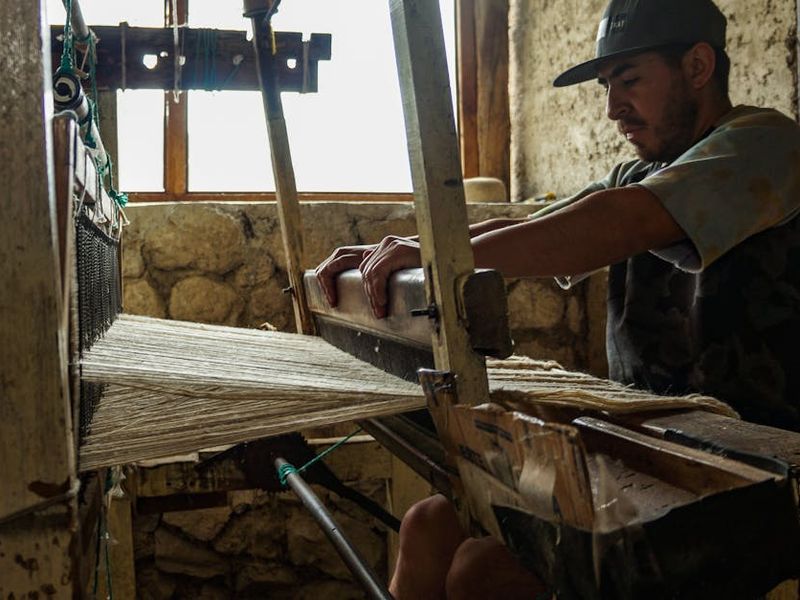
Rise early for Mercado 10 de Agosto to experience the city’s food culture—fresh fruits, flowers, local cheeses and typical breakfast dishes like humitas or empanadas de viento. After lunch, take a short minibus or taxi to the nearby towns of Gualaceo and Chordeleg. Gualaceo is known for textiles; Chordeleg specializes in silverwork and jewelry. Both towns are excellent for finding handcrafted souvenirs and watching artisans at work.
Day 4 — Full-day to Cajas National Park
Set aside a full day for El Cajas National Park, a 30–60 minute drive west of Cuenca. The park’s high-altitude lakes, moorland (páramo) and crisp mountain air make for stunning hikes. Popular routes range from a short lakeside walk to longer treks that can take several hours. Bring warm layers, water, and snacks—weather can shift fast and temperatures drop near the lagunas. Many tours include a guide and transportation, but you can also take a bus to the park entrance and hire a local guide there.
Day 5 — Ingapirca ruins and a scenic valley
Take a day trip north to Ingapirca, Ecuador’s most important Inca archaeological site. The semi-restored Temple of the Sun and stone walkways reveal how Inca and local Cañari cultures interacted. On the return trip, stop in Paute or the Paute valley for views, coffee stops and to buy fresh artisanal cheeses. Expect a full day for driving and exploration; tours often include transportation and a guide, or you can rent a car for more flexibility.
Day 6 — Slow food day and a cooking class
After two big day trips, slow things down. Spend the morning revisiting favorite cafés and bakeries—Cuenca’s panaderías produce excellent breads and pastries. Consider a local cooking class where you’ll learn to prepare Ecuadorian dishes like llapingachos (potato pancakes), mote pillo and grilled trout. Save the afternoon for souvenir shopping, or visit smaller museums and workshops to meet local artisans.
Day 7 — Hilltop views, crafts and a sunset to remember
Spend your last day visiting the Turi mirador for panoramic views over Cuenca and the surrounding Andes—arrive mid-morning to avoid crowds. Walk down through the San Sebastián area and browse craft stalls. Wrap up your week with a sunset walk along the Tomebamba or a final meal in the historic center, perhaps sampling cuy (guinea pig) if you’re adventurous, or a simpler trout dish that’s popular in the highlands.
Top practical tips for enjoying each day
- Start mornings early—museums and markets are busiest then, and you’ll avoid mid-afternoon showers in the rainy season.
- Carry small cash (USD) for markets; most small vendors do not accept cards.
- Wear sturdy walking shoes—historic streets are often cobblestoned and uneven.
- Always bring a hat and sunscreen—sun intensity is high at altitude even on cool days.
- Acclimate: short, gentle walks the first day will help prevent altitude discomfort.
Getting around: buses, taxis and renting a car
Cuenca’s historic center is very walkable. For longer trips, official taxis are inexpensive—agree on the fare or ask the driver to use the meter. Intercity buses connect Cuenca with Quito, Guayaquil and smaller towns; travel times are several hours, so choose overnight buses or a short flight if time is tight. Renting a car gives you freedom for day trips like Cajas and Ingapirca, but be prepared for mountain roads and occasional narrow stretches.
Food and where to eat
Eat like a local: try hornado (roast pork shoulder), fritada, mote pillo (corn and egg mixture), and, if you dare, cuy. Trout is abundant and fresh, often served with mote and salad. For lighter meals, visit cafés along Calle Larga and try Ecuadorian coffee—Cuenca has a growing specialty coffee scene. Markets are also great places to taste seasonal fruits, fresh juices and street snacks.
Markets, crafts and what to buy
Cuenca is famous for toquilla straw hats—locally made and handwoven; buy from reputable shops or authorized artisans to ensure quality. Chordeleg is ideal for silver jewelry and Gualaceo for textiles and woven goods. If you buy textiles, ask about natural dyeing and weave types, and don’t be afraid to ask artisans about their techniques—most enjoy showing how pieces are made.
Safety, health and cultural etiquette
Cuenca is generally safe for travelers. Use common-sense precautions: avoid poorly lit streets at night, secure valuables, and use hotel safes. Tap water quality varies; many visitors opt for bottled or filtered water. Public health facilities are good in the city, and private clinics cater to expats and tourists. Respect local customs in churches and markets—dress modestly when visiting religious sites and ask permission before photographing people in traditional dress.
When to visit: weather and festivals
Cuenca’s weather is spring-like year-round, but the dry season (roughly June–September) offers the most reliable hiking conditions. The city hosts several lively festivals—late November often sees large civic celebrations and parades, and religious events punctuate the calendar. If you prefer fewer tourists, aim for shoulder months like April–May or September–October.
Sample budget for a week (per person)
- Budget traveler: $350–$600 — dorms/hostels, local buses, market meals and some day trips shared.
- Mid-range: $600–$1,200 — private guesthouse or boutique hotel, taxis, a few guided tours and nicer meals.
- Comfort traveler: $1,200+ — upscale hotels, private guides, car rental and multiple paid activities.
Final thoughts: leave room for discovery
The best weeks in Cuenca mix planned highlights with open time to wander. You’ll discover small galleries, corner cafés and public plazas that don’t make every guidebook but become the memories you bring home. Whether you’re a history buff, an outdoor lover or a slow-food fan, a week gives you the space to slow down, breathe the Andean air and see why so many visitors fall in love with Cuenca.
Ready to plan your week? Pack layers, bring comfortable shoes and let Cuenca’s mix of colonial charm and mountain landscapes gently shape your pace.
Adam Elliot Altholtz serves as the Administrator & Patient Coordinator of the “Smilehealth Ecuador Dental Clinic“, along with his fellow Expats’ beloved ‘Dr. No Pain‘, right here in Cuenca, Ecuador, and for purposes of discussing all your Dental needs and questions, is available virtually 24/7 on all 365 days of the year, including holidays. Adam proudly responds to ALL Expat patients from at least 7:00am to 9:00pm Ecuador time, again every single day of the year (and once more even on holidays), when you write to him by email at info@smilehealthecuador.com and also by inquiry submitted on the Dental Clinic’s fully detailed website of www.smilehealthecuador.com for you to visit any time, by day or night. Plus, you can reach Adam directly by WhatsApp at +593 98 392 9606 -or by his US phone number of 1‐(941)‐227‐0114, and the Dental Clinic’s Ecuador phone number for local Expats residing in Cuenca is 07‐410‐8745. ALWAYS, you will receive your full Dental Service in English (NEVER in Spanish), per you as an Expat either living in or desiring to visit Cuenca by your Dental Vacation, plus also to enjoy all of Ecuador’s wonders that are just waiting for you to come arouse and delight your senses.