
Table of Contents
Why Cuenca Is Ideal for a Dental Vacation
Cuenca, Ecuador blends colonial charm, a mild Andean climate, and modern dental clinics—making it a popular choice for people seeking to combine dental care with leisure. The city’s UNESCO-recognized Historic Center, stable expat community, and USD currency simplify logistics, while well-trained dentists often offer services at a fraction of prices in North America and Europe.
Start with Research: How to Choose the Right Clinic
Before booking a flight, research clinics carefully. Look for:
- Patient reviews from recent visitors (Google, Facebook, dental tourism forums).
- Details on credentials: ask about local licensing (Colegio de Odontólogos de Azuay) and any international training or certifications.
- Photos of sterilization areas and equipment; inquire about digital X-rays, CEREC or CAD/CAM capability, and implant systems used.
- Clear pricing, what’s included, and whether a written treatment plan is provided before arrival.
- Availability of English-speaking staff or translators if your Spanish isn’t strong.
A short video call can answer many questions: get a sense of the clinic’s communication style, post-op support, and whether they’ll be available by phone or WhatsApp for follow-up care.
Timing and Typical Treatment Timelines
Your schedule depends on the procedures you need. Common timelines:
- Routine care (cleaning, fillings, simple extractions): 2–5 days. Many people arrive, have a consultation on day one, treatment on day two, and leave within the week.
- Crowns and bridges: 5–10 days if the clinic works with local labs; some clinics offer same-day crowns using CEREC technology.
- Implants: initial surgery can be done in 1 week, but full integration takes months. Many international patients have implant placement in Cuenca and return months later for crown attachment, or get a temporary prosthesis during healing.
When planning, build in rest days after major work and avoid scheduling back-to-back long flight days immediately after surgery.
Sample 7-Day Dental Retreat Itinerary
Here’s a balanced itinerary that combines treatment, recovery and gentle exploration. Adjust according to your dentist’s recommendations.
- Day 1: Arrive at Mariscal La Mar (CUE) and check into accommodation in the Historic Center. Light walk around Parque Calderón to acclimate to the altitude (about 2,560 meters).
- Day 2: Initial consultation, X-rays and treatment plan confirmation. Book follow-up appointments and pick up local SIM/WhatsApp if needed.
- Day 3: Minor procedure (cleaning, filling, extraction). Rest in the afternoon; try soft local dishes like locro de papa or caldo.
- Day 4: Recovery day. Gentle stroll along the Tomebamba River, or visit the Museo del Banco Central. Avoid strenuous hikes.
- Day 5: Second procedure or crown fitting. If you’re receiving work that requires lab time, this is often the day for impressions and temporary restorations.
- Day 6: Light sightseeing — artisan markets in San Francisco or a short trip to Chordeleg for jewelry. Pack and prepare for departure.
- Day 7: Final check or polishing if needed, then fly home. Ensure you have prescriptions and emergency contact info.
Where to Stay: Neighborhoods That Support Recovery
Pick a comfortable, quiet place within short distance of your clinic. Popular neighborhoods:
- Historic Center (Centro Histórico): Walkable to major clinics, pharmacies, cafes, and Cathedral life. Great for first-time visitors wanting convenience and charm.
- San Sebastián: Bohemian vibe with quieter streets, artisan shops and good restaurants—nice for gentle evening strolls.
- El Vergel and Yanuncay: More residential, often with modern apartments and less tourist bustle—good for longer recovery stays.
- Near the Tomebamba River: Scenic, peaceful walks beside the water are soothing after dental work.
Look for accommodations that provide a kitchenette if you prefer to prepare soft meals during recovery, and check whether your accommodation offers airport pickup to minimize stress on arrival.
Budgeting: Typical Costs and What to Expect
Costs vary, but here are rough ranges (USD) to help you budget—always request a written quote:
- Dental cleaning: $25–$60
- Fillings: $40–$150 depending on material
- Extractions: $50–$200 for simple extractions
- Crowns: $250–$700 depending on materials and lab fees; same-day crowns may cost more
- Implants: $800–$2,000 per implant (surgical placement only); abutment and crown additional
Because Ecuador uses the US dollar, you avoid exchange hassles. Many clinics accept credit cards, cash, and bank transfers. Don’t choose a clinic based solely on price—value, credentials, and post-op care matter more.
Language and Communication Tips
Spanish is the default language, though many clinics in Cuenca work with international patients and have English-speaking staff. To streamline care:
- Send medical/dental records and X-rays ahead of time. Many dentists will pre-evaluate and prepare for your arrival.
- Learn a few helpful phrases (e.g., “Me duele aquí” — it hurts here; “¿Qué cuidados debo tener?” — what care do I need?)
- Use WhatsApp for follow-up photos and questions; many clinics offer after-hours support via messaging.
Packing and Practical Items for Recovery
Bring items that make post-procedure recovery easier:
- Prescription list and copies of dental records/X-rays.
- Over-the-counter pain relievers you’re used to (and any regular medications).
- Soft-food-friendly utensils, a travel thermos for warm broths, and a small cooler bag for cold packs.
- Sunglasses and a hat—the Andean sun is stronger at altitude, and glare can be uncomfortable after oral surgery.
- Comfortable clothing and a travel pillow for flights.
Aftercare: Foods, Activities and Follow-Up
Healing protocols vary by procedure, but general tips include:
- Soft diet for at least 48–72 hours after extractions or major work: soups, purees, yogurts, mashed potatoes, and soft rice dishes.
- Avoid heavy lifting and high-altitude hikes for several days after major surgery—stick to gentle walks in the city.
- Keep a cool compress handy to reduce swelling; avoid hot baths and saunas for a few days.
- Follow antibiotics and pain medication schedules exactly. If you’re prescribed antibiotics, complete the course.
- Use a soft-bristled brush and avoid aggressive rinsing for the first 24 hours; after that, antiseptic mouth rinses may be recommended.
Make sure you receive clear written aftercare instructions in English or Spanish before leaving the clinic and that the clinic provides an emergency contact number.
Combining Recovery with Gentle Exploration
Cuenca is ideal for low-impact sightseeing. Try these mellow activities:
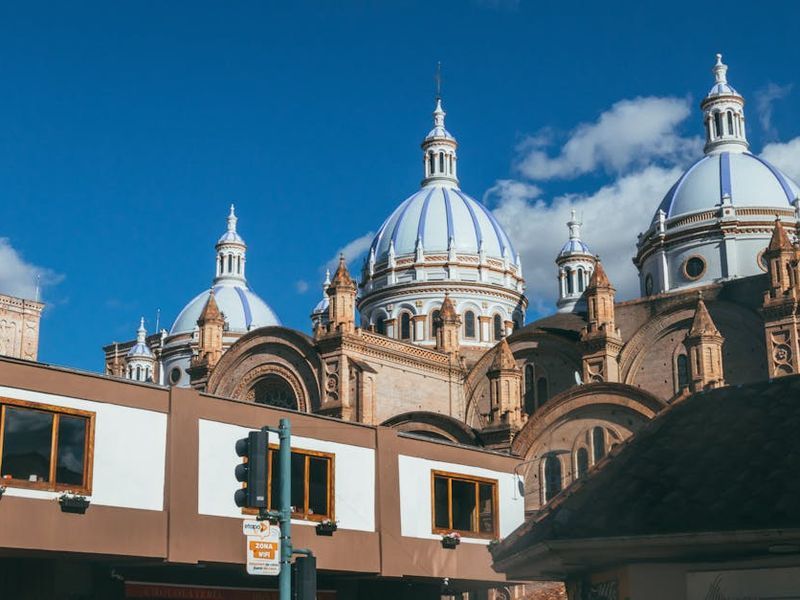
- Stroll Parque Calderón and admire the Catedral Nueva’s blue domes—easy on the feet and calming on the mind.
- Walk the river promenades along the Tomebamba—flat, scenic routes perfect for short recovery walks.
- Visit artisan markets near the Palacio de la Cultura for jewelry and Panama hat shopping—light browsing only for a few hours.
- Day trip to Cajas National Park for short, gentle lakeside walks if your dentist clears you—bring layers and sun protection.
- Enjoy a relaxing massage or low-key spa day in San Sebastián when advised by your dentist.
Safety, Emergencies and Local Health Care
Cuenca has competent hospitals and clinics. For serious emergencies, hospitals such as Hospital Vicente Corral Moscoso provide emergency services. Before traveling:
- Ask your dentist for the clinic’s emergency protocol and an after-hours phone number.
- Know the location of the nearest hospital to your accommodation.
- Check whether dental tourism insurance or travel medical coverage will assist in case of complications—some insurers offer add-ons for dental procedures abroad.
Practical Travel Logistics
Getting to Cuenca is straightforward. The city’s Mariscal La Mar airport (CUE) receives domestic flights from Quito and Guayaquil and a few international connections. Bus services and private transfers from Quito or Guayaquil are also an option if you prefer ground travel. Within the city, taxis and ride-hailing apps are inexpensive; many clinics will arrange airport or hotel pickups.
Remember visa rules: citizens of many countries get 90 days visa-free entry but check your country’s current requirements before booking.
Final Checklist Before You Book
Do a final review using this checklist:
- Obtain a written treatment plan and cost estimate before travel.
- Confirm clinic credentials, sterilization practices and aftercare support.
- Schedule enough recovery time and avoid strenuous activities immediately after major procedures.
- Arrange transportation and comfortable lodging within easy distance of your clinic.
- Pack soft foods, essential medications, and documentation.
- Plan for a follow-up strategy, either with the clinic in Cuenca or a local dentist at home.
Conclusion: Balance Care with Calm
With a little advance planning, Cuenca can be an excellent place to receive thoughtful dental care while enjoying a slower pace of life. Focus on clear communication with your chosen clinic, realistic timelines, and gentle activities that support healing. By combining high-quality dental services with the city’s soothing rhythms—cobblestone streets, river walks, and fragrant markets—you can return home with a refreshed smile and memories of a restorative escape.
Adam Elliot Altholtz serves as the Administrator & Patient Coordinator of the “Smilehealth Ecuador Dental Clinic“, along with his fellow Expats’ beloved ‘Dr. No Pain‘, right here in Cuenca, Ecuador, and for purposes of discussing all your Dental needs and questions, is available virtually 24/7 on all 365 days of the year, including holidays. Adam proudly responds to ALL Expat patients from at least 7:00am to 9:00pm Ecuador time, again every single day of the year (and once more even on holidays), when you write to him by email at info@smilehealthecuador.com and also by inquiry submitted on the Dental Clinic’s fully detailed website of www.smilehealthecuador.com for you to visit any time, by day or night. Plus, you can reach Adam directly by WhatsApp at +593 98 392 9606 -or by his US phone number of 1‐(941)‐227‐0114, and the Dental Clinic’s Ecuador phone number for local Expats residing in Cuenca is 07‐410‐8745. ALWAYS, you will receive your full Dental Service in English (NEVER in Spanish), per you as an Expat either living in or desiring to visit Cuenca by your Dental Vacation, plus also to enjoy all of Ecuador’s wonders that are just waiting for you to come arouse and delight your senses.