
Table of Contents
Why Cuenca is a great base for outdoor adventures
Cuenca’s cobblestone streets, colonial plazas and relaxed expat scene are famous — but the city’s real superpower is location. Within an hour or two in almost any direction you’ll find páramo plateaus, cloud-forest valleys, riverside promenades and archaeological highlands. That means day trips, weekend escapes and multi-day treks are all practical from a Cuenca base. This guide covers the best hikes, biking routes and nature walks close to the city, plus travel logistics and safety tips so you can plan adventures that match your energy and experience level.
Quick practical tips before you head out
Altitude and weather
Cuenca sits at about 2,500 meters (8,200 ft), while many nearby outdoor spots sit higher — El Cajas National Park averages 3,100–4,450 meters. Expect bright sun, sudden rain, and chilly temperatures even on sunny days. Give yourself a day to acclimatize if you’re arriving from sea level, drink plenty of water, and move slowly on your first high-altitude hikes.
Getting there
Most popular natural areas are a short drive from Cuenca. Cajas National Park is roughly 30–45 minutes by car; Yunguilla Valley and Girón are about 45–90 minutes depending on the route. You can reach many places by colectivo, local bus, or private transfer; renting a car gives you flexibility for remote trailheads. If you don’t drive, consider joining small-group tours or hiring a local guide — both support the local economy and make logistics easier.
Essential gear
- Layered clothing (base layer, fleece, waterproof jacket)
- Daypack, water (1–2 liters), and snacks
- Good hiking shoes or mountain-bike helmet and gloves
- Sun protection (hat, sunglasses, SPF)
- Basic first-aid kit and any personal meds
- Cash for small entrance fees, food stalls, or taxi rides
El Cajas National Park: Lakes, páramo and easy-to-challenging trails
El Cajas National Park (Parque Nacional Cajas) is the crown jewel for outdoor activity near Cuenca. A mosaic of glacial lakes and high-altitude moorland (páramo) dotted with cushion plants and frailejones, Cajas is perfect for day hikes, photography, birdwatching and serious backpacking. Trails range from short loops around a single lagoon to multi-day routes that cross ridgelines and alpine bogs.
Highlights to plan for:
- Lagoon loops: Many visitors find a 2–4 hour loop around one of the park’s accessible lagunas to be a rewarding introduction — lots of scenery without the need for heavy gear.
- High ridge walks: For panoramic views, aim for higher-altitude trails that reward you with vistas of countless lakes interspersed across the páramo. Bring windproof layers — conditions change fast.
- Wildlife and plants: Keep an eye out for waterfowl, Andean geese, and specialized páramo plants like frailejones. Birdwatchers may spot species unique to high elevations.
Tips: Start early to avoid afternoon storms, carry warm layers, and respect fragile wetland areas by staying on marked trails. There is usually a small entrance fee and park rangers who can share current trail conditions.
Yunguilla Valley: Cloud forest trails, hummingbirds and wildlife viewing
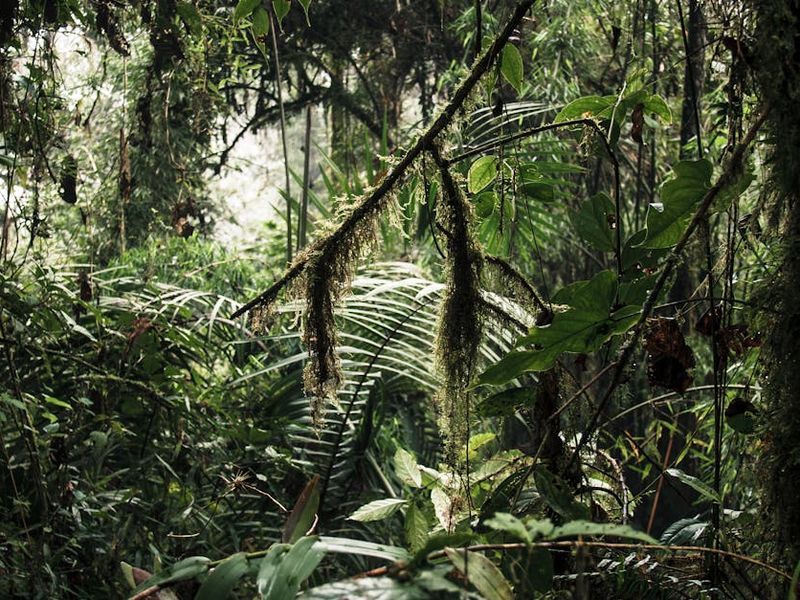
South of Cuenca the Yunguilla Valley offers a lush contrast to the windswept páramo. This patchwork of cloud forest, riparian corridors and small farms has become known for conservation efforts, hummingbird gardens and birding trails. Local guides lead visitors to viewpoints where condors and other raptors occasionally soar, and small private reserves provide easy hiking loops with excellent birding.
What to expect:
- Hummingbird feeders and trails: Some eco-lodges and reserves maintain feeders that attract dozens of hummingbird species — a delight for photographers.
- Moderate hikes and waterfall walks: Trails range from short interpretive walks to longer routes that traverse the valley slopes.
- Local culture: Combine outdoor time with visits to family-run farms and community projects that welcome responsible tourism.
Tip: Book a guided birding walk if you’re keen to identify species — guides often know the best feeding spots and seasonal habits.
Girón and its waterfalls: Short hikes and dramatic canyons
The historic town of Girón is an easy trip from Cuenca and a gateway to canyon walks, rock formations and the Chorro de Girón waterfall. The town’s cobblestone plaza and colonial architecture make it a pleasant stop before or after a hike. Trails around Girón are family-friendly in many parts, though steeper canyon trails require careful footing.
Why visit:
- Waterfall strolls: A popular short trail leads to scenic cascades where you can enjoy the sound of rushing water and cooler microclimates.
- Canyons and viewpoints: The nearby gorge offers dramatic photo opportunities and a change from high-elevation landscapes.
- Combine with lunch: Local restaurants in Girón serve hearty, regional fare — a fitting reward after a walk.
Tip: Trails can be muddy after rain, so waterproof shoes are recommended. If you plan to swim, check for safe access points and local guidance first.
Ingapirca and surrounding highland walks: History with a view
About 1.5–2 hours north of Cuenca are the famous Ingapirca ruins — the largest known Inca site in Ecuador. The stone complexes sit amid rolling highland valleys and short walking trails, offering an engaging combination of archaeology and outdoors. After touring the ruins, explore backcountry dirt roads and quiet ridgelines that are pleasant for walking or biking.
Practical notes:
- Timing: Morning visits are best for cooler temperatures and softer light for photos.
- Combine with rural rides: The roads around Ingapirca are popular with cyclists looking for steady climbs and views.
- Local guides: Indigenous guides provide historical context and can point out features you may otherwise miss.
Mountain biking: From city loops to rugged backcountry
Cuenca is a great launching point for mountain biking, whether you prefer flowing singletrack, steep technical descents or long gravel climbs through farmland and páramo. Popular options include rides that climb from the city toward the Cajas plateau, gravel backroads linking small villages, and purpose-built trails maintained by local cycling groups.
Tips for cyclists:
- Plan for mixed conditions: Expect paved roads, dirt, and rocky sections. A hardtail or full-suspension bike with puncture-resistant tires will cover most routes comfortably.
- Hire a guide for remote routes: Guides handle logistics like shuttle pickup, route planning and mechanical support.
- Respect local traffic: Many popular rides share roads with agricultural vehicles and livestock — stay alert and courteous.
If you don’t have a bike, rental shops and tour operators in Cuenca can supply bikes, helmets and guided options covering everything from half-day excursions to multi-day biking tours.
Urban nature: Rivers, viewpoints and easy walks in Cuenca
You don’t need to leave town for pleasant walks. Cuenca’s riverside promenades along the Tomebamba and Yanuncay give a relaxing outdoor experience with orchid displays, shaded benches, and bridges that connect neighborhoods. For a quick summit view, the Mirador El Turi offers sweeping city panoramas and a chance to combine a short uphill walk with local craft markets and food stalls.
Good urban nature activities:
- Tomebamba riverwalks: Follow paved and stepped paths along the river for peaceful city scenery and easy walking.
- El Turi viewpoint: Short but steep hike to panoramic viewpoints; great at sunrise or sunset.
- Botanical pockets: Several small parks and municipal gardens showcase native plants and birdlife.
Water sports and fishing: Where to paddle or cast a line
While the highland lakes of Cajas are scenic, permitted water activities vary by site and season. Instead of improvising, look for local operators that run guided kayaking and canoe trips on safe, permitted lagoons and reservoirs. Trout fishing is a popular pastime in many rivers and private ponds around Cuenca — most fishing experiences are arranged through lodges or guides who provide equipment and local know-how.
Tip: Always ask about regulations, catch limits, and private land access before fishing. Hiring a guide helps you find legal spots and reduces environmental impact.
Sample itineraries: Turn ideas into a plan
One-day: Cajas sampler
Leave early from Cuenca, drive 30–45 minutes to Cajas, hike a 2–4 hour lagoon loop, picnic by the water, then return for a relaxed evening in Cuenca. Bring layers and an afternoon backup plan in case of weather.
Two-day: Cajas + Yunguilla
Day 1: Hike deeper into Cajas with a higher-ridge walk, camp or stay in a nearby guesthouse. Day 2: Head south to Yunguilla for cloud-forest trails and hummingbird gardens; finish with a soothing local meal in a valley town.
Three-day: Bike and ruins
Day 1: Early mountain-bike ride out of Cuenca toward rural backroads. Day 2: Transfer to Ingapirca, explore ruins and short archaeological walks. Day 3: Optionally take a restorative river walk or visit Girón’s waterfalls before heading back.
Safety, permits and responsible travel
Respect local rules: follow marked trails, avoid disturbing wildlife, and ask before entering private land. Many natural reserves have small entrance fees that support conservation — carry cash. Consider hiring local guides for challenging routes or when visiting remote areas; they improve safety, provide knowledge about flora and fauna, and help keep tourism benefits in the community.
Safety checklist:
- Tell someone your plan and expected return time.
- Carry a charged phone, portable battery, and a paper map if possible.
- Start early to avoid afternoon storms (common in the mountains).
- If you feel dizzy, excessively short of breath, or unusually fatigued, descend to lower altitude and seek help.
Leave no trace and support local communities
Cuenca benefits from tourism that respects natural and cultural resources. Pack out what you bring in, stick to durable surfaces, and avoid picking plants or feeding wildlife. Choose locally owned restaurants, lodges and guiding services — your spending helps maintain trails, conservation projects and vibrant rural economies.
Final tips for making the most of Cuenca’s outdoors
Bring curiosity, patience and a camera: landscapes here are diverse and ever-changing. Whether you’re seeking highland solitude among Cajas’ icy lagoons, the hum of hummingbirds in Yunguilla, the splash of a Girón waterfall, or the thrill of a steep mountain-bike descent, Cuenca is a surprisingly short drive from many kinds of natural beauty. Plan smart, respect the land and communities, and you’ll find outdoor adventures that suit every pace.
Ready to explore? Pick one of the itineraries above, check the weather, grab your layers, and head out — the Andes around Cuenca are waiting.