
Table of Contents
Introduction: Why Cuenca Is a Launchpad for Outdoor Adventure
Perched high in the Ecuadorian Andes, Cuenca is both a cultural jewel and an excellent base for exploring dramatic mountain landscapes. Within an hour or two of the city’s red-tiled roofs you’ll find high paramo, glacial lakes, river gorges and quiet country roads ideal for hiking, mountain biking and slow nature walks. This guide highlights the best outdoor options near Cuenca and gives practical tips so you can plan safe, enjoyable outings year-round.
Know Before You Go: Altitude, Weather and Practical Gear
Cuenca sits at about 2,560 meters (8,400 ft). Many nearby destinations—especially Cajas National Park—rise above 3,000 meters, so be prepared for thinner air and larger temperature swings. Pack layers (base layer, fleece, and waterproof shell), sun protection (hat, high-SPF sunscreen and sunglasses) and sturdy footwear. A small first-aid kit, water, snacks and a map or GPS are essential.
Weather changes fast in the Andes: mornings can be crisp and clear, afternoons often have showers during the wet season, and nights get cold. The dry months from June to September provide the most reliable hiking weather, while October through May brings greener landscapes and frequent afternoon rain—great for waterfalls and lush views if you plan accordingly.
Top Day Hike: El Cajas National Park—Lakes, Patagonian-Like Paramó and Birdlife
El Cajas National Park is the crown jewel for nature lovers around Cuenca. A protected highland landscape of páramo, peat bogs and hundreds of glacial lakes, Cajas offers countless loop trails and day-hike options. It’s roughly a 30–60 minute drive west of Cuenca depending on your trailhead.
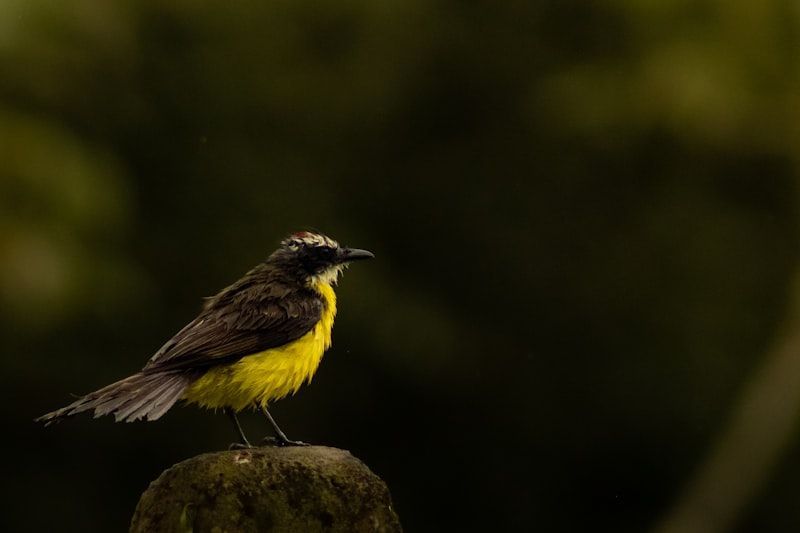
Why go: the scenery is dramatic—mirror-like lagoons, low cushion plants, meadows dotted with tufted grasses, and wide panoramic skies. Birders will spot Andean geese, veradis ducks and other highland species. Hikers enjoy short loop trails from easy 1–2 hour walks to strenuous all-day circuits that cross high passes.
Sample hike: choose a moderate 3–4 hour circuit around a pair of lakes for varied terrain without committing to an all-day trek. Trails are generally well marked but can be muddy—waterproof boots are recommended. Bring extra layers for windy exposed sections.
Practical tips for Cajas
- Access: many visitors arrange a half-day or full-day trip from Cuenca with a taxi or tour. There are also local buses to the park entrance; check schedules at the Terminal Terrestre.
- Altitude: allow your first day in Cuenca to acclimatize before pushing into higher parts of Cajas.
- Facilities: few services inside the park—carrying snacks, water and toilet paper is smart.
Gentle Urban and Riverside Walks in Cuenca
If you prefer a nature experience that’s close to town, Cuenca’s rivers—most notably the Tomebamba and Yanuncay—have elegant promenades and parks. The riverside paths are paved in parts and connect plazas, gardens and historic bridges, making them perfect for relaxed morning walks, birdwatching and photography.
Discover urban green spaces like shaded parks and small botanical gardens that showcase local flora. These routes are excellent for families, seniors, and visitors easing into higher altitudes, offering beautiful views without long drives.
Scenic Viewpoints and Short Hikes: Turi and the Southern Hills
The Turi neighborhood, a short drive or a scenic uphill walk from downtown Cuenca, offers one of the best views of the city and the surrounding valley. A compact lookout area has vendors, wooden benches and walking paths. From here you can extend into neighboring trails that descend into rural landscapes dotted with farms and small chapels.
These short hikes are ideal at sunrise or twilight when the city lights and mountain backdrop create excellent photo opportunities. Wear comfortable walking shoes and bring water—some of the paths are steep and uneven.
Mountain Biking: From Smooth Valleys to Rocky High-Altitude Tracks
Cuenca is a top place for mountain bikers because it combines quiet paved roads, agricultural backroads and technical singletrack in the highlands. Options include family-friendly routes that follow rivers and old farm lanes, and challenging climbs into the high páramo that reward riders with sweeping views.
Popular bike styles: gravel bikes or hardtail mountain bikes work well for mixed surfaces; full-suspension bikes are a plus if you plan to hit technical downhill trails. Bike rental shops are available in the historic center—ask your hotel for trusted shops and guides.
Suggested rides
- Riverside loop: an easy paved loop along the Tomebamba and Yanuncay for a 1–2 hour ride, great for families.
- Gualaceo/Chordeleg countryside: a longer, scenic day ride through artisan towns and rolling farmland—expect a mix of asphalt and packed dirt roads.
- Cajas highland loop: for experienced riders, climb into the Cajas backcountry for technical trails and high-altitude passes.
Day Trips to Nearby Towns with Easy Nature Walks
Several towns around Cuenca combine traditional culture with opportunities for relaxing outdoor walks. Gualaceo and Chordeleg are popular day trips—artisan markets, riverside paths, and quiet lanes make for mellow half-day hikes and exploration.
Ingapirca, the best-preserved Inca archaeological site in Ecuador, sits at higher elevation and offers short interpretive walks among ancient stone structures with panoramic highland views. It’s a mix of cultural exploration and easy walking—perfect for combining history and fresh air.
Waterfalls, Canyons and Secret Valleys
The wider Azuay region around Cuenca is dotted with waterfalls, hidden valleys and riparian trails. While some spots require local knowledge or a guide to find reliable paths and safe access points, asking at the Cuenca tourism office or your hotel can reveal shorter, less-crowded cascades that make wonderful picnic or photography destinations.
These areas tend to be more lush and humid than the high paramo, with denser vegetation and distinct microclimates. Bring insect repellent and expect muddier ground in the rainy season.
Planning Multi-Day Treks and Overnights
If you’re looking to stretch your legs further, multi-day treks are possible in the Cajas region and the surrounding highlands. Wild camping is feasible in some areas but conditions get cold at night—proper sleeping gear and permits (if required) are important. Another option is to stay overnight in local guesthouses or mountain refuges near trailheads to split long routes.
Before committing to a multi-day trek, check local regulations, inform someone of your route, and consider hiring a local guide who knows safe campsites and water sources. Local guides also enhance the experience by interpreting flora, fauna and local history along the way.
Safety, Conservation and Respecting Local Communities
Practice Leave No Trace principles: pack out your trash, stick to marked trails to protect fragile plants in the páramo, and avoid disturbing wildlife. Respect private property—many trails cross communal farmlands where livestock graze and local families live. If you want to visit remote areas that pass through private land, ask permission politely.
Cell reception can be limited in remote highland regions, so bring a physical map, know emergency numbers, and travel with a companion or guide when venturing off the beaten path. If you rent bikes, wear a helmet and use reflective clothing; rainy days make descents especially slippery.
How to Get There: Transport Tips From Cuenca
Many popular natural areas are accessible by a combination of public buses, taxis and organized day tours. For El Cajas, a taxi or private transfer is the quickest and most flexible option; local colectivos and some buses also run to the park entrance. For artisan towns and archaeological sites, regular buses depart from Cuenca’s Terminal Terrestre to nearby towns—confirm schedules the day before your trip.
Guided tours are plentiful for single-day trips and typically include transportation, a bilingual guide and sometimes a packed lunch—good value if you want local insight and convenience. If you prefer independence, arrange a rental car or a mountain-biking package with a shop in the city.
Best Times to Visit for Outdoor Activities
Dry season (June–September): best for long hikes and biking because clearer skies and firmer trails reduce the risk of afternoon storms. Be prepared for colder nights, especially above 3,000 meters.
Wet season (October–May): the landscape is lush and waterfalls are at their peak; expect more rain and slippery conditions. Shorter, afternoon hikes can let you enjoy the morning light and avoid late showers.
Local Resources and How to Find Reliable Guides
Your first stop should be the tourist information desks around Cuenca’s historic center and many hotels host community notice boards with guide recommendations. Look for guides who are licensed by the provincial tourism authorities and ask for references or recent reviews.
Community-run ecotourism projects are common in the area and offer authentic experiences with local hosts—these are great for supporting rural economies and learning about traditional land stewardship while exploring quieter trails.
Sample Weekend Itinerary: A Mix of Hiking, Biking and Culture
Day 1: Early morning riverside walk in Cuenca, coffee in the historic center, then an afternoon bike along rural roads to a nearby artisan town like Chordeleg. Evening: sunset at the Turi viewpoint.
Day 2: Full-day trip to El Cajas National Park—pick a moderate lakes loop, birdwatch, and enjoy a picnic with sweeping vistas. Return to Cuenca for a relaxed evening and a celebratory local meal.
Final Tips: Slow Down, Observe and Enjoy
The landscapes around Cuenca reward slow travel. Take time to notice plant details in the paramo, listen to river sounds and take breaks to acclimatize. Whether you’re an experienced hiker, a weekend cyclist, or someone looking for tranquil nature walks, Cuenca’s surroundings offer diverse outdoor experiences that can be tailored to fitness, interests and weather.
Pack smart, plan your transport, respect local communities and landscapes, and you’ll discover why so many visitors fall for the highland beauty surrounding this charming Ecuadorian city.
Quick Checklist for Your Trip
- Layered clothing, waterproof shell, sun protection
- Sturdy hiking boots or reliable bike with helmet
- Water, high-energy snacks, small first-aid kit
- Map or offline GPS, phone with emergency contacts
- Cash for park fees, local buses or small purchases
- Respectful attitude toward private land and local communities
Ready to lace up your boots or dust off your bike? The trails, lakes and rivers near Cuenca are waiting—each route offers different scenery and a chance to connect with Ecuador’s highland ecosystems. With good preparation and local knowledge, you’ll have memorable, safe outdoor adventures near one of Ecuador’s most beautiful cities.