
Table of Contents
Why Expats Choose Cuenca for Dental Care
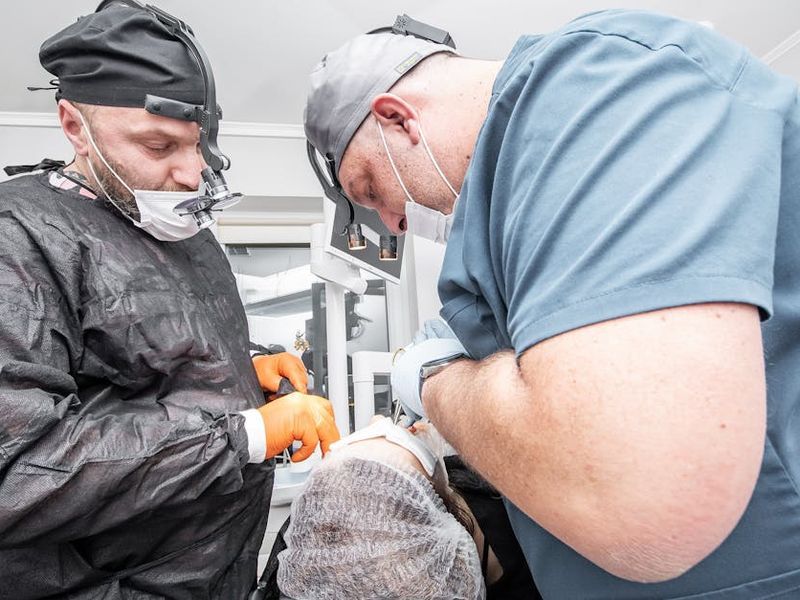
Cuenca, Ecuador, has become a popular destination for expats seeking quality dental care at affordable prices. The city’s combination of experienced dental professionals, modern clinics, and the convenience of using US dollars makes it easy to plan treatment. Whether you need a routine cleaning or a full-mouth restoration, Cuenca offers a wide range of services—often at a fraction of the cost you’d pay back home.
Common Dental Procedures You’ll Find in Cuenca
Most dental practices in Cuenca perform everything from preventive care to complex restorative work. Here are the procedures expats ask about most often and what to expect during each one.
1. Dental Cleanings and Preventive Care
Routine cleanings (profilaxis) are the foundation of good oral health. Most clinics offer ultrasonic scaling, polishing, and a brief exam to check for cavities, gum disease, and oral lesions. If you’re new to Cuenca, schedule a cleaning as your first visit so the dentist can establish a baseline and recommend follow-up frequency—usually every 6 months unless you have periodontal issues.
2. Fillings and Composite Restorations
Composite (tooth-colored) fillings are the standard in Cuenca. The dentist will remove decay, shape the cavity, and place the composite material in layers, curing each layer with a blue light. This procedure typically takes 20–60 minutes per tooth. Many clinics use digital x-rays, so bring any recent images if you have them.
3. Extractions: Simple and Surgical
Extractions range from simple removals to surgical wisdom tooth extractions. Local anesthesia is commonly used, and for anxious patients, clinics may offer nitrous oxide or oral sedation—be sure to discuss risks and recovery. Aftercare is critical: avoid heavy lifting, follow soft-food recommendations, and maintain oral hygiene to reduce infection risk.
4. Root Canal Therapy
Root canals (endodontic treatment) are offered by general dentists and specialists. Modern techniques include rotary instruments and biocompatible sealers. A root canal typically requires one to three visits depending on complexity, with an additional crown often recommended afterward to protect the tooth.
5. Crowns and Bridges
Crowns (caps) restore broken, decayed, or root-canaled teeth. You’ll choose from materials like porcelain-fused-to-metal (PFM), all-ceramic, or zirconia. The process usually takes two visits—preparation and temporary crown placement, then final cementation after the lab creates the permanent crown. Bridges replace missing teeth by anchoring to adjacent teeth and follow a similar timeline.
6. Dental Implants
Implants are among the most sought-after treatments for expats because of their durability and natural look. The procedure involves placing a titanium post into the jawbone, allowing several months for osseointegration, and then attaching an abutment and crown. Some clinics offer guided implant surgery and in-house labs for efficiency. Discuss bone grafting needs if you’ve had tooth loss for a long time.
7. Veneers and Cosmetic Dentistry
Veneers, teeth whitening, and smile makeovers are widely available. Porcelain veneers can dramatically change the look of your smile, while in-office whitening delivers quicker results than take-home kits. Cosmetic dentistry often blends art and science—ask to see before-and-after photos and request an aesthetic mock-up when possible.
8. Dentures and Removable Prosthetics
Full and partial dentures are a practical option for multiple missing teeth. Modern flexible acrylics and reinforced bases improve comfort and fit. Expect a few appointments for impressions, try-ins, and adjustments. If you’re traveling for care, ask about emergency adjustment services before finalizing treatment.
Costs and How They Compare to Home
One of the biggest reasons expats choose Cuenca is cost savings. Dental prices in Cuenca are generally lower than in North America and parts of Europe, often significantly so. Clinics price treatments in US dollars, making it convenient for visitors and residents alike. That said, exact costs vary by clinic, materials used, and the experience of the practitioner. Always request an itemized estimate and understand what’s included—sedation, x-rays, lab fees, and follow-up visits can add to the bill.
How to Choose a Dental Clinic in Cuenca
Picking the right clinic is crucial. Consider these practical steps before you book treatment:
- Read online reviews on expat forums and Google. Cuenca has an active expat community—Facebook groups and local forums are invaluable.
- Verify credentials. Ask about the dentist’s education, specialization, and whether they’re registered with Ecuadorian dental authorities.
- Tour the clinic if possible. Cleanliness, sterilization protocols, and modern equipment are signs of a responsible practice.
- Ask for before-and-after photos of similar procedures to evaluate aesthetics and workmanship.
- Confirm language capabilities—many dentists in Cuenca speak English, but if not, arrange a translator or bring a bilingual friend.
- Get a written treatment plan with estimated timelines and guarantees for prosthetics or implants.
Practical Tips for Expats Before You Travel
Planning is the key to a successful dental trip. Follow this checklist to make your experience smoother:
- Bring recent dental records and x-rays. Clinics will appreciate digital files—ask your home dentist to email them.
- Have a consultation first. Many dentists provide free or low-cost consultations to evaluate your needs and offer a treatment plan.
- Plan for follow-up. Complex work like implants may require several months between stages—coordinate your travel or plan to stay long enough for critical steps.
- Ask about warranties or guarantees, especially for crowns, bridges, and implants. Understand what is covered and for how long.
- Budget for unexpected expenses. Factor in a cushion for additional treatments that may emerge during care.
Language, Communication and Cultural Tips
Spanish is the primary language in Cuenca, but many dentists serving expat clients communicate in English. Still, being prepared goes a long way. Learn basic dental vocabulary (limpieza = cleaning; empaste = filling; extracción = extraction; implante = implant). Use translation apps for appointment scheduling and confirm all details in writing. Polite cultural habits—arriving on time and greeting staff—are appreciated and help build rapport.
Aftercare and Recovery in Cuenca’s Climate
Cuenca sits at roughly 2,500 meters (about 8,200 feet) above sea level. While this elevation is generally fine for most people, anesthesia and sedation protocols can be affected; always disclose any respiratory or cardiovascular issues to your dentist. Follow aftercare instructions carefully—avoid smoking, follow dietary restrictions, and use recommended rinses. If you experience unexpected pain or swelling, contact your clinic immediately; many offer emergency lines or follow-up appointments for international patients.
Payment, Insurance, and Records
Because Ecuador uses the US dollar, payment is straightforward for many expats. Clinics accept cash, credit cards, and sometimes bank transfers. If you have international dental insurance, request detailed invoices and receipts so you can submit claims. Keep copies of all records and photos of treated areas for your home dentist. For major procedures, consider scheduling a check-up with your regular dentist once you return home to ensure continuity of care.
Balancing Cost, Quality and Trust
Price alone shouldn’t be your only factor—balance cost savings with the quality of care. A low price may be appealing, but insist on modern sterilization protocols, certified dental labs for prosthetics, and transparent communication about risks and alternatives. Many expats find that paying a bit more for an experienced clinician pays dividends in long-term satisfaction and fewer complications.
Where to Stay and Logistics During Treatment
Most dental clinics are conveniently located near the historic center, making it easy to combine appointments with comfortable accommodation, restaurants, and pharmacies. Choose lodging within easy reach of your clinic to minimize travel after anesthesia or long procedures. Many hotels and short-term rentals cater to medical visitors and can help coordinate transportation and local recommendations.
Final Checklist Before You Commit
Before you schedule major dental work in Cuenca, run through this final checklist:
- Get a written quote and a clear treatment timeline.
- Verify credentials and ask to see similar case photos.
- Confirm sterilization and infection-control measures.
- Arrange follow-up care and emergency contact details.
- Plan travel and lodging to coincide with key treatment milestones.
Conclusion: Making a Smart Choice
Cuenca offers a compelling mix of skilled dentists, modern clinics, and affordability for expats seeking dental care. By researching clinics, verifying credentials, planning for follow-up, and communicating clearly, you can access excellent dentistry while enjoying the comforts of this historic Andean city. Whether you need a cleaning, a crown, or a full implant restoration, careful planning and realistic expectations will help you get the best outcome.
Resources and Next Steps
Start by joining local expat groups and asking for recent recommendations, request initial consultations from a few clinics, and gather your dental records. With the right preparation, your dental experience in Cuenca can be both cost-effective and high quality—letting you return home with a healthier smile and a memorable stay in one of Ecuador’s most charming cities.