
Table of Contents
Introduction: Dental Health Is Local Health
Moving to Cuenca brings many changes — a new home, climate, food and health providers. One area that often gets overlooked until pain strikes is dental care. Regular dental check-ups do more than keep your smile bright: they prevent infections, detect systemic health issues, and save money and headaches over the long term. This guide explains when to see a dentist in Cuenca, why routine visits matter, and how expats can make informed choices about local dental services.
How Often Should You See a Dentist?
For most adults, a dental check-up every six months is the general recommendation. These visits typically include an exam, professional cleaning (scaling and polishing), and any necessary X-rays or fluoride treatments. However, frequency should be tailored to your needs:
- Low-risk adults: every 6–12 months
- People with gum disease (periodontitis): every 3–4 months
- Diabetics, pregnant women, or those on medications affecting saliva: every 3–6 months
- Children: first dental visit within six months of the first tooth appearing or by their first birthday, then at least every 6 months
Why Regular Check-ups Matter — Beyond Cavities
Routine dental visits are preventive and diagnostic. Dentists do much more than fill cavities:
- Early detection: Small cavities, gum disease, and oral cancers are far easier and cheaper to treat when found early.
- Preventive care: Professional cleanings remove tartar that brushing and flossing can’t, reducing risk of inflammation and tooth loss.
- Systemic health monitoring: Dentists often detect signs of diabetes, osteoporosis, or vitamin deficiencies that show in the mouth.
- Function and comfort: Bite problems, bruxism (teeth grinding), and temporomandibular joint (TMJ) disorders are assessed and managed to prevent chronic pain.
- Long-term cost savings: Preventive care is almost always cheaper than restorative care like root canals, crowns, or implants.
Signs You Should See a Dentist Right Away
Don’t wait for your next scheduled check-up if you experience any of the following — act quickly to prevent complications:
- Severe, persistent toothache or pain that wakes you at night
- Swelling of the face or gums, or a fever with dental pain
- Bleeding gums that won’t stop or gums that are very tender
- Loose teeth, sudden bite changes, or difficulty chewing
- Trauma that chips, cracks or knocks out a tooth
- Persistent bad breath or a sore that won’t heal in the mouth
What to Expect at Your First Visit in Cuenca
Your first appointment with a new dentist in Cuenca may feel different from what you experienced at home. Expect the following:
- Medical and dental history: Bring a list of medications, allergies, and any previous dental work. If you use dental insurance, bring your ID or paperwork.
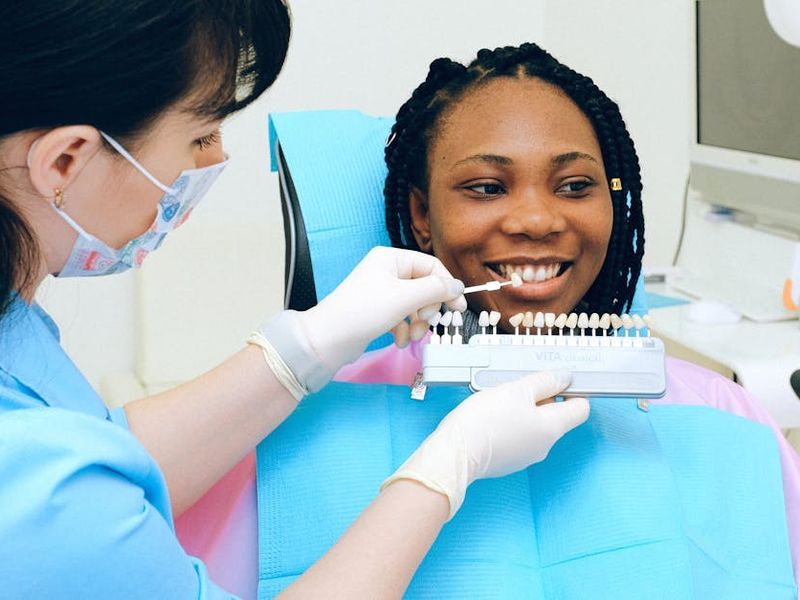
- Comprehensive exam: A thorough inspection of teeth, gums, tongue, and bite. The dentist will look for signs of decay, gum disease, and oral lesions.
- Professional cleaning: Hygienists typically remove plaque and tartar, polish teeth, and give oral hygiene advice.
- X-rays: Many clinics provide digital X-rays to check for hidden problems; bring prior X-rays if possible.
- Treatment plan: You’ll receive an estimate and a recommended timeline for any restorative work.
Choosing a Dentist in Cuenca: Practical Tips for Expats
Cuenca has many reputable private dental clinics and public dental services through IESS (Ecuador’s social security) and municipal programs. Use these tips to find a dentist who meets your needs:
- Search reviews on Google, Facebook, and expat forums. Look for recent patient photos and comments on cleanliness, communication, and outcomes.
- Check credentials — ask for the dentist’s diploma or professional license number (Colegio de Odontólogos affiliation) if you’re unsure about qualifications.
- Language: Many dentists speak at least basic English, especially in Centro Histórico; if you’re not confident in Spanish, inquire beforehand or bring a translator app.
- Location: Clinics near Centro Histórico, El Paraíso, or near major hospitals can be convenient for emergencies and follow-up visits.
- Payment: Ecuador uses US dollars, which simplifies payments. Expect many clinics to accept cash and card; ask if they provide receipts for insurance reimbursement.
- Hygiene and equipment: Look for modern sterilization practices, digital X-rays, and clear explanations of procedures. Clinics that display sterilization certificates and have consumables in sealed packaging are preferable.
Costs and Dental Tourism — What Expats Should Know
Dental care in Cuenca is generally more affordable than in North America or Europe, which attracts many expats and visitors for dental work. Typical price ranges (approximate and subject to change) can help you plan:
- Routine cleaning: $20–$50
- Filling (composite): $30–$100
- Root canal: $120–$400
- Crown (porcelain/metal): $200–$500
- Dental implant (including crown): $800–$2,000
These ranges depend on materials used, the clinic’s experience, and follow-up care needs. If you’re planning extensive restorative work, request a detailed, written treatment plan and price breakdown, and consider a second opinion. For dental tourists, schedule time for follow-ups since implants and some restorations require multiple visits.
Insurance and Public Dental Services
Expats who contribute to IESS are eligible for dental services through the system, though wait times and the scope of services may vary. Private health insurance plans may cover dental work partially or offer preferred clinic networks. Many private clinics can provide invoices suitable for reimbursement by overseas insurers. Before a major procedure, confirm coverage with your insurer and get pre-authorization when possible.
Prevention at Home: Daily Habits That Complement Check-ups
Regular dental visits are only one part of oral health — daily routine matters a lot. Follow these practical, evidence-based habits:
- Brush twice daily with a fluoride toothpaste for two minutes each time.
- Floss once daily or use interdental brushes to remove plaque between teeth.
- Limit sugary snacks and acidic drinks; when you do have them, rinse with water afterward.
- Use a soft-bristled toothbrush and replace it every 3–4 months or after illness.
- Consider a fluoride treatment or prescription-strength fluoride if local water isn’t fluoridated or if you’re at high risk for decay.
- Quit smoking — tobacco dramatically raises the risk of gum disease and oral cancer.
Special Considerations for Children and Seniors
Dental care needs change over a lifetime. Here’s what expat families and older residents should look for:
For Children
- Start early: Baby’s first dental visit within six months of the first tooth or by age one helps set preventive habits.
- Sealants and fluoride: Ask about sealants for molars and professional fluoride varnishes to reduce decay risk.
- Orthodontic screening: Around age 7, a dentist can identify early bite issues and recommend monitoring.
For Seniors
- Medication review: Many medications reduce saliva, increasing decay risk. Dentists can recommend products to manage dry mouth.
- Prosthetic care: Dentures and implant-supported prostheses require regular checks and relining as bone changes occur.
- Periodontal maintenance: Older adults often need more frequent cleanings to control gum disease.
Handling Dental Emergencies in Cuenca
Dental emergencies do happen. Knowing where to go and what to do can make a huge difference:
- Severe pain or swelling: Seek urgent care at a private clinic or IESS emergency if you’re covered. Many private dentists provide same-day emergency appointments.
- Knocked-out tooth: Handle the tooth by the crown (not the root), rinse gently if dirty, and try to reinsert it. If not possible, store it in milk or saline and see a dentist immediately — time is critical.
- Tooth fractures: Save broken fragments, and see your dentist as soon as possible for bonding or restoration.
- Pain relief: Use ibuprofen or acetaminophen as directed for pain. Avoid aspirin for bleeding issues, and call a clinic before taking higher doses if you’re unsure.
Red Flags — When a Check-up Isn’t Enough
Certain patterns warrant a more urgent or specialized approach beyond routine dentistry:
- Rapidly progressing gum recession or severe bone loss seen on X-rays
- Unexplained oral sores lasting more than two weeks — possible oral cancer screening needed
- Complex bite problems, facial pain, or chronic headaches that suggest TMJ disorders
- Persistent infections that recur after antibiotics — may need root canal or surgical intervention
Final Tips for Expats: Building a Local Dental Support System
Make dental care part of your routine in Cuenca rather than an afterthought. Here are a few practical steps to stay on top of oral health:
- Register with a dental clinic soon after you arrive — having a familiar dentist reduces stress in emergencies.
- Keep an updated file of dental records and treatment plans; many clinics can send digital copies if you travel frequently.
- Schedule cleanings in advance and consider combining treatments with travel plans if you’re using dental tourism options.
- Join local expat groups or forums for personal recommendations — but verify credentials and visit clinics before committing to major work.
Conclusion
Regular dental check-ups are more than cosmetic appointments — they are essential preventive healthcare that protects your overall well-being. For expats in Cuenca, the combination of affordable private clinics, public services through IESS, and a community of experienced providers makes it possible to maintain excellent oral health. Schedule your check-ups, follow a consistent home-care routine, and act promptly on warning signs. Your future self (and your smile) will thank you.