
Table of Contents
Introduction: Dental Care Meets Vacation in Cuenca
Imagine replacing a cracked crown, getting implants, or upgrading to porcelain veneers while strolling a UNESCO-listed historic center, sipping coffee beside the Tomebamba River, and recovering in a mild mountain climate. That’s the reality thousands of visitors find in Cuenca, Ecuador. For expats and travelers who want exceptional dental work without the prohibitive cost and long waits common in the U.S. and Canada, Cuenca offers a powerful combination: dramatic savings (often 60–70% less), highly trained dentists, modern clinics, and a beautiful city that supports healing and relaxation.
Why Cuenca Is the Best Place on Earth for Dental Tourism
Dental tourism is more than price shopping. It’s a strategic choice to get top-tier care while enjoying travel. Cuenca checks critical boxes that make it stand out:
- Stunning cost savings: Many procedures cost 60–70% less than in the U.S. or Canada—without compromising quality.
- Highly trained clinicians: Dentists in Cuenca are educated at Ecuador’s leading universities and frequently pursue advanced training abroad, ensuring modern techniques and evidence-based care.
- State-of-the-art clinics: Clinics use digital imaging, 3D planning for implants, CEREC and CAD/CAM milling units for same-day crowns, and sterilization protocols that meet international standards.
- Short wait times and personalized care: Unlike crowded systems at home, Cuenca clinics offer quicker scheduling and one-on-one attention—your treatment plan won’t be rushed or delegated to a trainee.
- Recovery-friendly environment: Cuenca’s mild, springlike climate and walkable, peaceful neighborhoods provide an ideal space for healing after procedures.
Quality of Care: World-Class Training and Modern Methods
One of the biggest myths about dental tourism is that low cost means lower quality. In Cuenca that’s not true. Dentists commonly graduate from Ecuador’s top dental schools and many complete specialty courses or residencies overseas. Clinics often partner with laboratories—locally and internationally—to create high-quality prosthetics. It’s routine to find practices equipped with digital X-rays, CBCT scans for precise implant planning, and in-house milling machines for beautifully fitted crowns and veneers.
Many dentists focus on continuing education in implantology, cosmetic dentistry, and prosthodontics, attending international conferences and bringing those skills back to Cuenca. That blend of local training and global standards helps explain why the city is a trusted hub for implants, crowns, and veneers.
Real Savings with Real Value: Cost Comparisons and Examples
Cost is the single most compelling reason many people choose Cuenca. To illustrate the value, consider these typical savings (approximate and variable depending on materials and provider):
- Dental implants: A single implant with abutment and crown in the U.S. or Canada can run $3,500–$6,000 or more. In Cuenca, comparable packages often cost 60–70% less—frequently in the range of $1,000–$2,200 per implant.
- Crowns: Porcelain-fused-to-metal or all-ceramic crowns can be $1,000+ in North America, whereas Cuenca clinics often provide them for $250–$600 depending on materials and technology used.
- Veneers: High-quality porcelain veneers in the U.S. are frequently $1,200–$2,500 each; in Cuenca, excellent veneers can be $300–$800 each.
When you add travel and lodging—even with flights and comfortable accommodations—most patients save thousands of dollars. That extra margin often enables higher-grade materials (zirconia, all-ceramic systems) or additional cosmetic enhancements that weren’t affordable at home.
Modern Clinics and Cutting-Edge Technology
Many dental practices in Cuenca have made significant investments in technology that directly benefits patients. You’ll find:
- CBCT (cone beam) imaging for three-dimensional diagnostics and exact implant positioning.
- CAD/CAM systems that permit same-day crowns and milled restorations with superior fit.
- Digital impressions, eliminating messy putty and improving precision.
- Strict sterilization and infection control protocols aligned with international standards.
- In-house or highly coordinated lab partnerships to ensure aesthetics and rapid turnaround.
These capabilities allow for predictable, comfortable treatments, shorter total treatment times in many cases, and fewer return visits.
Cuenca as a Recovery Destination: Nature, Culture, and Comfort
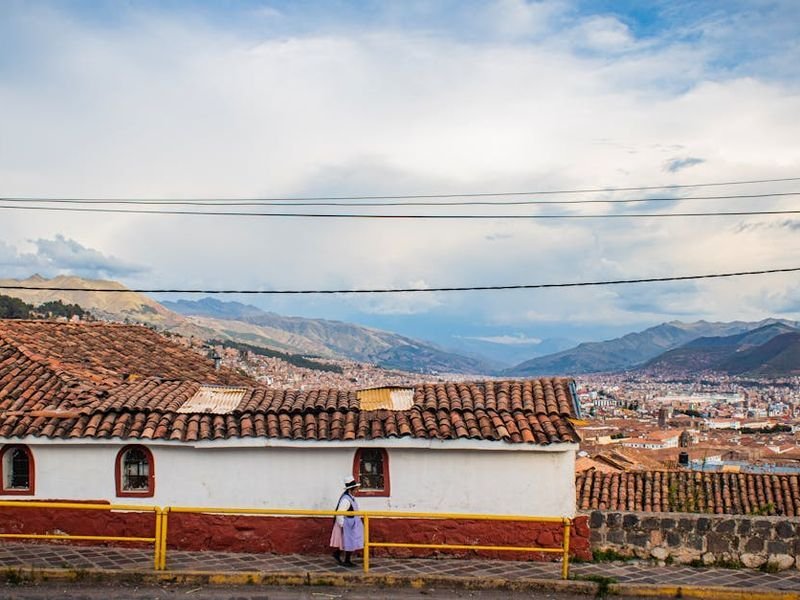
Recovery environment matters. Cuenca’s historic center, a UNESCO World Heritage site, is tranquil, compact, and easy to walk. The city sits at about 2,500–2,600 meters above sea level, offering cool, stable temperatures and fresh mountain air—ideal for gentle rest after dental surgery. Instead of spending recovery days in a sterile clinic corridor, patients can rest in charming guesthouses, breathe mountain air, and take short, leisurely walks along the Tomebamba River when they feel up to it.
Nearby attractions provide distraction and delight without exertion: scenic plazas like Parque Calderón, artisan markets where you can window-shop for panama hats and ceramics, gentle day trips to Cajas National Park for photos from easy viewpoints, and hot springs a short drive away for relaxing soaks. All of this supports mental wellbeing, which plays a role in physical healing.
How Dental Vacation Planning Works: Timelines and Logistics
Smart planning makes dental tourism in Cuenca efficient and stress-free. Here’s how to approach it:
- Initial contact: Ask clinics for digital records: recent X-rays, a list of medications, and photos. Many clinics provide virtual consultations to review options and costs before you book travel.
- Make an itinerary: Simple procedures like a crown or veneer can often be done in 1–3 visits over 5–10 days. Implants may require staged visits (placement and later restoration), but many clinics use immediate-load techniques or coordinate with local labs to minimize time away from home.
- Book your stay: Choose accommodation near the Historic Center or Clinica areas (within walking distance of major practices) for easy access and a peaceful recovery zone.
- Bring documents: Carry your medical history, medication list, and copies of any dental imaging. Keep copies of treatment plans and contact info for the clinic.
- Aftercare: Plan a few quiet days after major procedures, and schedule a telehealth follow-up if needed. Many clinics provide antibiotic and analgesic prescriptions and instructions in English.
Short Wait Times and Personalized One-on-One Care
In contrast to busy public systems or dental chains in North America, many Cuenca clinics offer fast scheduling and individualized attention. Appointments are typically longer and focused: the dentist—not an assistant—consults with you directly, explains the plan, and often performs the procedure personally instead of delegating to a junior associate. This continuity of care improves outcomes and patient comfort.
Because the patient volumes are manageable, clinics can tailor anesthesia choices, material selections, and aesthetics to your preferences. That level of customization is a major advantage of choosing Cuenca for dental work.
Combining Dental Care with a Memorable Vacation
Dental tourism isn’t just about saving money—it’s an opportunity to restore your smile and reset your life. Cuenca’s cultural richness makes it easy to blend treatment with leisure:
- Take a gentle walking tour of the Spanish colonial architecture and colorful markets in your recovery days.
- Spend a day on a relaxing riverfront picnic or genteel café-hopping; many cafés offer excellent coffee and light fare suitable for post-procedure diets.
- Book a cooking class or artisan workshop for a light, engaging activity that won’t strain your recovery.
- Arrange a scenic drive to Cajas National Park for fresh air and easy viewpoint stops—perfect for light activity after a few recovery days.
These activities are restorative and help patients return home feeling refreshed as well as with a renewed smile.
Choosing a Clinic: Practical Tips and Red Flags to Avoid
Choosing the right clinic is paramount. Here’s a practical checklist to guide your selection:
- Ask about the dentist’s education and specialty training; reputable clinics will share credentials and continued education.
- Verify clinic technology: do they use digital X-rays, CBCT, and CAD/CAM systems? Ask how restorations are fabricated.
- Request before-and-after photos of similar cases and ask for references or patient testimonials.
- Clarify costs: get a written, itemized estimate that includes materials, lab fees, follow-up visits, and any potential secondary procedures.
- Confirm language support—many clinics provide English-speaking staff or translation to ensure clear communication.
- Avoid clinics that demand full upfront cash without a clear contract, or those unwilling to provide follow-up care options.
Aftercare, Warranties, and Follow-Up
Reliable clinics offer warranties on restorations and clear aftercare protocols. Before committing, ask how they handle complications and whether they offer telehealth follow-ups. Many practices provide detailed instructions and are willing to coordinate with a dentist in your home country for long-term maintenance. Warranties commonly cover lab errors or restoration fit for a specified period—make sure you receive this in writing.
Practical Details: Travel, Currency, and Local Advice
Here are specific, practical tips to simplify your trip to Cuenca:
- Getting there: Cuenca is served by Mariscal La Mar International Airport (CUE). Many international travelers connect via Quito or Guayaquil. Flight times and routings vary—plan connections carefully.
- Currency: Ecuador uses the US dollar, so currency exchange is straightforward for North American travelers.
- Language: Spanish is the primary language, but many dental clinics and tourist services have English-speaking staff. Learning a few Spanish phrases improves the experience.
- Altitude consideration: Cuenca sits at about 2,500 meters above sea level. It’s mild, but if you’re sensitive to altitude or plan sedation, consult both your dentist and physician beforehand.
- Accommodation: Stay in the Historic Center or nearby neighborhoods like San Sebastián for easy access to clinics and gentle walking routes.
Real Patient Value: How Savings Make Better Choices Possible
Beyond headline savings, the biggest advantage many patients report is access to higher-quality materials or additional procedures that were financially out of reach at home. For example, a patient who thought they could afford only a basic crown might choose full-ceramic crowns for better aesthetics, or use savings to replace multiple failing teeth with implants—transformations that significantly improve quality of life.
Because clinics in Cuenca price competitively, patients can prioritize long-term success—opting for durable materials and conscientious treatment planning rather than cutting corners.
Final Thoughts: A Smart, Beautiful Choice for Your Smile
Cuenca, Ecuador, is uniquely positioned as an ideal dental tourism destination. It pairs dramatic cost savings with high standards of care, modern technology, quick scheduling, and a recovery environment that feels more like a restorative vacation than a medical trip. For expats and travelers seeking implants, crowns, or veneers, Cuenca offers compelling value: excellent dentistry, personalized attention, and an unforgettable cultural backdrop.
If you’re considering dental work abroad, take the time to research clinics, ask for detailed treatment plans and warranties, and plan your trip around the care you need. With the right preparation, you’ll return home with both a refreshed smile and memories of a beautiful city that helped you get there.
Quick Checklist Before You Book
- Obtain digital records and request a remote consultation.
- Compare itemized treatment estimates and warranties.
- Plan for recovery days and light activities in Cuenca.
- Confirm language support and follow-up telehealth options.
- Bring medical history, medications, and copies of treatment documents.
When you combine world-class dentistry, massive savings, and the restorative charm of Cuenca, dental tourism becomes more than a way to save money—it’s a pathway to better health and a better lifestyle.