
Table of Contents
Why Cuenca is the Top Choice for Dental Tourism
For retirees seeking high-quality dental work without the sky-high price tags at home, Cuenca, Ecuador stands out as the smart, comfortable and surprisingly luxurious option. Imagine receiving dental implants, crowns or veneers from world-class dentists for 60–70% less than the U.S. and Canada, then recovering in a charming UNESCO-listed city with pleasant weather, excellent food and first-rate expat support. That is the promise—and reality—of dental tourism in Cuenca.
Cost Savings That Make a Real Difference
One of the most compelling reasons retirees choose Cuenca is the dramatic cost advantage. Typical savings are 60–70% compared to North American prices. To put that into perspective: a single dental implant that might cost $3,000–$6,000 in the U.S. can often be completed in Cuenca for $700–$1,600; a crown that costs $800–$1,800 at home often runs $150–$350; and porcelain veneers that run $1,200–$2,500 per tooth in the U.S. commonly cost between $250–$450 per tooth in Cuenca. For retirees on fixed incomes, this kind of value turns needed dentistry into an affordable, even restorative, life upgrade.
Clinical Quality and Education: World-Class Care
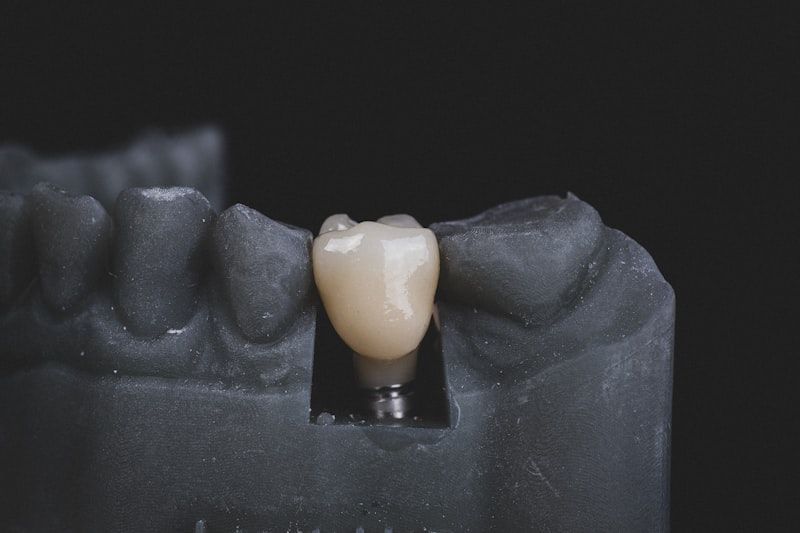
Cost savings don’t mean cutting corners. Cuenca’s dentists are frequently trained at top universities in Ecuador, Latin America, the U.S. and Europe, and many hold advanced credentials in implantology, prosthodontics and cosmetic dentistry. Clinics feature digital x-rays, cone-beam CT (CBCT) scanning, CAD/CAM milling and same-day zirconia crown production—technology you’d expect in any modern dental center.
Highly Trained Specialists and Personalized Care
Retirees often highlight the one-to-one attention they receive in Cuenca. Small clinic teams allow for extended consultations and personalized treatment plans. Many dentists spend ample time explaining options, materials (zirconia vs porcelain-fused-to-metal), and staging complex implant and crown cases so patients feel informed and comfortable before any work begins.
Modern Clinics, Cutting-Edge Technology
Cuenca’s best dental clinics rival mid-sized U.S. practices in equipment and infection-control standards. Look for clinics advertising digital workflows: intraoral scanners, digital smile design, 3D CBCT imaging for precise implant placement and guided surgery. These technologies improve predictability, shorten chair time and help craftsmen produce durable, esthetic restorations suited to your bite and facial structure.
Materials and Techniques Commonly Used
- Zirconia and lithium disilicate crowns — long-lasting and highly aesthetic.
- Straightforward implant systems and guided surgery — for precision placement.
- Immediate-load options and provisional crowns — when appropriate.
- Digital shade matching and smile design — for natural looking veneers and crowns.
Why Retirees Love Recovering in Cuenca
Recovery is more than resting between dental appointments. Cuenca’s mild, spring-like climate year-round (average temperatures around 15–20°C / 60–68°F), clean air, and walkable colonial streets create a peaceful atmosphere conducive to healing. Many retirees combine dental care with a relaxing stay in a comfortable apartment near the historic center or along the Tomebamba River—areas known for safety, good dining and easy access to clinics.
Activities That Complement Recovery
Light walking in Plazoleta de San Sebastián, gentle hikes in Cajas National Park, birdwatching along the city’s rivers and leisurely afternoons in cafes make Cuenca ideal for low-impact recovery. The city’s slower pace and strong expat community mean retirees rarely feel alone—many clinics also coordinate ground transportation, short-term lodging and even tourism options so your dental vacation runs smoothly.
Short Wait Times and Efficient Scheduling
Unlike busy public health systems in some countries where scheduling can take weeks or months, private clinics in Cuenca typically offer fast access and efficient treatment timelines. Many retirees can complete consultations and begin treatments within days of arrival. For multi-stage procedures like implants with healing periods, clinics often plan follow-up visits logically around your travel plans so you spend as little time away from home as possible while ensuring optimal outcomes.
Typical Timeline for Implants and Crowns
- Initial consultation and digital imaging: 1–2 days.
- Implant placement: same-day surgery in most cases; 3–7 days of light rest recommended.
- Healing phase: 3–4 months typical for osseointegration, with shorter timelines when immediate-load protocols apply.
- Crown/veneer fabrication and final placement: often completed during a second visit lasting several days.
Personalized, One-on-One Patient Care
Retirees consistently praise the personal attention they receive—consultations where dentists review every step, staff who translate English/Spanish, and small teams who follow patients through each appointment. This continuity matters: it leads to fewer surprises, more predictable outcomes and an overall sense of trust that’s especially important for people traveling far from home for medical procedures.
Follow-up and Warranties
Many clinics provide written guarantees on work, follow-up appointments, and remote consultations once you return home. Ask about warranty terms for implants and prosthetics, and whether the clinic will coordinate with a local dentist at home for long-term maintenance if needed.
Combining Dental Care with a Memorable Vacation
Dental tourism in Cuenca is about more than savings—it’s a chance to reclaim your smile while enjoying a culturally rich, scenic getaway. Stay in a colonial guesthouse, sample Ecuadorian cuisine, and take breaks between appointments to explore artisan markets and museums. Many retirees report returning home not only with renewed dental health but also with fresh energy and new friends.
Sample Dental Vacation Itinerary
- Day 1–2: Arrival, initial consult, CBCT scan and treatment plan review.
- Day 3–5: Implant placement or single-tooth extractions and temporary crowns; light activities and rest.
- Weeks 6–12: Optional local sightseeing between healing checks; telehealth follow-ups arranged.
- 12+ Weeks: Return visit for final crowns, veneer placement, or prosthetic fittings—usually a week-long stay.
Practical Tips for Retirees Planning Dental Work in Cuenca
Smart planning minimizes stress and maximizes results. Here are practical tips to get the most from your dental trip:
- Research credentials: Ask for dentist CVs, specialization details and before/after photos.
- Request a full digital treatment plan: CBCT images, prosthetic mock-ups and cost breakdowns.
- Confirm materials: Specify zirconia, porcelain or other materials and request brands when possible.
- Ask about sedation options and pain management protocols—many clinics offer oral sedation or nitrous oxide.
- Plan for recovery time: Book accommodations near your clinic for easy access to follow-up visits.
- Verify warranties and remote follow-up policies for work after you return home.
- Bring all medical records and a list of medications; coordinate with your primary care doctor before travel.
- Use clinic concierge services when available—transport, lodging and guided tourism can simplify logistics.
Safety, Licensing and Language
Cuenca’s private clinics follow strict sterilization standards and many dentists maintain active memberships in international dental associations. While Spanish is the primary language, many dentists and clinic staff speak English, especially those who work regularly with international patients. If language is a concern, request an English-speaking coordinator before booking.
How to Choose the Right Clinic in Cuenca
Selecting a clinic is the most important step. Look for transparent pricing, clear communication and strong patient reviews. Ask about the clinic’s digital capabilities, implant systems used, and whether lab work is done onsite (which speeds turnaround) or outsourced. A trustworthy clinic will offer a detailed written treatment plan, a clear timeline, and references from previous overseas patients.
Questions to Ask Prospective Clinics
- Can you provide a sample treatment plan based on my scans?
- What implant brands and materials do you recommend and why?
- Do you offer sedation and emergency support if needed?
- How long will the full treatment take, including healing time?
- What warranty do you provide on implants and prosthetics?
Cost Examples and Value Considerations
Beyond raw price differences, value comes from combining skillful care, modern technology, coordinated logistics and an enjoyable recovery environment. A retiree who pays a fraction of the domestic cost can often receive higher-quality porcelain, better implant systems, and add cosmetic refinements that were previously unaffordable. In essence, your dollar goes much further in Cuenca—and that difference can mean a more comprehensive, long-lasting dental outcome.
Final Thoughts: Why Cuenca Is Ideal for Retirees
Cuenca uniquely blends affordability, clinical excellence and a restorative setting—making it one of the world’s best dental tourism destinations for retirees. With substantial savings, skilled dentists, advanced technology and a city built for relaxed, safe recovery, Cuenca turns necessary dental care into an opportunity: for improved oral health, a more confident smile, and a memorable vacation in one of Ecuador’s most beloved cities. If you’re a retiree weighing dental options, Cuenca deserves a top spot on your list.
Next Steps
Begin by collecting recent dental records and contacting several clinics for remote consultations. Ask for CBCT-guided treatment plans and compare not just prices but timelines, materials and post-op support. With careful planning and the right clinic, you can come home with a beautiful, durable smile—and the stories of a pleasant dental vacation in Cuenca to share.