
Table of Contents
Why Cuenca is a Photographer’s Dream
Cuenca, Ecuador—set high in the Andean sierra at about 2,560 meters—feels like a living postcard. Its clean colonial core, blue-domed cathedral, riverside promenades and surrounding highland scenery offer a mixture of intimate street scenes and sweeping landscapes that appeal to landscape, architectural and street photographers alike. The city’s compact center makes it easy to cover many classic viewpoints on foot, while short drives take you to páramo lakes, Inca ruins and colorful artisan neighborhoods.
Must-Visit Photo Locations in the Historic Centro
Parque Calderón and the New Cathedral (Catedral Nueva)
Start at the heart of the city: Parque Calderón. The broad plaza gives you unobstructed views of the Catedral de la Inmaculada Concepción—the New Cathedral—whose cobalt and terracotta domes are a magnet for wide-angle and telephoto compositions. Early morning or late afternoon light sculpts the facade; after sunset the cathedral is lit and offers dramatic blue-hour shots.
Río Tomebamba and El Barranco
The Tomebamba cuts through the center of Cuenca and has been landscaped with promenades, small bridges and cafes. Walk along the riverbanks for layered compositions combining water reflections, colonial balconies and local life. The cliffside neighborhood El Barranco, perched above the river, has ivy-covered walls and terraces that work well for moody, textured images.
Las Peñas: Colors, Stairs and Panoramas
Las Peñas (Barrio de las Peñas) is a photographer’s favorite: a maze of cobbled lanes, artisans’ workshops and brightly painted houses rising up a steep hill. The neighborhood’s narrow alleys, murals and rooftop viewpoints reward patient exploration—perfect for portraits, environmental shots and evening light that turns the facades warm and golden.
Calle Larga and Artisan Alleys
Calle Larga is lined with galleries, boutiques and handicraft stalls—ideal for capturing local craftsmanship. Look for hat weavers, leatherworkers and panama hat workshops (Cuenca has a strong hat-making tradition) where close-ups of hands at work and macro images of texture tell great stories.
Outskirts and Day Trips for Landscape Photography
Mirador de Turi: A Classic Panorama
Just south of the city, Mirador de Turi offers a sweeping panorama of Cuenca’s rooftops and surrounding hills. Arrive before sunrise for mist and layered valleys, or at golden hour for a warm, directional glow. Bring a telephoto to compress the rows of chimney stacks and domes.
Parque Nacional Cajas: Lakes and Páramo
About a 45-minute drive from Cuenca, Cajas National Park is a highland photographer’s playground: glacial lakes, peat bogs, fast-moving clouds and quiet trails. The weather changes fast—one minute you’ll have glassy reflections, the next rolling fog—so pack rain protection and neutral density filters for long-exposure waterfall shots.
Ingapirca: Ancient Stone Lines
A longer day trip to the Ingapirca ruins (roughly 1.5–2 hours from Cuenca) pays off with archaeological stonework set against Andean backdrops. The Inca masonry, sun structures and sweeping valleys make dramatic silhouette and sunrise images.
Market, Street and Cultural Photography
Local Markets: Color, Food and Faces
Markets in Cuenca are vibrant hubs for street photography. From produce stalls piled high with fruit to flower sellers and local food stands, markets offer abundant color and candid portrait opportunities. Aim for morning hours when stalls are busiest and light is directional. Always ask before photographing a close-up of a person; a smile or small purchase often opens the door.
Festivals, Processions and Weekly Events
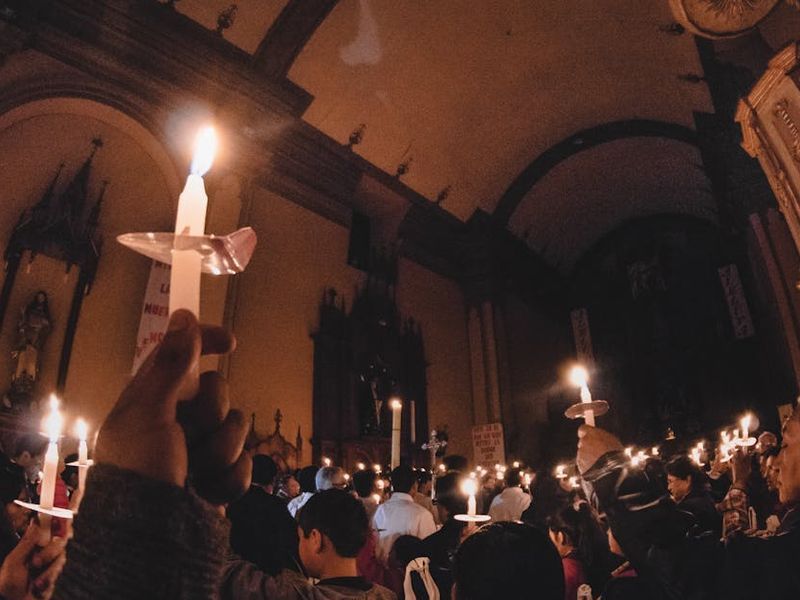
Religious processions, public holidays and local festivals are when Cuenca’s streets come alive. If your trip coincides with Semana Santa, Corpus Christi, or neighborhood patron saint festivals, expect elaborate costumes, crowds and moving processions. These are high-reward occasions—prepare with longer lenses, fast autofocus and extra batteries.
Bird and Macro Opportunities
Even inside and just outside the city there are pockets of biodiversity. Small parks, botanical gardens and family-run feeders in nearby valleys attract hummingbirds and passerines. For bird photography, bring a telephoto lens (300mm+) and a fast shutter speed. For macro work—textiles, flower close-ups and artisan details—carry a dedicated macro lens or extension tubes.
Practical Gear and Settings for Cuenca Shoots
Gear choices depend on your style, but here are safe bets:
- Wide-angle (16–35mm or similar) for streetscapes, cathedral interiors and panoramas.
- Mid-range zoom (24–70mm) for general shooting and travel convenience.
- Telephoto (70–200mm or 100–400mm) for compressed architectural shots, portraits and birds.
- Sturdy tripod for blue-hour city scenes, long exposures in Cajas and HDR interiors.
- Polarizing and ND filters to manage reflections and achieve long-exposure effects.
- Spare batteries and memory cards—cold and altitude can reduce battery life.
Suggested camera settings: for street candid shots use apertures between f/2.8–f/5.6 with shutter speeds 1/250s or faster for moving subjects. For architecture and landscapes favor f/8–f/11 for depth of field. When shooting interiors or low light, bracket exposures for HDR or use a tripod for total control.
Timing and Weather Considerations
Cuenca’s weather can be changeable because of its elevation. Mornings and late afternoons usually provide the best light and fewer crowds. There are broadly drier months (mid-year) when skies are clearer—ideal for mountain vistas—while the wet season often produces dramatic cloudscapes and glowy, diffused light that favors portraits and moody scenes. Carry a lightweight rain cover for your camera and quick-dry clothing for yourself.
Etiquette, Safety and Permissions
Respect and common sense go a long way. Here are practical rules for photographing people and places:
- Ask for permission before taking close-up portraits. A friendly approach earns authentic smiles.
- Be cautious inside churches and museums—tripods and flash may be restricted; check signs or ask staff.
- For organized or commercial shoots (models, large setups), check with municipal offices—some sites require permits.
- Keep an eye on gear in crowded markets; use a crossbody bag and discreet straps to reduce attention.
Sample Photo-Focused Itineraries
Half-Day: Centro Walk for Architecture and Portraits
- Start at Parque Calderón at dawn for cathedral shots and quiet streets.
- Walk along the Río Tomebamba, composing reflective river scenes and bridges.
- Stroll up into Las Peñas for colorful houses, artisan shops and rooftop viewpoints at midday.
- Finish at a riverside café for candid street and people-watching photos.
Full Day: Cajas Sunrise and Mountain Lakes
- Leave before sunrise; aim to be at Cajas’ Laguna Toreadora or similar lake at first light.
- Work reflections, foreground textures (sedge and peat), and changing cloud patterns.
- Stop at viewpoints on the way back to capture the highland road and grazing llamas or sheep.
Extended Trip: Cultural + Ruins
- Combine a morning in Cuenca’s markets and Calle Larga with an afternoon trip to Ingapirca for sunset over the ruins.
- Consider shooting blue-hour cathedral lights on the return to capture urban night atmospheres.
Editing and Post-Processing Tips
Cuenca photos often benefit from subtle enhancements that retain the city’s warm, earthy palette. Bring out texture and detail in stonework with clarity and local contrast adjustments; enhance sky drama with graduated filters; and for portraits, use gentle skin smoothing while preserving local character. For landscape shots from Cajas, careful color grading can emphasize teal/amber tones for a cinematic look without looking oversaturated.
Where to Learn More and Hire Local Support
If you want insider access, consider hiring a local photography guide for an afternoon. They know the best windows for light, hidden alleys in Las Peñas, and local customs around market photography. Local photo tours also simplify logistics for sunrise trips to Cajas or arranging permission for shoots in cultural centers.
Final Tips for Shutterbugs Visiting Cuenca
Cuenca rewards curiosity and slow exploration. Arrive with a flexible plan, charge your batteries, and walk—many photographic gems are found down a side street or in a small courtyard. Balance your days between the city’s human-focused scenes and the open, windswept highlands that surround it. With a little planning and an open eye, you’ll come home with a diverse portfolio: intimate portraits, soaring architectural images and dramatic Andean landscapes.
Whether you’re a landscape shooter chasing reflection lakes in Cajas or a street photographer drawn to the blue domes and market colors, Cuenca’s mix of history, craft and mountain light offers fertile ground for images that linger in the memory.