
Table of Contents
Why Cuenca, Ecuador is the Ultimate Choice for Dental Tourism
When people think of dental tourism they often picture a distant beach, but more and more smart travelers are choosing Cuenca, Ecuador — a UNESCO-listed colonial city perched in the Andes — as the top place to combine excellent dental care with a restorative vacation. Cuenca offers an irresistible mix: dramatically lower prices (often 60–70% less than the US and Canada), highly trained dentists, modern clinics with advanced technology, and a tranquil, scenic environment perfect for recovery.
Dramatic savings without compromising quality
Price is the first reason many patients arrive in Cuenca. For major dentistry such as implants, crowns, and veneers, total costs in Cuenca frequently run 60–70% lower than in North America. That means a full arch implant or a set of porcelain veneers can cost a fraction of the price at home while using the same quality materials. The savings make high-quality dental work attainable, and allow you to combine treatment with travel and luxury accommodations that would otherwise be out of reach.
World-class dentists and modern clinics
Cuenca’s dental professionals are trained at top universities in Ecuador and many at institutions in the U.S., Europe, and Latin America. Clinics in the city invest in cutting-edge technology — digital 3D cone beam CT scans, CAD/CAM milling, intraoral scanners, and sterilization systems that meet international standards. Many practices use internationally recognized implant systems and modern ceramic materials, so patients receive results that stand up to what they’d expect at home.
Personalized care, short wait times, and English support
One of the most praised features of dental tourism in Cuenca is the level of personalized, one-on-one care. Appointments are typically longer and more focused, with dentists taking time for thorough consultations and follow-ups. Unlike long waiting lists in many countries, Cuenca clinics often schedule major treatments within days to weeks. Many clinics also offer English-speaking staff or coordinators to help plan travel, handle logistics, and explain post-op instructions in detail.
Top Cuenca Attractions to Enjoy During Your Dental Recovery
The beauty of choosing Cuenca for dental work is that recovery can feel like a gentle vacation. Cobblestone streets, leafy plazas, and nearby mountain lakes create an ideal environment for rest and recuperation. Here are the top attractions to plan into your dental holiday.
1. Historic Center and Parque Calderón
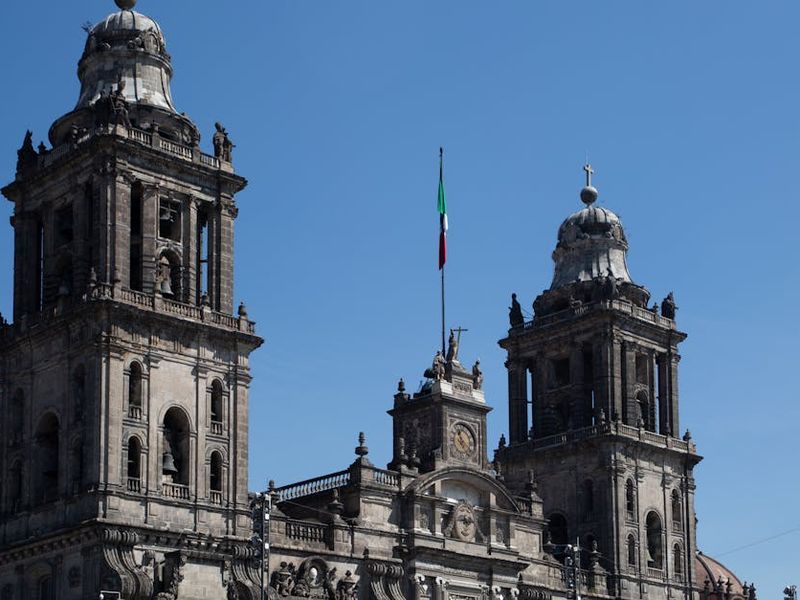
Start with Cuenca’s historic center — a compact, walkable area crowned by the magnificent New Cathedral. Parque Calderón, the central plaza, is an easy, soothing place to stroll while recovering from dental work. Benches, cafes, and gentle people-watching make this area perfect for short outings on the first day after procedures like crown placement or minor implant surgery.
2. Paseo along the Tomebamba River
The riverside pathways along the Tomebamba River are flat, well-maintained, and visually calming — ideal for light walks that promote circulation without overexertion. Take your time to admire colonial buildings, artisan shops, and riverside gardens. These gentle walks help both physical recovery and stress reduction after treatment.
3. Pumapungo Museum and Inca ruins
For a low-impact cultural day, visit Museo Pumapungo, which includes archaeological remains and textile exhibits. It’s a short trip from the city center, mentally engaging without being physically demanding — a good choice for a day when you need to stay seated or limit movement.
4. El Cajas National Park: lakes and fresh mountain air
If your dentist approves gentle outdoor activity, a half-day trip to El Cajas National Park is a memorable excursion. The park’s highland lagoons, peatlands, and crisp air are restorative, especially after short procedures or during an interim recovery period. Opt for a scenic drive and short, flat walks near the park entrance rather than strenuous hikes if you’re in the early stages of healing.
5. Mirador de Turi and handicraft markets
Mirador de Turi offers panoramic views of Cuenca and is a short drive from the city center. The viewpoint area is lined with craft stalls and tea shops where you can relax and shop for toquilla straw hats, locally made jewelry, and souvenirs. Exploring markets at a leisurely pace is an ideal activity during the healing window after dental work.
6. Panama hat workshops and artisan neighborhoods
Cuenca is renowned for its hat artisans. Visiting a toquilla straw hat workshop or artisan neighborhood gives you a culturally rich experience without taxing physical movement. These interactive visits are often short and can be easily scheduled around dental appointments.
7. Local markets and gentle culinary experiences
Mercado 10 de Agosto and numerous small culinary spots let you enjoy Ecuadorian cuisine at your own pace. For the days after surgery, choose soft, nutrient-rich foods like soups, purees, and smoothies. Many cafes and restaurants can prepare mild dishes that fit post-op dietary needs, adding comfort to your recovery.
How to Combine Dental Procedures with Vacation Time: Sample Itineraries
Planning is the key to a successful dental vacation. Below are two sample itineraries that balance treatment timelines, recovery, and sightseeing.
Short implant, crown, or veneer trip (5–7 days)
- Day 1: Arrive, settle into hotel, light walk around Parque Calderón to acclimatize.
- Day 2: Initial consultation and imaging at the clinic; treatment plan finalized.
- Day 3: Minor procedures such as extractions or impressions; rest in the afternoon by the Tomebamba River.
- Day 4: Implant placement or crown/veneer prep; professional aftercare and hotel rest.
- Day 5: Short, gentle sightseeing (museum visit, artisan markets) and follow-up check.
- Day 6–7: Final check or temporary restorations removed; depart or extend stay for final restorations.
This itinerary works well when immediate procedures are planned and labs can fabricate same-week crowns using CAD/CAM technology.
Comprehensive implant or full-mouth rehabilitation (10–14 days)
- Days 1–2: Arrival and acclimation; initial consultation and full imaging.
- Days 3–4: Surgical phase — implant placements; rest and short, restorative outings like Mirador de Turi.
- Days 5–8: Healing, follow-up checks, and sightseeing tailored to comfort level (El Cajas day trip, museum visits).
- Days 9–12: Prosthetic phase — impressions and fitting of crowns or provisional restorations; light activities and final checks.
- Day 13–14: Final adjustments, discharge instructions, and departure or plan for second-phase visit if bone grafts were required.
Longer treatments may require a return visit, but many clinics offer staged plans to minimize the number of trips.
Practical Tips for a Smooth Dental Vacation in Cuenca
Before you go: documentation and communication
Bring your dental records, recent x-rays, medical history, and a list of medications. Many clinics in Cuenca accept digital files in advance; sending records beforehand speeds up consultations and reduces in-person appointment time. Confirm whether your clinic provides a coordinator who handles airport pickup, hotel booking, and translation services.
Acclimatization and altitude considerations
Cuenca sits at about 2,560 meters (around 8,400 feet). For most people this altitude is easily manageable, but some need 24–48 hours to acclimate. Plan heavier procedures after arrival so your body has time to adjust. Stay hydrated, avoid heavy alcohol, and consult with your dentist about any medical conditions that could be affected by altitude.
Recovery logistics: hotels, soft food, and local pharmacies
Choose a hotel close to your clinic to minimize commute stress during the first days of recovery. Many hotels offer kitchenettes which make it easy to store soft foods and medications. Cuenca’s pharmacies are well-stocked and English-friendly, so you can quickly fill prescriptions. Pack soft, nutritious snacks like applesauce, yogurt, and protein shakes to ease the first 48–72 hours after surgery.
Payments, materials, and warranties
Ask for a detailed written estimate that includes lab costs, implant brands, and warranty information. Many clinics accept international credit cards, bank transfers, and cash. Because of the cost advantage, patients can often afford higher-grade materials or extended warranties and follow-up visits included in the price. Always get a written guarantee for prosthetics and implants, and clarify follow-up and emergency policies.
How to Choose the Right Clinic: a Simple Checklist
- Verify dentist credentials and training, including any international education or certifications.
- Confirm technology on-site (digital CBCT, intraoral scanning, CAD/CAM) and sterilization standards.
- Request before-and-after photos of similar cases and ask for references or patient reviews.
- Check the implant systems and restorative materials the clinic uses and inquire about warranties.
- Ensure the clinic offers coordination services: airport transfer, hotel booking, and emergency contact.
- Discuss aftercare and long-distance follow-up options, including virtual check-ins.
Safety, Accreditation, and Insurance Considerations
Many Cuenca clinics follow international infection control protocols and are accredited by national health authorities. While travel medical insurance may not cover elective dental procedures, some insurers offer add-ons for travel-related emergencies. Ask your clinic how they handle complications and whether they work with local hospitals if advanced care is ever needed.
Final Thoughts: Value, Comfort, and Peace of Mind
Choosing Cuenca for dental tourism means more than saving money. It’s about receiving high-quality dental care from skilled professionals, accessing modern dental technology, and recovering in a serene, culturally rich environment. The city’s compact center, mild climate, and abundance of low-impact activities make it uniquely suited for dental vacations. With savings of 60–70% on major procedures, many patients leave Cuenca with both a transformed smile and a memorable travel experience.
If you’re considering implants, crowns, or veneers, Cuenca provides an unbeatable combination: world-class clinical care, short waits, personalized attention, and a beautiful place to rest between appointments. With careful planning and a reputable clinic, your dental trip to Cuenca can be both a smart investment and a restorative escape.
Start by contacting clinics for consultations, compare treatment plans, and schedule your trip around a calm itinerary that prioritizes healing. Then enjoy the best of both worlds: excellent dentistry and the gentle pleasures of one of Ecuador’s most beloved cities.