
Table of Contents
Why Cuenca is a Smart Choice for Social Security Retirees
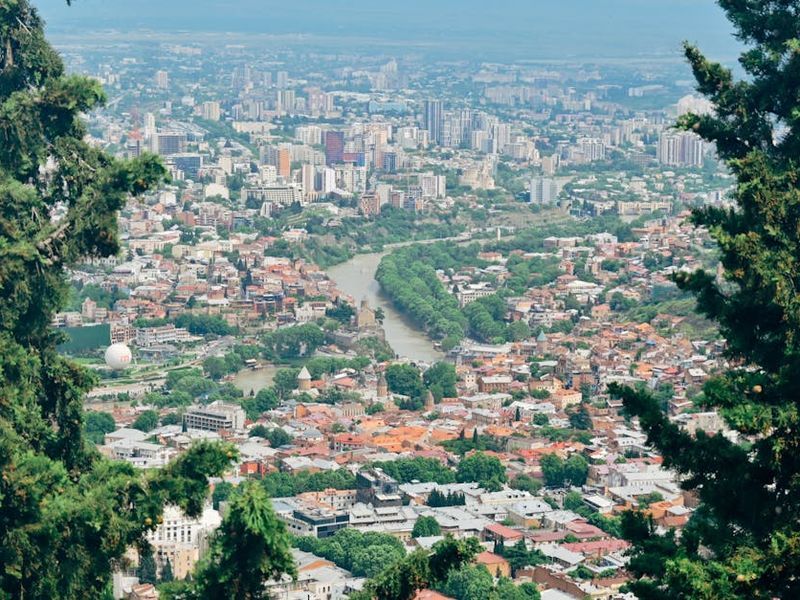
Cuenca, Ecuador combines a mild Andean climate, walkable historic center, modern medical care and a large international community — all at costs that let many U.S. retirees stretch Social Security further than back home. The city’s colonial architecture, lively cultural scene and plentiful services aimed at seniors make it a common destination for Americans exploring long-term retirement outside the United States.
How Social Security Fits with Ecuador’s Retirement Options
Most Americans who retire in Ecuador rely on Social Security as a core source of income. Ecuador offers a specific residency category for people living on lifetime pensions (commonly called the Pensionista visa). The basic idea: if you can document a guaranteed monthly pension (Social Security qualifies), you can apply for resident status that makes living in Cuenca straightforward.
Important practical tip: immigration rules and minimum income thresholds change over time. Start by requesting a Benefit Verification Letter from the U.S. Social Security Administration, and contact the nearest Ecuadorian consulate about current Pensionista requirements. You will likely need your SSA paperwork apostilled and translated to Spanish.
Budgeting: What Your Social Security Check Will Buy in Cuenca
Costs vary by lifestyle, but Cuenca lets many retirees live comfortably on a typical Social Security benefit. Consider these example monthly budgets (USD):
- Frugal: $1,200–$1,600 — basic one-bedroom rental outside the historic core, local food markets, public transportation, limited private healthcare.
- Comfortable: $1,700–$2,500 — nicer one-bedroom or two-bedroom apartment in or near the historic center, eating out occasionally, private doctor visits, modest travel.
- Upscale: $2,800+ — modern condo or house, private health plan, frequent dining and travel, domestic staff or household help.
Examples of typical costs: rent for a well-located one-bedroom can range from roughly $400–$800 depending on neighborhood and amenities; utilities and internet often total $60–$120; groceries can be $200–$400 for two people, and private doctor visits commonly cost far less than U.S. prices (often $30–$60 for many specialists).
Visa and Residency: Concrete Steps to Live Legally in Ecuador
While details change, the typical pathway involves these steps:
- Request an official SSA Benefit Verification Letter showing your monthly amount.
- Have required documents apostilled (state-level apostille for federal documents), then have them translated into Spanish by a certified translator.
- Apply at an Ecuadorian consulate for a Pensionista visa (or present documentation upon arrival if allowed). The consulate will list current income minimums and required paperwork.
- Enter Ecuador with the visa and, within the time allowed, register for temporary residency in Ecuadorian immigration services.
- Complete local procedures to obtain your cédula (Ecuadorian ID card) and register with municipal services; many services require an Ecuadorian phone number and local address.
Practical tip: hiring a local immigration lawyer or a bilingual expat consultant can save weeks of frustration. They help translate forms, book appointments and make sure submissions are complete.
Where to Live in Cuenca: Neighborhoods and Lifestyles
Cuenca’s neighborhoods offer distinct advantages depending on what you want:
- Historic Center (El Centro): cobblestone streets, plazas, churches, restaurants and walkability. Ideal if you want to be in the middle of cultural life and have everything within walking distance.
- Hillside areas (near Turi viewpoint): quieter, panoramic views, more private houses and larger lots — suitable for those wanting a retreat while still near city services.
- Newer residential districts and gated communities: modern condos, secure parking, and amenities like fitness centers — attractive if you want contemporary comforts.
- Suburban parishes and river valleys: lower rents and closer access to nature; you’ll trade a longer commute for more space.
Rent before you buy. Spend at least three to six months renting in a few neighborhoods so you learn commuting patterns, noise levels and seasonal differences before purchasing property.
Healthcare: Coverage, Quality and Cost
Cuenca has several modern private clinics and specialists who routinely treat expats, and the overall quality of care is high relative to cost. Many retirees combine options:
- Enroll in Ecuador’s public system or make voluntary contributions to access public services (check eligibility and costs based on your residency status).
- Purchase private insurance for faster access and bilingual services (shop and compare local providers).
- Pay-as-you-go private care: for many treatments and consultations, paying out-of-pocket in Cuenca is often still cheaper than U.S. co-pays.
Practical tip: bring copies of your medical records and a list of current medications (with Spanish translations). If you take controlled medicines, get documentation showing why you need them and check import rules with Ecuadorian authorities.
Banking, Money Transfers and Social Security Payments
Ecuador uses the U.S. dollar, which simplifies budgeting. Still, you’ll want both a U.S. bank account and an Ecuadorian account. Here’s how to manage money effectively:
- Direct deposit options: verify with the SSA whether you can have Social Security checks sent to a U.S. bank account. Many retirees keep a U.S. account and transfer funds to Ecuador monthly.
- Use low-cost transfer services (Wise, Remitly, or your bank’s wire) to move money; compare fees and exchange timing for the best deal.
- Open a local bank account after you receive residency documents and a local address; this simplifies paying utilities and using local services.
- Carry an international ATM card as a backup, and notify your U.S. bank about your move to prevent frozen cards.
Tax note: U.S. citizens must continue filing U.S. tax returns. Residency in Ecuador can bring local tax obligations depending on your income and time spent in-country. Consult a cross-border tax advisor to avoid surprises and to coordinate how Social Security benefits will be treated by both countries.
Transportation, Mobility and Getting Around
Cuenca is highly walkable in its historic core and has a reliable public bus system for longer trips. Typical transportation considerations:
- Daily needs: walking or short taxi rides are common. Taxis are inexpensive compared to U.S. prices.
- Public buses: cheap and comprehensive; learning routes takes a few weeks but saves money.
- Driving: many expats drive; be prepared for different traffic norms and parking constraints in the center.
- Air travel: Cuenca’s airport connects to Quito and Guayaquil; international connections are usually routed through those hubs.
Learning Spanish and Building Community
Language is the single biggest factor in how quickly you’ll feel at home. Practical approaches that work for retirees:
- Enroll in an intensive class for the first few months to develop basic conversation skills.
- Join language exchanges, volunteer programs or hobby clubs to practice regularly with locals and other expats.
- Use apps for on-the-go practice and hire a tutor for targeted lessons, such as medical or legal vocabulary.
Cuenca hosts an active expat community. Local meetups, English-language church groups, and social clubs make it easy to build friendships while you improve your Spanish.
Practical Moving Tips and Timeline
Start planning at least 6–12 months ahead. A practical timeline looks like this:
- 9–12 months out: Request SSA Benefit Verification, research visa rules, begin language study and book exploratory trip to Cuenca to test neighborhoods.
- 6 months out: Begin downsizing possessions, get medical check-ups, arrange pet paperwork (vaccinations, USDA endorsement), and consult a tax advisor.
- 3 months out: Finalize housing plans, start banking arrangements, apostille and translate documents, and start the visa application process.
- Arrival and first 3 months: Rent short-term, register with immigration, open local bank account, and get a local phone number and cédula if you’re moving permanently.
Tip for pets: Ecuador requires health certificates and endorsements for animal import. Start these steps early — veterinary appointments and export paperwork can require multiple visits.
Staying Safe and Healthy: Cultural and Practical Advice
Cuenca is generally safe compared to many large cities. Petty theft happens, so carry wallets discretely, be cautious at crowded tourist spots, and use hotel safes for passports and extra cash. For health emergencies, identify a nearby clinic and know how to call for help. Keep a list of local emergency contacts and your embassy information.
Culture, Leisure and Finding Purpose
Retirement isn’t just about finances — it’s about quality of life. Cuenca offers museums, music venues, frequent festivals and historic churches. You’ll find outdoor options like nearby hiking, birdwatching and day trips to the Cajas National Park. Volunteering with local charities or teaching English are great ways to give back and form local friendships.
Final Checklist Before You Commit
- Obtain SSA Benefit Verification and apostille your documents.
- Confirm current Pensionista visa requirements and apply through the consulate if required.
- Visit Cuenca to test neighborhoods and healthcare providers.
- Create a realistic monthly budget that includes private health coverage and contingency funds.
- Get medical records, prescriptions (with translations) and plan for pet import procedures.
- Talk with a cross-border tax advisor about U.S. filing obligations and Ecuadorian residency taxes.
Conclusion: Plan Carefully, Embrace the Possibilities
Retiring to Cuenca on Social Security is entirely realistic for many Americans, but success comes from preparation. Secure your immigration paperwork, test the city in person, budget conservatively and build relationships in the local and expat communities. With basic planning — and a willingness to learn Spanish and local customs — you can enjoy a rich, affordable retirement in one of Ecuador’s most beloved cities.
Remember: immigration rules and health policies shift over time. Use this guide to frame your plan, then confirm specifics with official consular channels, local professionals and other expats who have completed the move recently.