
Table of Contents
Why Cuenca is a Magnet for American Expats
Cuenca’s combination of colonial charm, mild mountain climate, affordable living and accessible healthcare makes it one of the most popular Ecuadorian cities for American expatriates. The city’s compact historic center, tree-lined rivers, and vibrant artisan culture create a lifestyle that’s easy to adapt to, and that encourages social connection. For many newcomers, the biggest challenge isn’t finding a place to live — it’s finding people to share that life with. Fortunately, Cuenca has a well-established, friendly expat scene with plenty of entry points.
Neighborhoods Where Americans Tend to Gather
Knowing where others live can help you find community organically. Americans in Cuenca often choose neighborhoods that balance comfort, convenience and character. These areas tend to have better access to services, international restaurants, language schools and small social hubs.
Historic Center (El Centro)
The colonial heart around Parque Calderón is a natural gathering point. It hosts cafés, galleries and the city’s most photographed cathedral. Living here puts you within walking distance of meetups, language exchanges and events aimed at internationals. If you love being at the center of activity, this is a good starting point.
San Sebastián and the Artisan Zone
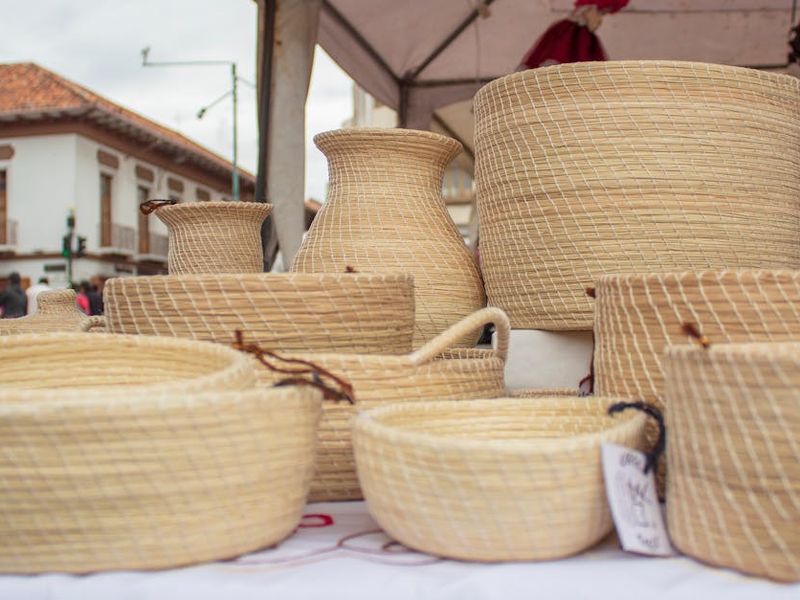
San Sebastián and the nearby artisan neighborhoods appeal to creatives. Narrow streets, independent studios and artisan markets create a community feel where it’s easy to meet fellow art lovers and volunteers who work with local craft cooperative projects.
Riverside and Northside Neighborhoods
Areas along the Tomebamba and Yanuncay rivers and the quieter northern districts attract families and retirees seeking more space. These neighborhoods often host community centers, parks and weekend markets that draw expats for low-key socializing.
Online Hubs and How to Use Them
Before you land, online groups are the fastest way to start building contacts. They’re also where people share practical advice about housing, doctors and legal requirements.
- Facebook groups: Search terms like “Cuenca Expats” or “Americans in Cuenca” usually turn up active communities where locals and long-term expats answer questions and post meetups.
- InterNations and Meetup: These platforms host scheduled events — from business networking to hiking groups — and can be a comfortable first step if you prefer structured gatherings.
- Reddit and Expat forums: Subreddits or international expat forums provide asynchronous support and can be especially useful for researching practical matters like visas or healthcare.
Weekly and Monthly Meetups That Help You Make Friends Fast
Regular gatherings offer the best path to friendship because repetition builds familiarity. Look for these types of events:
- Language exchanges (intercambios): Meet locals who want to practice English while you practice Spanish. These often happen in cafes near the cathedral or in university neighborhoods.
- Walking and hiking clubs: Cuenca is surrounded by incredible natural spaces — Cajas National Park is a favorite — and hiking groups are a social staple. They offer a shared goal and natural bonding time.
- Book clubs, film nights and game evenings: Cultural groups meet at cafés, community centers and private homes, and they’re excellent for quieter, conversation-based friendships.
- Fitness and yoga studios: Multi-week classes make it easy to get to know the same people regularly.
Religious and Spiritual Communities
If you’re looking for deeper social structures and immediate support networks, English-speaking churches and spiritual centers are worth exploring. Cuenca hosts a variety of international congregations — evangelical, Protestant and other denominations — that often offer fellowship dinners, volunteer projects and counseling resources in English. These communities can be especially helpful if you prefer faith-based social life or are seeking family-focused activities such as youth groups and Sunday school.
Volunteering: A Fast Track to Connection and Meaning
Volunteering does double duty: it helps the community and introduces you to people who care about the same issues. There are many ways to get involved:
- Education and tutoring: Schools and after-school programs often need English tutors or classroom assistants.
- Children’s and senior programs: Local nonprofits and church groups run support programs that welcome English-speaking volunteers.
- Arts and preservation: Cuenca’s artisan towns and cultural festivals need hands on deck, and volunteering there connects you to artists and cultural stewards.
Contact organizations through expat groups or local municipal volunteer offices to find legitimate, organized opportunities.
Social Clubs, Service Clubs and Organized Groups
Rotary, Lions and similar service clubs are active in Cuenca and usually accept expatriate members. These clubs provide a structured way to meet professionals, practice Spanish in a formal setting and take part in civic projects. For those seeking deeper engagement, local chapters of hobby clubs — photography, bird watching, cycling — are great because they attract people who already share your passions.
Where to Meet Americans Specifically
While Cuenca’s expat community is international, there are consistent places and patterns where you’ll meet Americans:
- International Schools and Universities: Parents and teachers at bilingual schools and faculty at Universidad del Azuay and Universidad de Cuenca include many North Americans.
- Cafés near Parque Calderón: These cafés are social hubs where long-term expats and digital nomads congregate for conversation and informal meetings.
- English-language services and groups: Church services, book clubs, and veteran-specific organizations often have a strong American presence.
- Healthcare and legal service referrals: Expat-friendly clinics, dentists and visa consultants are frequently recommended in American-oriented threads and lists.
Practical Tips for Building a Strong Support Network
Making friends as an expat is partly strategy: attend the same meetups, be consistent, and show up with curiosity. Here are practical tactics to accelerate connection.
- Make a calendar habit: Pick two weekly activities and stick to them for at least two months. Repetition builds familiarity and trust.
- Offer help first: Small acts — offering to translate a form, sharing a ride to a clinic, or bringing baked goods to a meet-up — make you memorable.
- Be proactive online: Post an introduction in expat groups, announce you’re new and list your interests. People love to welcome newcomers.
- Learn enough Spanish: Even a modest vocabulary will dramatically expand your social options and signal goodwill to local friends.
Navigating Challenges: Culture, Safety and Loneliness
Even the best-connected expats can experience loneliness. Be realistic: forming deep friendships takes time. Keep these practical notes in mind:
- Culture shock is normal: Differences in punctuality, communication style and bureaucracy can be frustrating; patience goes a long way.
- Health and safety: Cuenca is relatively safe compared with many large cities, but petty theft happens. Use common-sense precautions: keep valuables secure and use licensed taxis or reputable ride services at night.
- Know the local help options: Familiarize yourself with emergency numbers, local hospitals and where to get prescription refills. Expats often share trusted provider lists in community groups.
- Be mindful of cliques: Like any community, expats have established subgroups. Don’t be discouraged if it takes time to find your circle; keep trying different groups.
Practical Local Services That Connect You to Community
Several practical services double as social entry points:
- Spanish schools and tutors: They’re not only for learning; classes create small cohorts of expats who bond over weekly study.
- Real estate agents specializing in expats: They often introduce new arrivals to social events and other clients.
- Health clinics and dental offices: Expat-friendly providers commonly have notice boards or handouts listing social groups and clubs.
- Cultural centers and language institutes: They organize events and workshops where internationals and locals meet.
Weekend and Day-Trip Social Opportunities
Weekend trips are a favorite way to bond with new friends. Shared adventures create memories and quicken friendships. Popular options include:
- Cajas National Park: Hiking trips and photography outings attract outdoorsy expats.
- Handicraft towns like Gualaceo and Chordeleg: These markets are perfect for artisan tours and craft-hunting outings with fellow shoppers.
- Hot spring retreats and mountain lodges: Weekend getaway groups often rotate destinations and are a relaxed way to meet people outside the city.
Final Thoughts: Building a Life, Not Just a Network
Finding support and friendship in Cuenca as an American expat is a process that combines being intentional, using the many available resources and stepping a little outside your comfort zone. Whether you prefer casual coffee chats in the historic center, service-oriented meetings through Rotary or faith-based fellowship, there are pathways to meaningful connections. Start online, show up consistently, and invest your time in a few key activities — soon enough, Cuenca will feel less like a destination and more like home.
Quick Resource Checklist
- Join local Facebook expat groups and InterNations
- Attend at least two recurring meetups (language exchange + hobby group)
- Volunteer monthly with a local nonprofit or school
- Explore English-speaking congregations and service clubs
- Plan a few weekend trips to natural and artisan sites to meet other adventurers
With curiosity, consistency and a willingness to try new social venues, American expats in Cuenca can quickly build supportive, lasting friendships and enjoy all the city has to offer.