
Table of Contents
Introduction: More than a Cleaning
Regular dental check-ups are one of the easiest preventive steps you can take to protect your health — and that is true whether you are a lifelong Cuencano or an expat who recently moved to this charming Andean city. Beyond a sparkling smile, routine dental visits detect problems early, prevent pain, and can even reveal signs of broader health issues. This article explains when to go to the dentist, what happens during a visit, why it matters for systemic health, and practical, Cuenca-specific tips to help expats navigate the local dental scene.
Why Routine Dental Visits Are Essential
People often think of the dentist only when something hurts. In reality, many serious problems are painless in the early stages. Routine exams and cleanings catch small issues before they become complex, costly, and uncomfortable. Here are the top reasons regular visits matter:
Prevention of Decay and Gum Disease
Professional cleanings remove plaque and tartar in places your toothbrush and floss can’t reach. If plaque hardens into tartar, it leads to gingivitis, and if untreated, to periodontitis — a destructive gum disease linked to tooth loss. Catching these early through regular visits prevents irreversible damage.
Early Detection of Oral Cancer and Other Conditions
During an exam, a dentist inspects soft tissues for lesions, swelling, or discolorations that could indicate oral cancer or other conditions. Early detection drastically improves outcomes. Dentists also can spot signs of vitamin deficiencies, infections, and even systemic issues like diabetes.
Maintenance of Restorations and Appliances
Fillings, crowns, bridges, dentures and implants need periodic checks. A dentist can repair small problems before they cause failure of a restoration — saving time and money. If you have orthodontics, retainers, or sleep apnea devices, routine follow-ups ensure they work correctly and comfortably.
How Often Should You Visit?
The common guideline is every six months — but the right schedule varies depending on individual risk factors. Here’s how to tailor visits to your needs:
- Low risk (healthy gums, few restorations): every 6–12 months for exam and cleaning.
- Higher risk (history of cavities, gum disease, smokers): every 3–4 months may be recommended.
- Chronic conditions (diabetes, immune disorders): coordinate with your physician and dentist; more frequent monitoring is often wise.
- Children: begin with the first tooth or by age one; then every 6 months to monitor development and fluoride needs.
What Happens During a Routine Dental Visit?
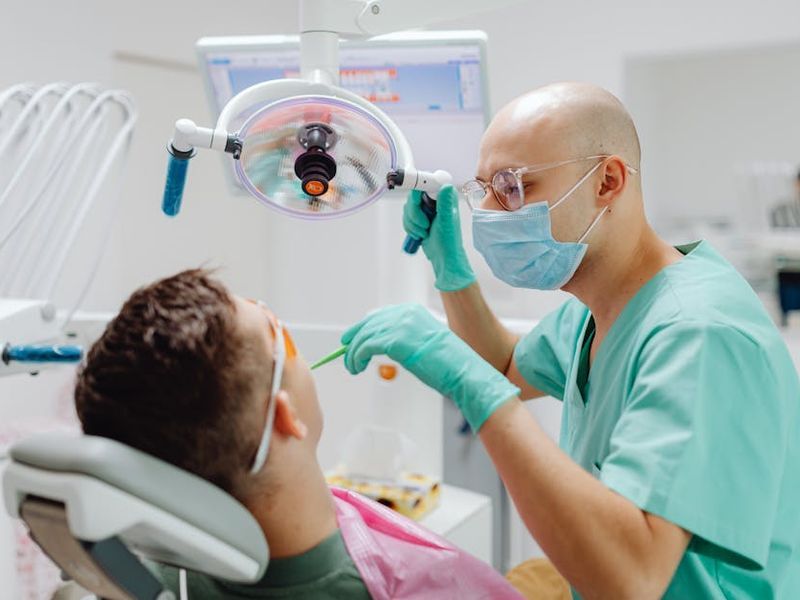
A typical appointment contains several steps — all designed to assess oral health comprehensively:
Medical and Dental History Review
Your dentist will update your medical history, medications, allergies and any new symptoms. For expats, this is a good time to tell the clinic about prior dental work done abroad and share copies of dental records if you have them.
Examination and Diagnostics
The dentist will examine teeth, gums, bite, and soft tissues. Routine X-rays may be taken to detect hidden decay, bone loss, or issues under restorations. If you’re concerned about costs, ask what X-rays are necessary now versus those that can wait.
Cleaning and Polishing
The dental hygienist removes plaque and tartar, polishes teeth, and may apply fluoride. They’ll demonstrate brushing and flossing techniques tailored to your needs, such as using interdental brushes or an electric toothbrush for tight spaces.
Treatment Planning and Education
If problems are found, the dentist explains treatment options, timelines, and costs. Ask for written estimates and request the least invasive option when appropriate. A good dental team will involve you in decision-making and prioritize conservative care.
Dental Care Options in Cuenca
Cuenca has a robust dental community that serves locals and the large expat population. You’ll find a range of options from modern private clinics to public services under Ecuador’s IESS system. Here’s how to choose what’s best for you:
Private Clinics vs. IESS
Private clinics typically offer shorter wait times, English-speaking staff, modern equipment, and flexible scheduling. Many expats prefer private care for convenience. IESS (Ecuador’s social security) provides dental services for contributors and beneficiaries, usually at lower cost, but wait times and appointment availability can be longer. If you qualify for IESS, it’s a good supplement for routine care.
Neighborhoods and Accessibility
Look for clinics near central neighborhoods like El Centro (around Parque Calderón), San Sebastián, or areas popular with expats where bilingual staff and after-hours appointments are more common. Many clinics clusters near major avenues and hospitals, making them accessible by taxi or bus. When choosing, consider how easy it will be to get follow-up care from your home.
Costs and Typical Fees
Fees in Cuenca are generally lower than in North America or Europe. As a rough guide (prices vary by clinic and complexity):
- Routine exam and cleaning: often in the range of $20–$60.
- Simple filling: roughly $30–$100 depending on material and tooth.
- Root canal: can range widely, from $80 to several hundred dollars.
- Crowns and implants: more expensive, but still typically lower than in the U.S.
Always request a written estimate and compare two clinics if possible. Some clinics offer transparent price lists or package deals for expats.
How to Find a Good Dentist in Cuenca
Finding the right dental provider as an expat is more than cost — language, infection control, and trust matter. Use these strategies:
- Ask fellow expats in local Facebook groups, meetup circles or community WhatsApp groups for recommendations and recent experiences.
- Search Google Maps and read recent reviews. Look for clinics with photos of the office and staff bios that show credentials.
- Call ahead to ask about language abilities, sterilization protocols, and whether they accept credit cards or cash only.
- Visit the clinic before committing to major treatment — a short consultation can tell you a lot about the team and facilities.
Preparing for Your First Visit as an Expat
If you’re new to Cuenca, a first dental appointment is a great opportunity to establish a baseline and build rapport with a provider. Here are practical steps to prepare:
- Bring any prior dental records, X-rays, or a list of recent treatments and medications.
- Carry your ID, insurance card (if you have private dental insurance or IESS), and payment method.
- Note any symptoms, sensitivities, or cosmetic concerns to discuss with the dentist.
- Ask for an explanation of recommended treatments in clear language and request an itemized estimate.
Questions to Ask Your Dentist
Being prepared with questions helps you make informed choices. Some useful questions include:
- How often should I return, given my dental and medical history?
- Are there less invasive or lower-cost alternatives to the proposed treatment?
- What are the risks if I delay treatment? What are the expected benefits?
- How do you sterilize instruments and what infection-control protocols do you follow?
- Can you provide references from other expat patients?
Aftercare: Keeping the Benefits of the Visit
Prevention doesn’t stop at the clinic. Follow your dentist’s instructions closely. Typical aftercare tips include:
- Use a soft-bristled toothbrush and fluoride toothpaste; electric toothbrushes can improve plaque removal.
- Floss daily and consider interdental brushes for tight spaces.
- Avoid smoking and minimize sugary drinks and snacks.
- If you’ve had a procedure, follow pain management and diet advice, and keep follow-up appointments.
Special Considerations for Expats
Living in Cuenca offers great dental value, but being an expat brings unique needs. Consider these tips:
Language and Communication
If your Spanish is limited, look for clinics with English-speaking staff or bring a bilingual friend for your appointment. Many dentists in Cuenca have experience with international patients and welcome questions in English.
Continuity of Care
If you travel frequently, choose a clinic that provides digital records or copies of X-rays. Having electronic records makes treatment coordination easier if you return to your home country or move elsewhere in Ecuador.
Insurance and Payment
Check whether your health insurance covers dental care abroad. Many expats pay out of pocket for routine care in Cuenca because fees are affordable. Confirm payment methods beforehand — some clinics prefer cash, while others accept major credit cards or bank transfers.
When to Seek Dental Care Immediately
Some issues require urgent care rather than a routine check-up. Visit a dentist right away if you have:
- Severe tooth pain or swelling
- Signs of infection (fever, pus discharge)
- Loose teeth after trauma
- Significant bleeding that won’t stop
Cuenca has emergency dental services and hospital-based dental units that can manage urgent needs — ask your regular clinic how they handle after-hours emergencies or which local emergency center they recommend.
Conclusion: Invest in Prevention to Enjoy Cuenca’s Life
Regular dental check-ups are an investment in comfort, confidence, and long-term health. For expats in Cuenca, the combination of skilled local dentists, lower costs than many home countries, and expat-friendly clinics makes preventive care accessible. Schedule exams based on your risk, prepare well for visits, and prioritize follow-up care — your smile (and your overall health) will thank you.
Start by booking a baseline check-up and cleaning if you haven’t had one since moving to Cuenca. It’s a simple step that prevents headaches down the road and helps you fully enjoy all the culinary and cultural delights this city offers.