
Table of Contents
Introduction: Why Cuenca’s Markets Matter
Cuenca, perched in the southern Andean highlands of Ecuador at roughly 2,560 meters (8,400 feet), is more than colonial architecture and café culture. Its markets are living arteries of the city where indigenous and mestizo producers meet urban buyers. Whether you’re an expat arranging a move, a long-term traveler, or a local food lover, knowing where to find fresh produce and authentic crafts will make life here richer—and more affordable.
The Main Hubs: Central Markets Where Locals Buy Daily
There are a handful of indoor and covered markets in Cuenca that locals rely on for day-to-day shopping. These places are noisy, fragrant, and packed with good value. Visiting early in the morning—between 6 a.m. and 9 a.m.—is best for the widest selection and coolest temperatures.
Mercado 10 de Agosto (The Big Produce Market)
Mercado 10 de Agosto is the main place many Cuencanos use for large weekly buys. You’ll find long rows of vendors selling seasonal fruits, an impressive variety of vegetables, fresh herbs, dairy products, and a lively meat and poultry section. Prices are generally lower than supermarkets, and buying in bulk or directly from a vendor can save you money.
Practical tips: bring cash (small bills), a cooler bag if you’re buying meats, and a strong tote. If you have dietary needs—like looking for low-acidity produce—ask vendors for suggestions: they’re friendly and knowledgeable.
Mercado Central and Neighborhood Markets
Closer to the historic center you’ll find several covered markets and smaller neighborhood markets that cater to daily customers. These markets are great for a quick produce run, specialty items like local cheeses, empanadas, or ready-to-eat soups, and for getting a feel for local eating habits.
Why visit: These markets are less overwhelming than the big one and make excellent spots to sample snacks, find fresh herbs, and buy just what you need for the day.
Specialty Markets and Organic Fairs
Over the last decade Cuenca has seen a growth in organic and specialty markets—often called ‘ferias’—that attract small-scale farmers and artisan food producers. These are ideal if you want organic vegetables, heirloom tomatoes, artisanal cheeses, kombucha, and baked goods.
Bioferias and Weekend Organic Markets
Look for the weekly bioferias in parks and plazas where producers label their items as organic or pesticide-free. These markets are generally held on weekends, and are prime spots for small-batch honey, fresh microgreens, and creative prepared foods like empanadas stuffed with local cheese and herbs.
Shopping tip: organic goods are pricier but bring unique varieties and a chance to meet the farmer. Ask about how things were grown and whether they have storage tips for the altitude and climate.
Artisan Markets: Where Crafts, Souvenirs, and Quality Meet
Cuenca’s craft scene blends indigenous techniques with contemporary designs. For the best mix of quality and authenticity, set aside time for specialized artisan markets and nearby craft towns that have been making things the same way for generations.
Artisan Stalls in the Historic Center
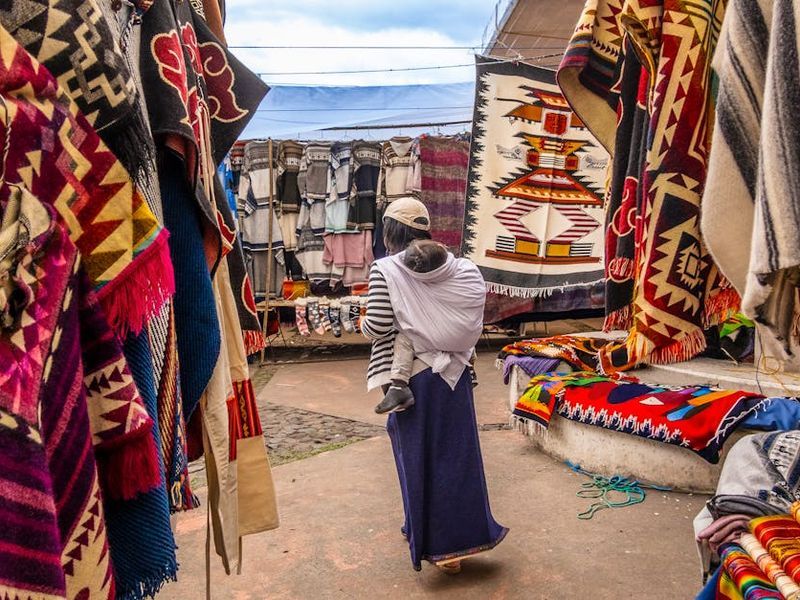
Around the Parque Calderón and several plazas in the Centro Histórico, you’ll find artisans selling textiles, leather goods, hand-painted ceramics, and small silver jewelry. These stalls are convenient for tourists but some vendors are locals producing real handmade items. Look for fine stitching, natural dyes, and ask about the materials used.
Bargaining culture: In tourist-heavy spots, prices may be inflated. A polite haggle is normal for non-fixed-price items—start a safe 10–20% lower than the asking price if it feels high, and always be courteous.
Day Trips That Reward: Gualaceo and Chordeleg
For serious craft shopping, take a short trip outside Cuenca to towns that are famous for their workmanship. Gualaceo is a textile and woven-goods center where you can find shawls, ponchos, and handwoven blankets in regional styles. Chordeleg is widely known for its silver filigree jewelry, an excellent place to buy unique necklaces, earrings, and cufflinks.
Transport and timing: These towns are reachable by bus or taxi and make perfect half-day or full-day trips. Markets and workshops tend to be busiest mid-morning to early afternoon; some artisans take siesta hours, so plan accordingly.
What to Buy: Produce, Fruits, and Local Specialties
Cuenca’s markets are rich with Andean and tropical produce. Because of Ecuador’s varied microclimates, the country supplies a wide range of fruits and vegetables—even in the highlands.
Must-Try Fruits and Vegetables
- Tomate de árbol (tree tomato) – tangy, great for juices and sauces
- Uchuva (goldenberry) – tart and perfect for desserts or snacking
- Mora (blackberry) – widely available and delicious in jams
- Avocado – creamy, used in salads and sandwiches
- Llullucha/chocho/national legumes – local pulses and beans for hearty soups
- Local greens like acelga (chard), espinaca (spinach), and native herbs
Seasonal tip: Because Cuenca is at a high elevation, expect cool mornings and warm afternoons; this influences when produce is harvested and brought to market. Ask vendors what’s freshest that day and try small amounts first to discover new flavors.
What to Buy: Crafts and Souvenirs with Value
When shopping for crafts, knowing a few markers of quality helps you avoid tourist trinkets. Look for:
- Natural materials: wool, alpaca, leather, silver—look closely at fibers and stitching.
- Handmade hallmarks: small irregularities often indicate handmade rather than machine-made.
- Maker stories: vendors who can tell you where and how something was made usually sell authentic goods.
Smart purchases: handwoven textiles, silver filigree from Chordeleg, carved wood objects, and small ceramics. Avoid heavy single-purpose souvenirs that are hard to pack unless you’re committed to bringing them home.
How to Shop Like a Local: Tips for Savvy Buyers
Markets are exciting but a bit chaotic. Follow these practical steps to make shopping efficient, safe, and enjoyable.
Bring the Right Gear
- Reusable bags or a small folding trolley for heavier goods
- Cash in small denominations—many stalls don’t take cards
- A lightweight cooler or insulated bag if you buy meat, cheese, or chilled dairy
- Hand sanitizer and napkins—markets don’t always have facilities
Language and Communication
While many vendors in tourist areas speak some English, Spanish is the best tool. A few phrases—’¿Cuánto cuesta?’ (How much?), ‘¿Me da un poco más barato?’ (Can you give me a cheaper price?), and ‘¿De dónde es?’ (Where is it from?)—will go a long way.
Safety and Etiquette
- Pickpockets are rare but possible in crowded markets—carry valuables in front pockets or a money belt.
- Be respectful when photographing people—ask first.
- Support small vendors directly rather than middlemen where possible.
Getting There: Transportation and Timing
Cuenca is compact but markets are spread across neighborhoods and beyond. Here’s how to plan your visits:
- Walking: The historic center is very walkable; markets near the center are easy on foot.
- Buses: Inexpensive and frequent—ask your accommodation for the correct bus route and number.
- Taxis and ride-hailing: Fast and cheap by international standards—great for early-morning trips or bulky purchases.
Timing: Arrive early for the best produce and the widest selection. Artisan markets and weekend organic fairs tend to be busiest between 9 a.m. and 1 p.m.
Storing and Using Market Finds in Cuenca’s Climate
Because of Cuenca’s high altitude and fluctuating daily temperatures, fresh produce stores differently than at sea level. Here are a few storage suggestions to extend shelf life and reduce waste:
- Leafy greens: wrap in damp paper towels and keep in a perforated bag inside the refrigerator.
- Fruits like avocados and tree tomatoes: keep at room temperature until ripe, then refrigerate.
- Herbs: treat like flowers—trim stems and place in a jar of water, covered loosely with a bag.
- Cheese and dairy: buy from stalls you trust and refrigerate promptly; small producers sometimes sell fresh, unpasteurized items—consume quickly.
Final Notes: Making Markets Part of Your Cuenca Life
Markets are more than places to shop: they’re where you’ll meet neighbors, pick up seasonal knowledge, and find ingredients that define local cuisine. Explore regularly, talk to vendors, and let your purchases guide your meals for the week. With a few trips, you’ll learn the rhythms of produce seasons, the quirks of individual artisans, and where to find the best values.
Whether you’re stocking a new kitchen or hunting for a meaningful souvenir, Cuenca’s markets offer an abundance of fresh flavors and handmade treasures. Take your time, enjoy the experience, and you’ll leave with bags full of delicious food and one-of-a-kind crafts—plus a better understanding of life in this remarkable Andean city.