
Table of Contents
Why Cuenca Belongs on Every Photographer’s Itinerary
Cuenca, Ecuador’s colonial jewel in the southern Sierra, is compact, walkable, and filled with visual contrasts: ornate cathedrals, mossy Inca ruins, colorful riverside houses, and highland páramo within easy reach. For shutterbugs, that means a dense concentration of subjects — architecture, street life, markets, landscapes and crafts — all inside a city that sits at 2,500+ meters of elevation with soft Andean light most of the year.
Essential Camera Gear for Shooting in and Around Cuenca
Pack for variety. A small, versatile kit keeps you mobile on cobbled streets and winding trails:
- Wide-angle lens (16–35mm or 18–55mm) for cathedral interiors, streets and landscapes.
- Standard zoom (24–70mm) — your workhorse for travel portraits and architecture.
- Telephoto (70–200mm) for compressing cathedral domes, distant hills and candid street moments.
- Macro or a short tele for details — jewelry at Chordeleg or weavings at Gualaceo.
- Tripod for dawn/dusk, night scenes and long exposures along the Tomebamba.
- ND filter for silky rivers and cloud motion in Cajas National Park.
- Extra batteries, memory cards, rain cover and a secure camera strap or sling.
Top Urban Photo Locations in Cuenca
1. Parque Calderón and the New Cathedral (Catedral Nueva)
Start in the heart of the city at Parque Calderón. The cathedral’s massive blue domes create an unmistakable skyline and are especially evocative at sunrise and blue hour. Walk the arcades around the square for different angles; a wide-angle lens captures the domes and surrounding colonial facades, while a telephoto helps isolate dome details and rooftop textures.
2. Rio Tomebamba and the Barranco
The river that cuts through Cuenca is lined with nooks, terraces and bridges. Look for colorful houses clinging to the banks and the stone bridges that connect both sides. The walkway along the river offers wonderful leading lines and reflections during calm mornings. For moody shots, aim for an overcast morning or late afternoon when the light is softer.
3. Pumapungo Archaeological Park and Museum
Pumapungo contains Inca ruins, canals and an ethnographic museum with native artifacts. Stone terraces and water channels make for great texture shots; the museum courtyards are excellent for portraiture with historical context. At certain times of year, local gardeners cultivate flowers in the ruins — perfect for combining nature and stonework in your compositions.
4. Calle Larga, Calle del Sucre and Colonial Alleys
These pedestrian streets are full of character: merchants, artisan shops and colonial balconies create layers of visual interest. Use a mid-telephoto to compress street life or a wide-angle to include the full architectural frame. Morning is best to avoid crowds, but late afternoon light can produce long, slanted shadows down the alleys.
5. Monasterio de las Conceptas and Quiet Cloisters
For calm, intimate compositions, photograph the cloisters and convent courtyards. The stonework, carved wood and historical implements offer texture and soft light through arched walkways. Interiors can be dim; bring a fast prime and consider exposure bracketing or high-ISO techniques.
Panoramic and Vantage Points
Mirador de Turi
Turi sits on a hill just south of downtown and delivers sweeping views of Cuenca’s rooftops and the cathedral domes. It’s the classic sunrise and sunset vantage, especially when the valley fills with morning mist. Arrive early to set up a tripod and scout foreground interest — terraces, prayer flags or local vendors can add scale and context.
El Vado / San Sebastián Lookouts
Smaller neighborhood miradors provide different lines of sight: tight compositions with a natural foreground, or angles that feature the river carving through the city. These spots are handy for golden-hour sessions without the tourist crowds at Turi.
Best Times & Seasonal Considerations
Cuenca’s climate is temperate year-round, but photography conditions shift through the months. The drier window tends to be June through September; those months give clearer skies and crisp distant views. Expect more clouds and occasional light rain outside that period, which is useful for moodier images and dramatic skies.
Golden hour is long at this altitude; plan dawn sessions for quiet streets and mist in the valleys. Blue hour highlights the cathedral lighting beautifully. Midday can be harsh—use it for markets, detailed close-ups and high-contrast scene studies.
Markets, Crafts and Street Portraits
Mercado Central and Neighborhood Markets
Markets are terrific for vibrant color and atmospheric portraiture. Fruit stalls, flower bouquets, and kitchen scenes make for dynamic compositions. Keep a fast lens (f/2.8 or faster) and be ready for quick candid moments.
Day Trips: Chordeleg and Gualaceo for Artisan Detail Photography
Short trips from Cuenca reveal artisans practicing traditional crafts. Chordeleg’s silver filigree and Gualaceo’s textiles are superb for macro and detail work. Travel by local bus from the terminal; artisans are usually happy to discuss their work — bring small cash if you plan to buy and ask before photographing a person or their workspace.
Landscape Options Within an Hour
Laguna Llaviucu and Cajas National Park
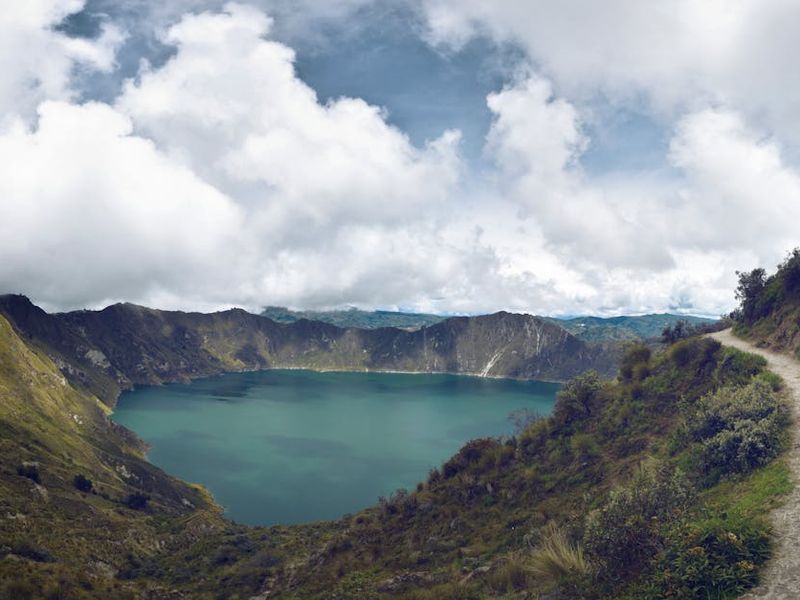
For Andean landscapes, head to Cajas National Park (about 40–60 minutes by car). Rugged lakes, peatlands and misty páramo provide expansive nature scenes. Pack warm layers — weather changes quickly — and an ND filter if you want long-exposure shots of fast-moving clouds and lake surfaces.
Rural Villages and Textile Fields
Drive east or south from Cuenca and you’ll find terraced fields, thatched roofs and small markets — ideal for environmental portraits and agricultural studies. Shoot early in the morning for farmers heading to the fields, or during harvest activities when color and movement are high.
Compositional Tips & Technical Advice
- Use leading lines: walkways along the Tomebamba or cathedral steps guide the viewer into the frame.
- Frame with arches and balconies to add depth to architecture shots.
- Meter for highlights in church interiors — exposure bracketing and HDR can save details in high-contrast scenes.
- For candid street portraits, develop rapport: a polite Spanish phrase like “¿Puedo tomarle una foto?” and a small smile works wonders.
- Carry a small reflector or use existing light to lift faces in markets and alleys.
Ethics, Permissions and Drone Use
Respect is essential. Always ask permission before photographing people up close; some Indigenous or older subjects may prefer not to be photographed without a small fee or a printed photo. Use discretion around religious ceremonies and private spaces. For drones: national and municipal rules apply—many urban and historic zones prohibit drone flights. If you plan to fly, check the latest Ecuadorian regulations, ask at local tourist offices and carry any required permits.
Safety and Practical Travel Tips for Photographers
Cuenca is generally safe, but camera gear attracts attention. Keep equipment close, use a discreet bag, and avoid flashy displays of expensive gear in quiet streets after dark. Use taxis or app-based rides when carrying a lot of kit between spots. Hydrate and acclimatize to the altitude — the high sun and physical exertion can be tiring.
Sample Itineraries for Different Types of Shooters
Half-Day Urban Walk (Architecture & Street Life)
- Start at Parque Calderón at dawn for cathedral shots.
- Wander Calle Larga and the surrounding arcades for street portraits.
- Cross the Rio Tomebamba for riverside compositions and the Barranco houses.
- Finish at a riverside cafe for blue hour photos of the domes.
Full Day: Towns & Artisan Detail
- Morning: Bus to Chordeleg for silver workshops and market scenes.
- Midday: Lunch in Gualaceo and textile markets; close-ups of looms and fabrics.
- Late afternoon: Return to Cuenca for rooftop or Mirador de Turi sunset shots.
Landscape Day: Cajas National Park
- Leave early for sunrise at a lagoon; expect changing weather.
- Hike to multiple viewpoints — use wide-angle and ND filters.
- Return via lakeside trails for late-afternoon reflections and wildlife glimpses.
Post-Processing Tips to Make Your Cuenca Photos Pop
In editing, emphasize the blue of the cathedral domes and the warm tones of colonial facades for contrast. Use selective clarity to enhance stone texture in ruins, and brush out distractions in market shots to keep attention on subjects. For landscapes, subtle dehaze can restore detail in misty scenes without overpowering the atmosphere.
Final Notes: Keep Exploring and Experimenting
Cuenca rewards repeat visits: light shifts with seasons, festivals bring new color and life, and small neighborhoods reveal fresh compositions. Mix wide environmental shots with intimate details — the city’s charm is in both the skyline and the seamstress at her loom. Above all, remain curious, respectful and patient: the best photos in Cuenca often come from lingering and waiting for that decisive moment.
Ready your gear, learn a few Spanish phrases for polite interactions, and plan a mix of sunrise vistas, riverside walks and market dives — your portfolio will thank you.