
Table of Contents
Why Cuenca is a Magnet for American Expats
Cuenca’s mix of colonial charm, temperate climate, lower cost of living, and quality healthcare makes it one of the most popular cities in Ecuador for American expats. But beyond pretty streets and affordable cafés, building a social network is the key to feeling at home. This guide maps where Americans most often gather in Cuenca, how to plug into groups and services, and practical tips to make real friendships with both expats and locals.
Where Expats Tend to Live: Neighborhoods and What They Offer
Expats in Cuenca cluster in a few recognizable areas. Choosing a neighborhood influences daily social opportunities, access to English-speaking services, and lifestyle.
Historic Center (El Centro)
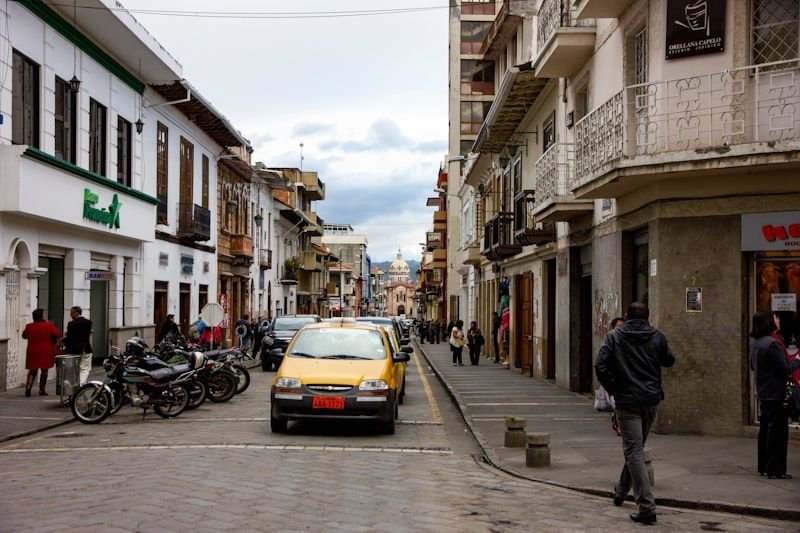
The Historic Center—including the area around Parque Calderón and the new cathedral—is the most popular spot for newcomers. Cobbled streets, riverside promenades along the Tomebamba, and easy walking access to museums, restaurants, and expat-friendly businesses make it ideal if you want to be in the middle of the action. Many social meetups, walking tours, and cultural events happen here.
San Sebastián and Nearby Central Barrios
San Sebastián and nearby central barrios offer quieter streets while staying within easy walking distance of the plazas. These neighborhoods are popular with those who want a balance between local life and proximity to expat services—language schools, small clinics, and community centers are often a short walk away.
El Batán and Residential Outskirts
Families and people who prefer apartment buildings or more modern housing often choose El Batán or residential areas on the city’s edges. These neighborhoods give more spacious living options and sometimes gated communities; they’re a short taxi ride to the Historic Center and have their own social pockets where neighbors meet in local cafés and parks.
Turi and Hilltop Views
Turi, perched on a hill with sweeping city views, attracts people who love scenic walks and a quieter pace. The famous mirador (viewpoint) is a weekend draw for both locals and expatriates, and small social gatherings—sunset meetups, photography outings—are common here.
Online Communities and Clubs: Where to Find Support Quickly
When you first arrive, online groups are the quickest way to find help, recommendations, and social events. Look for these platforms:
- Facebook groups: Search for groups dedicated to expats in Cuenca, Americans in Cuenca, and caregiving or retiree groups. They’re active and often the first place people post questions about rentals, doctors, and meetups.
- Meetup and InterNations: These platforms host regular gatherings—language exchanges, dinners, hiking groups, and cultural outings.
- Local English-language media: Publications such as The Cuenca Dispatch and CuencaHighLife (magazine and online sites) list events, volunteer needs, and expat resources.
Regular Meetups and Social Hubs
The social life for Americans in Cuenca mixes informal meetups, organized clubs, and recurring events. Here are places and types of gatherings where friendships form:
Newcomer and Social Clubs
Newcomer groups and international clubs organize coffee mornings, city orientation sessions, and interest-based gatherings. These are excellent for people who want a structured way to meet other expats, learn local tips, and find practical services like plumbers or English-speaking doctors.
Language Exchanges and Spanish Classes
Language schools, private tutors, and informal language exchanges are social gold. Look for group classes near the University of Cuenca or cultural centers; language exchanges often pair native English speakers with Ecuadorians learning English, creating an easy path to cross-cultural friendships.
Cafés, Bakeries, and Book Clubs
Many friendships begin over coffee. Regularly visiting the same café or bakery—especially those near the Tomebamba River or Parque Calderón—leads to casual chats that grow into invitations to dinners, gallery openings, and local festivals. English-language book clubs and film nights are also common and very social.
Volunteer Work: A Fast Track to Meaningful Local Connections
Volunteering is one of the best ways to meet Ecuadorians and long-term expats alike. Hands-on projects create shared purpose and regular contact, which builds deeper relationships faster than casual meetups.
Common Volunteering Opportunities
- Animal shelters and rescue groups—these often need hands-on help and fundraising support.
- Education and tutoring—English tutoring in schools or community centers introduces you to families and local culture.
- Environmental projects—Cuenca is a gateway to Parque Nacional Cajas; conservation groups and clean-up events attract outdoor-minded people.
- Community kitchens and senior centers—provide meaningful service and real social immersion.
How to Find Volunteer Openings
Check local Facebook groups, English-language publications, and bulletin boards at cultural centers and the University of Cuenca. Many volunteer coordinators speak English or will gladly work with bilingual volunteers.
Faith and Community Centers
Churches and community centers offer another important social avenue. Many churches in Cuenca have English-language services or bilingual ministries that attract American expats. Beyond worship, they often organize potlucks, charity drives, and small group programs that are welcoming to newcomers.
Healthcare, Legal Help, and Practical Support
Access to information about healthcare, banking, and legal services is a common reason expats seek out community networks. The main public hospital, Hospital Vicente Corral Moscoso, and several private clinics in the city offer quality medical care. Expat groups are invaluable for recommending English-speaking doctors, dentists, and specialists.
Financial and Residency Help
Major Ecuadorian banks and money services operate in Cuenca, and expat groups often have current recommendations for friendly banks and trustworthy lawyers who help with residency paperwork, pensions, and property matters. Before signing long-term leases or buying property, ask multiple community members for referrals and share experiences in online forums.
Cultural Events and Festivals: Natural Conversation Starters
Cuenca’s cultural calendar provides easy ways to mix with locals and other expats. From temporary craft markets near museums like Museo Pumapungo to religious processions and neighborhood festivals, these events are social magnets. Attend parades, monthly art openings, or live music nights to meet people who share your interests.
Practical Tips for Making Friends That Last
Making friends abroad takes intention, consistency, and cultural sensitivity. Here are practical tips that work in Cuenca:
- Learn Spanish basics quickly. Even simple greetings, thanks, and small talk open doors and show respect.
- Be a regular. Frequent the same café, market stall, or park—people notice and start conversations.
- Host small gatherings. Inviting neighbors for coffee or brunch builds a circle faster than attending large, one-off events.
- Exchange skills. Offer to teach English, help with computer tasks, or lead a hobby group; reciprocity solidifies friendships.
- Be patient and persistent. Local friendships can take longer to develop, but they often become deeper and more meaningful.
Safety, Etiquette, and Everyday Living Tips
Cuenca is generally safe by regional standards, but common-sense precautions apply: use well-lit streets at night, keep valuables out of sight on buses, and ask locals about areas to avoid. Social etiquette matters too—Ecuadorians are warm and polite. A handshake, hug, or cheek kiss in social settings is common; learn when to use formal titles in conversations, and always go slower when discussing personal topics.
Sample Weekly Plan to Build Community
Here’s a practical weekly routine to plug into social life quickly:
- Monday: Attend a beginner Spanish class near the University of Cuenca.
- Wednesday: Go to a language exchange night or book club in the Historic Center.
- Friday: Volunteer at an animal shelter or community kitchen once a week.
- Saturday: Join a guided hike to Cajas or a photography walk at Turi.
- Sunday: Attend a morning service or brunch with newly met friends; stroll along the Tomebamba in the afternoon.
Integrating with Locals: Moving Beyond the Expat Bubble
While it’s comfortable to stick to American friends, deeper integration comes from participating in Ecuadorian life. Shop at local mercados, take a cooking class to learn traditional recipes, attend local soccer matches, and show genuine curiosity about customs and family life. Locals appreciate humility and genuine interest more than flashy displays of wealth.
When to Seek Professional Support
There are moments when you’ll need more than friendship—finding reliable healthcare, legal help, or mental health services are common. Turn to the expat community for recommendations but verify credentials directly. English-speaking therapists, bilingual legal firms, and international patient coordinators at clinics can provide support when issues get complicated.
Final Thoughts: How to Make Cuenca Feel Like Home
Finding support and friendship in Cuenca is an organic process: start by using online groups to get immediate answers, then layer in face-to-face activities like classes, volunteering, and neighborhood gatherings. Over time, you’ll build a blended network of fellow Americans, long-term expats, and Ecuadorian friends. The city’s human scale, cultural richness, and active expat scene make Cuenca an ideal place to rebuild a social life—with patience, curiosity, and a willingness to step into local rhythms, you’ll find the support you need and friendships that last.
Ready to get started? Join a local Facebook group, sign up for a Spanish class near Parque Calderón, and introduce yourself at a weekend market—you’ll be surprised how quickly the city returns the hello.