
Table of Contents
Why Cuenca is Magnetic for Expat Artists
Perched high in the Ecuadorian Andes, Cuenca blends colonial architecture, striking light, and a rich artisan tradition that makes it a quietly powerful magnet for artists. The city’s manageable size, walkable historic core, and proximity to rural villages known for weaving and jewelry let expat creatives shift scales—from detailed still life studies in a café window to sweeping landscapes above the city.
Beyond the obvious postcard shots, Cuenca’s creative fuel comes from small daily moments: the way sunlight pools on tile roofs at dusk, the rhythm of vendors along the river, and the patterns in indigenous textiles arriving from nearby markets. This guide maps neighborhoods, natural viewpoints, cultural hubs, and practical tips to help you find fresh subjects and comfortable working routines.
Historic Center: Cobblestones, Domes and Constant Inspiration
The Centro Histórico is where most artists begin. Narrow streets open onto plazas framed by colonial facades and the cathedral’s blue domes, offering an endless line-up of compositional opportunities. Mornings bring soft, diffuse light—ideal for watercolor and pencil studies—while golden hour bathes rooftops in warm tones perfect for oil or acrylic work.
Highlights for setting up a quick sketch or longer session include the tree-lined squares around the main cathedral, cafés with window seating along pedestrian Calle Larga, and quiet alleys that reveal archways and layered balconies. Because the area is compact, you can hop between scenes within minutes, experimenting with different palettes and formats.
Tomebamba Riverwalk: Light, Reflections and Urban Details
The Tomebamba River cuts through Cuenca’s heart and provides one of the most rewarding stretches for plein-air painting. Stone embankments, tile steps, and flowering guava trees create recurring motifs for studies in reflection, texture, and movement. Photographers and painters alike return to the riverbanks to capture the changing interplay between architecture and water.
Look for spots where laundry lines, bridges, and terraced gardens meet the water—small human details often inject the strongest narrative into a scene. Early mornings and late afternoons offer calmer water and softer tones, while midday is excellent for high-contrast line work.
Miradores and Rooftop Views: Turi, El Vado and Beyond
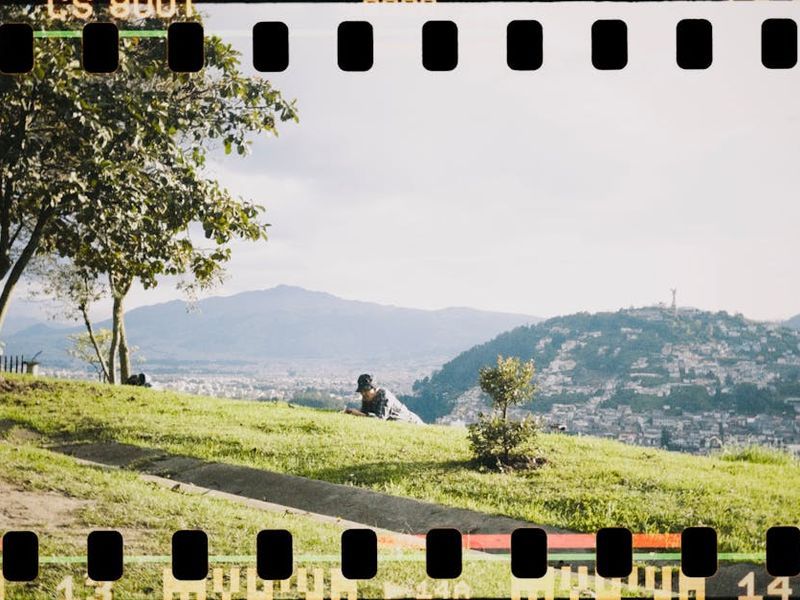
For panoramic compositions or dramatic cityscapes, head up to one of Cuenca’s miradores (viewpoints). Mirador de Turi, on a hill to the south of the city, is the classic vantage point—an open plaza with sweeping views across tile roofs and the Andes beyond. Smaller rooftop cafés and terraces across the historic center also offer unobstructed views that are perfect for large canvases or photography studies.
If you’re working in oil or acrylic and want to capture the city at sunset, set up where you can paint uninterrupted; mornings tend to be calmer with fewer tourists. Consider sketching or making color notes first, then returning with your full kit during a quieter hour.
Art Centers, Galleries and Creative Hubs
Cuenca supports a lively arts infrastructure. Casa de la Cultura (Núcleo del Azuay) runs exhibitions and workshops and is a great place to connect with local artists and find solo or group shows. The city also hosts contemporary galleries along Calle Larga and surrounding streets—an easy crawl that reveals new exhibitions and artist-run spaces.
Look for monthly openings, artist talks, and collaborative events; these are where you’ll meet the local art community and hear about residencies, shared studio spaces, and pop-up project opportunities. Many galleries welcome short residencies or collaborative projects, so don’t hesitate to introduce yourself and your work.
Neighbourhoods for Studio Work and Quiet Observation
Several barrios (neighborhoods) are particularly attractive to expat artists. Barrio San Blas and San Sebastián are older artisan neighborhoods where small workshops and family-run studios still operate. You’ll find metalworkers, weavers, and potters whose everyday practices make excellent documentary subjects and source material for pattern and texture studies.
El Centro remains popular for artists who want to be in the middle of the action; if you prefer quieter residential zones, explore the neighborhoods near Parque de la Madre or around the river’s outer edges. Short-term studio rentals or shared spaces appear regularly—ask at galleries and cultural centers, or check local expat groups for leads.
Markets and Artisan Towns: Gualaceo, Chordeleg and Local Textiles
Day trips beyond Cuenca are a goldmine for material culture inspiration. The town of Gualaceo is renowned for textiles and colorful woven goods; its markets brim with patterns, dye techniques, and traditional clothing that translate well into mixed-media work. Chordeleg, a short drive away, is famous for silver jewelry and delicate metalwork—wonderful for close-up studies of line, shadow, and reflective surfaces.
Bring a portable camera and small sketchbook to document motifs and color combinations. If you plan to work on-site in a market, compact supplies and quick-drying mediums make the experience far less stressful.
Cafés, Co-Working Spaces and Places to Make Art
Café culture in Cuenca is strong, and many cafés welcome artists who want to work while they sip local coffee. Choose places with wide windows and stable tables for drawing. Cafés along Calle Larga and near Parque Calderón combine atmosphere with reliable Wi-Fi for posting work or researching local themes.
For more formal studio time, look for co-working and creative hubs that offer day passes or monthly plans. These spaces often host workshops and critique groups, providing both equipment and community. If you need specialized facilities—printmaking presses, kilns, or large-format printing—ask galleries or the Casa de la Cultura for referrals to artists with private studios willing to share their tools.
Light, Weather, and Working Outdoors
Cuenca’s climate is mild, with an average altitude of about 2,560 meters (8,400 ft), so expect brisk mornings and pleasant afternoons. The city experiences a wet season and a drier season—typically more rain from about October through May, and a drier stretch from June through September. Always carry a lightweight rain jacket and waterproof bag for your artwork.
Light changes quickly at altitude, and the color temperature shifts noticeably in late afternoon. For plein-air work, make small color studies and value sketches on-site, then move to the studio to finish larger pieces. A portable folding stool, a sturdy sketching board, and a set of neutral-density gray cards will help you record accurate values and avoid frustration when translating scenes to studio work.
Finding Supplies, Frames and Local Materials
Art supplies are available in the historic center and around main commercial streets. Smaller shops stock paints, papers, and brushes suitable for everyday work, while larger suppliers in the city can special-order canvases or niche pigments. Many artists supplement imported supplies with locally-sourced materials—natural pigments, reclaimed wood, or woven textiles from nearby towns—to create truly local work.
Frames and shipping materials are affordable: ask at framing shops in the center for help preparing work to be displayed or shipped internationally. If you plan to sell or send pieces abroad, research customs and export rules in advance to avoid surprises.
Community, Workshops and Safety Nets for Newcomers
Joining local groups is the fastest route to feeling at home. Look for artist meetups, gallery openings, and weekend workshops hosted by cultural centers. Social media groups and English-language expat forums frequently list classes, studio shares, and craft markets. Building relationships with local artisans—textile weavers, ceramicists, metalworkers—opens new collaborative possibilities and provides deep cultural exchange.
In terms of safety, Cuenca is considered one of Ecuador’s safer cities, but normal urban precautions apply: secure your gear, avoid isolated spots after dark, and keep small valuables out of sight while sketching in busy markets. Store important documents and originals in a locked safe or a trusted host’s care when you travel.
Practical Tips for Exhibition and Selling Work
Small galleries and cafés in Cuenca are receptive to exhibiting work by resident artists—especially if you bring a cohesive series and a clear proposal. Start with a pop-up at a café or a fundraising exhibit at a cultural center to build a local following. Local collectors appreciate authenticity: work that reflects regional craft, color, and subject matter often resonates deeply.
For pricing, research what local artists charge and be realistic about market levels. Consider offering prints or smaller editions to make your work accessible while you build your reputation. If you want to ship work internationally, partner with a reliable framer and packing service to ensure pieces arrive undamaged.
Daily Routines That Keep Creativity Flowing
Establish a rhythm that blends exploration and focused studio time. A typical artist routine in Cuenca might include a morning sketch along the Tomebamba, midday studio work or gallery visits, and late-afternoon color studies at a mirador or in a nearby market. Reserve one day a week for sourcing materials or visiting neighboring craft towns—these excursions often recharge your visual library and inspire new series.
Keep a habit of taking quick photo references and writing short notes about light, scent, and sound to bring intangible elements into your studio practice. Over time, these small observations become the heart of work that feels both local and personal.
Closing Thoughts: Make Cuenca Your Creative Laboratory
Cuenca offers an exceptional balance of old-world visual richness and modern artistic infrastructure—ideal for expat artists who want to dive into a new cultural environment without feeling stranded. Whether you are hunting for urbanscapes along the Tomebamba, chasing color in a textile market, or carving out quiet studio hours above the city, the key is to stay curious and connected. The city’s textures, traditions, and light don’t just provide subjects—they offer a living palette to transform and reinterpret.
Bring a spirit of exchange, explore neighborhoods slowly, and let the rhythms of Cuenca reshape your practice. Over time you’ll find that the city doesn’t just inspire individual pieces—it becomes part of the story behind your work.