
Table of Contents
Why Cuenca is the perfect base for day trips
Cuenca’s compact historic center, reliable transport links and highland location make it an ideal jumping-off point to explore southern Ecuador. Within an hour or two you can swap colonial plazas for glacial lakes, pre-Inca stonework, artisan workshops and dramatic mountain viewpoints. Whether you’re based in Cuenca for a weekend or for months, these day trips let you experience wide-ranging landscapes and local culture without packing for a long journey.
How to plan your day trip: timing, transport and weather
Start early to make the most of daylight—many attractions are busiest late morning and close by mid-afternoon. Cuenca sits at about 2,560 meters (8,400 ft), so temperature swings are common: mornings can be crisp, afternoons pleasantly warm and evenings cold. Dry season (June to September) is usually the most reliable for hiking and views, but the highlands can be gorgeous year-round.
Transport options vary by destination: public buses and colectivos are budget-friendly and frequent for popular towns; private taxis, rental cars, or small-group tours add convenience and flexibility. Most day trips depart from Cuenca’s Terminal Terrestre or from central Calle Larga, and cash is the favored payment method in smaller towns and markets.
Cajas National Park: lakes, trails and páramo
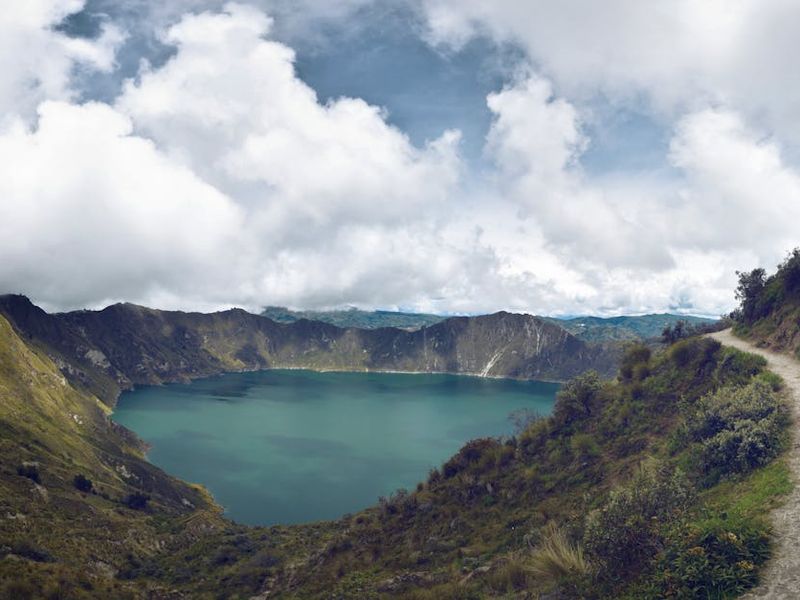
Less than an hour from Cuenca, Parque Nacional Cajas is a high-altitude paradise of glacial lakes, winding trails and páramo vegetation. Hikes range from short walks to full-day treks—popular options include the short loop around Laguna Toreadora and longer routes toward Laguna Llaviucu and giants of the páramo. The landscape feels otherworldly, with low, tussocky grass, stunted shrubs and bright blue lakes framed by rolling hills.
Practical tips: bring warm layers, waterproofs and sunscreen. Trails can be boggy; wear sturdy hiking shoes. If you don’t want to self-guide, local guides from the park entrance offer explanations on flora, fauna and Andean ecology. Expect to see wild birds like the Andean condor (occasionally), hummingbirds and Andean geese.
Gualaceo & Chordeleg: craft villages and market life
For a taste of Ecuador’s artisan traditions, head east to the twin towns of Gualaceo and Chordeleg—about 30–45 minutes from Cuenca. Gualaceo’s lively markets and textile workshops are ideal for browsing woven shawls, alpaca products and colorful handcrafts. Chordeleg, often called Ecuador’s silver capital, is famed for filigree jewelry and finely crafted earrings and bracelets.
Practical tips: arrive mid-morning when shops and market stalls are fully open. If you negotiate prices, do so politely—locals appreciate friendly haggling. Many workshops will demonstrate their craft; ask to see the process and consider buying directly from makers to support communities.
Ingapirca: Ecuador’s largest Inca site
About 1.5–2 hours north of Cuenca lies Ingapirca, the most important Inca archaeological site in Ecuador. The complex blends Inca stonework with earlier Cañari structures and centers on a semi-circular Temple of the Sun built with impressive precision-cut stones. The site is compact enough for a half- to full-day visit, and excellent interpretive signs help put the ruins into historical context.
Practical tips: combine Ingapirca with a stop in nearby Cañar or Azogues for a full-day loop. Wear comfortable shoes—the site involves walking over uneven stones. Bring water and a hat: the highland sun can be intense even when temperatures feel mild.
Sigsig and the valley viewpoints: off-the-beaten-path panoramas
Sigsig, a small canton southeast of Cuenca, offers authentic rural landscapes and dramatic viewpoints over deep river valleys. The town itself has a charming central plaza and simple markets, but the real attraction is the surrounding countryside: steep terraces, colorful roadside flowers and miradores (lookout points) that photograph beautifully at sunrise or late-afternoon light.
Practical tips: Sigsig is ideal for photographers and for travelers who want a quieter, less touristy feel. Rent a car or hire a driver to visit multiple miradores in one day and to time visits for the best light. Pack a picnic to enjoy with a view.
Nabón: caves, community tourism and natural pools
Nabón, about 60–90 minutes from Cuenca depending on route, is a lesser-known destination with surprises: cave systems, thermal pools and community-run tourism initiatives. Local guides lead hikes to limestone caves with stalactites and small underground waterways, and seasonal cascades and pools are refreshing spots for a dip after a hike. Community-run homestays and workshops offer cultural experiences like weaving demonstrations.
Practical tips: this is a place to bring small-denomination cash and to respect community rules—many activities are operated by local cooperatives. Wear shoes you don’t mind getting wet for cave visits and take a flashlight or headlamp if you want to explore deeper caverns with a guide.
Paute and the trout route: rivers, viewpoints and local cuisine
The Paute valley offers lush river scenery and a culinary highlight: trout (trucha) farms and family-run restaurants serving fresh-caught trout grilled or fried with local sides. The area is pleasant for a slow day of visiting viewpoints, a riverside lunch, and easy walks along terraces and through small settlements. Paute’s landscape demonstrates how agriculture shapes Andean valleys with orchards, maize and potato terraces.
Practical tips: take a friend willing to share dishes—you’ll want to sample several preparations of trout. Ask locals for their favorite eateries; some of the best meals are in modest establishments where farmers and workers eat daily.
How to choose the right day trip for your interests
Match your energy level and interests to a destination. Choose Cajas for nature and hiking, Gualaceo/Chordeleg for shopping and cultural immersion, Ingapirca for history, and Nabón or Sigsig for quieter rural experiences. If you have limited mobility, opt for scenic viewpoints, markets, or short loops rather than long hikes or ruins with uneven stone paths.
Combine destinations strategically: you can pair Gualaceo and Chordeleg in a single half-day to full-day trip, or visit Paute on the same day as Sigsig for a scenic loop. Ingapirca and Cañar towns work well together as a longer day trip if you start early.
Practical packing checklist and health notes
- Clothing layers: fleece or sweater, breathable base layer, and a lightweight waterproof jacket.
- Sturdy walking shoes or hiking boots—many trails are muddy or rocky.
- Sunscreen, sunglasses, and a hat—UV can be strong at altitude.
- Reusable water bottle and snacks—some rural areas have limited options.
- Small-denomination cash for market purchases, entrance fees and tips.
- Basic first-aid items and any personal medications; altitude is moderate but bring remedies for headaches if you’re sensitive.
Local etiquette and cultural tips
Be respectful when photographing people—ask permission, especially in markets and rural communities. Tip artisans by paying fair prices or asking about how their craft is made; many workshops welcome visitors and will explain techniques. Learn a few Spanish phrases: a simple “buenos días,” “por favor,” and “gracias” goes a long way. Support community-based tourism when possible—small cooperatives reinvest earnings locally.
Sample itineraries for different traveler styles
Nature lover (Cajas short hike)
6:30 AM depart Cuenca → 8:00 AM arrive Cajas visitor center → 8:30 AM hike Laguna Toreadora loop (2–3 hours) → 12:30 PM lunch back in Cuenca or at a roadside comedor → afternoon stroll in the historic center.
Culture and shopping (Gualaceo + Chordeleg)
8:00 AM depart Cuenca → 9:00 AM explore Gualaceo market and textiles → 11:00 AM arrive Chordeleg for silver workshops and lunch → 3:00 PM return to Cuenca for a relaxed evening.
History and views (Ingapirca)
6:30 AM depart Cuenca → 9:00 AM guided tour of Ingapirca ruins → 12:30 PM lunch in a nearby town or picnic with views → 3:30 PM optional stop in Azogues or Cañar on return.
Safety, money and final tips
Cuenca and the surrounding countryside are generally safe for travelers, but usual precautions apply: keep valuables secure, avoid flashing expensive electronics in quiet areas, and use licensed taxis or trusted drivers when traveling late. Many smaller vendors and rural businesses accept only cash, so bring local currency. If you prefer not to drive, local tour companies offer comfortable day trips that include transport, entrance fees and a guide—helpful for independent travelers who want logistics taken care of.
Wrap-up: make the most of the Cuenca region
From the misty lakes of Cajas to the careful stonework of Ingapirca, the area surrounding Cuenca is rich in landscapes, traditions and hidden corners waiting to be explored. Whether you’re hiking, shopping for silver, visiting caves or savoring trout by a river, each day trip adds a different texture to your experience of Ecuador. Plan wisely, pack in layers, and don’t be afraid to stop for a roadside pastry or an impromptu photo with a scenic backdrop—some of the best travel memories are the unexpected moments between destinations.
Ready to explore? Choose a trip that fits your pace and leave room for detours—the highlands of Ecuador are full of surprises.