
Table of Contents
Why Cuenca Tops the List for Dental Tourism
If you’re weighing options for dental implants, crowns or veneers, Cuenca, Ecuador deserves serious consideration. This charming Andean city is emerging as a world-class dental tourism hub because it combines dramatic cost savings (often 60–70% less than the US and Canada) with highly trained dentists, modern clinics using cutting-edge technology, and an unbeatable recovery environment. In short: exceptional value without sacrificing quality.
Cost Savings That Make Real Dental Work Possible
One of the primary reasons patients travel to Cuenca is the price. Dental implants, porcelain crowns and veneers in the U.S. or Canada can be prohibitively expensive; many people simply cannot afford a full-mouth rehabilitation at home. In Cuenca, comparable materials and procedures often cost 60–70% less. That means implants, crowns and veneers that would normally require tens of thousands of dollars can be completed for a fraction of the cost — allowing patients to get more comprehensive treatment, better materials, or additional procedures they would otherwise postpone.
World-Class Dentists Educated at Top Schools
Cuenca dentists frequently train at respected Ecuadorian universities and continue specialization courses internationally. Many have postgraduate training in implantology, prosthodontics and esthetic dentistry, and regularly attend international conferences. Clinics often advertise bilingual staff and dentists who have completed fellowships abroad, ensuring communication, modern techniques and standards consistent with global best practices.
Modern Clinics and Advanced Technology
Dental clinics in Cuenca increasingly feature modern equipment such as digital X-rays, cone-beam CT (CBCT) scanners, intraoral scanners, CAD/CAM milling and 3D printing. These technologies allow precise planning, digital smile design and more predictable implant placement. Many clinics partner with local and international dental labs that produce zirconia crowns, layered porcelain veneers and screw-retained implant prostheses to high standards.
The Healing Advantage: Cuenca’s Recovery Environment
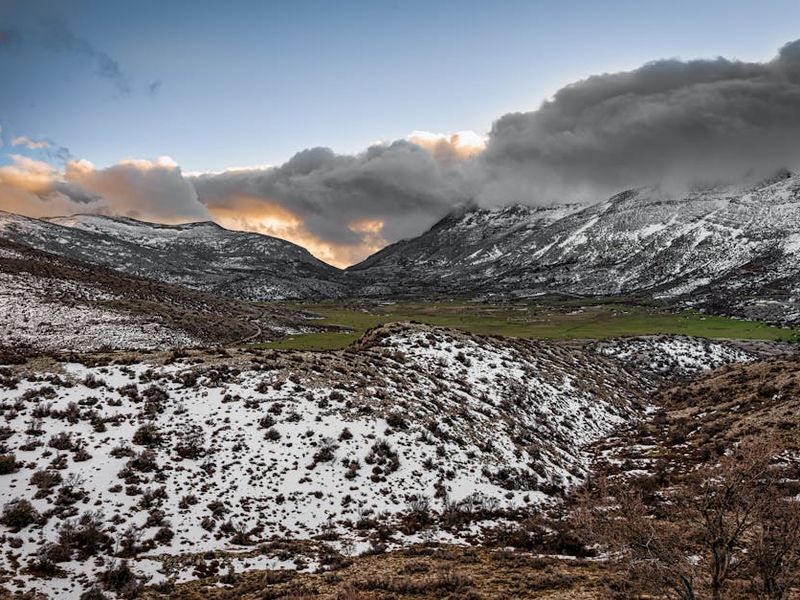
Cuenca’s mild, spring-like climate and tranquil cityscape are ideal for post-op recovery. Nestled at roughly 2,560 meters (about 8,400 feet) in the southern highlands, the city offers cool, stable weather — no extreme heat or humidity — which many patients find comfortable after dental procedures. Cuenca’s compact historic center, tree-lined rivers like the Tomebamba, world-class parks and calming cafés make resting or gentle strolling an enjoyable part of recovery.
Combine Dental Work with a Memorable Vacation
Dental vacations are unique because they blend healthcare with relaxation and exploration. In Cuenca you can pair dental appointments with day trips to Cajas National Park, visits to the Ingapirca ruins, or afternoons wandering the UNESCO-listed historic center. Light activities such as museum visits, craft markets (Gualaceo and Sigsig nearby), gentle hikes and thermal spa visits are perfect for recovery days. Choose Cuenca and your dental trip becomes a restorative getaway.
Short Wait Times and Personalized, One-on-One Care
One major frustration with dental care in larger countries is long waitlists. In Cuenca, clinics usually offer quicker scheduling and more personalized attention. Many practices pride themselves on one-on-one consultations, longer appointment times, direct access to the dentist rather than being passed through multiple intermediaries, and coordinated care that includes labs, surgical planning and post-op follow-up. This level of service translates to higher patient satisfaction and fewer unexpected delays.
What Procedures Are Best Suited to a Dental Vacation?
Cuenca is particularly strong for:
- Single and multiple dental implants
- All-on-4 and immediate-load full-arch solutions
- Porcelain crowns and implant crowns
- Porcelain and composite veneers for smile makeovers
- Bone grafts and sinus lifts (in qualified cases)
Many clinics offer combined treatment plans that start with diagnostics and surgery during a single trip, followed by lab-produced final restorations on a later visit — or sometimes the final prosthesis is made and fitted during the same vacation depending on your case.
Typical Timelines (What to Expect)
Each case is unique, but here are common timelines for planning purposes:
- Single implant: initial consult and placement in a 5–7 day trip; final crown usually after 3–4 months of healing (some clinics provide a temporary restoration).
- Multiple implants / All-on-4: 7–14 day initial trip for surgery and temporary prosthesis; final fixed prosthesis often placed 3–6 months later or sooner if immediate loading is appropriate.
- Crowns and veneers only: many can be completed in 3–7 days if digital workflows and local labs are used.
How to Choose the Right Clinic in Cuenca
Start by researching clinics online and requesting detailed treatment plans and cost breakdowns. Here are practical tips to vet providers:
- Ask for before-and-after photos and patient testimonials for the specific procedure you need.
- Confirm the dentist’s training, certifications and any international coursework or memberships.
- Make sure the clinic uses diagnostic CBCT scans and digital planning tools for implants.
- Inquire about implant brands and prosthetic materials — reputable clinics often use recognized international implant systems such as Straumann or Nobel Biocare, and high-quality zirconia or layered porcelain for crowns.
- Check for clear written guarantees or follow-up policies for implants and prostheses.
- Request a detailed written estimate including surgeon fees, materials, lab fees and follow-up visits.
Travel Logistics: Getting to and Around Cuenca
Cuenca has an international airport (Mariscal Lamar, CUE) with connections through Quito and Guayaquil; many international visitors connect via those cities. Some travelers prefer arriving in Quito or Guayaquil and taking a short domestic flight or a scenic bus ride to Cuenca. Once in the city, most modern clinics offer pickup, drop-off and concierge services that simplify logistics. Staying in the Historic Center (near Parque Calderón) places you within walking distance of many clinics, cafes and pharmacies — an advantage when you’re recovering.
Best Time to Travel and What to Pack
Cuenca enjoys relatively stable weather year-round. The drier months are typically June through September, which can be pleasant for light outdoor recovery activities. Avoid heavy exertion for the first 48–72 hours after major surgery due to altitude and healing considerations. Pack comfortable clothing, extra pillow for elevation if needed, sunglasses, a small travel cooler for soft foods, a reusable water bottle, and copies of medical records and medications.
Pre-Trip Preparation: How to Make the Most of Your Dental Vacation
Plan ahead to maximize efficiency and minimize stress:
- Request a teleconsultation and send current X-rays or CBCT scans before booking flights. Many clinics will create a preliminary treatment plan remotely.
- Confirm whether the clinic will provide temporary teeth during healing or if you need to arrange temporary prosthetics at home.
- Check prescription and medication plans (antibiotics, pain relief, chlorhexidine rinse) and whether the clinic provides them on-site.
- Arrange a follow-up plan — some patients return for final restorations while others receive final prostheses shipped internationally after lab completion.
- Notify your primary dentist back home and request copies of charts and X-rays for continuity of care.
Day-of-Surgery and Aftercare Tips
On the day of implant placement, expect a calm, professional environment with pre-op instructions explained clearly. After surgery:
- Follow the surgeon’s guidelines: soft diet for the first 7–14 days, avoid heavy lifting or vigorous exercise for several days, and keep follow-up appointments.
- Take prescribed antibiotics and pain medications as directed and use cold compresses for swelling.
- Stick to soft, nutrient-dense foods such as soups, smoothies, mashed vegetables, yogurt and avocado while healing.
- Attend the clinic’s follow-up visits — clinics that specialize in dental tourism typically schedule multiple check-ins to monitor healing.
Safety, Accreditation and What to Watch For
Most clinics that cater to international patients maintain high standards of sterilization and patient safety. Still, you should always verify infection-control protocols, ask about sterilization policies, and confirm that the restorative work will use certified dental materials. If something unexpected occurs after you return home, many Cuenca clinics offer remote follow-up consultations and will coordinate with your local dentist when necessary.
Sample Itineraries for Different Goals
Here are example itineraries to help you plan:
- Single Implant Trip (Quick Visit): Day 1 teleconsult/arrival; Day 2 scan and planning; Day 3 implant placement and temporary; Days 4–6 rest and follow-up; fly home Day 7. Final crown placed after healing, either during a second short trip or arranged to be done locally.
- All-on-4 Smile Makeover: Day 1 arrival and consult; Days 2–4 surgery and placement of immediate-load temporaries; Days 5–10 adjustments and recovery; return home with a follow-up schedule; final prosthesis fitted 3–6 months later.
- Crowns and Veneers: Day 1 consult; Day 2 digital scans/prep; Days 3–6 temporary fittings and final placement if lab time allows — many veneer and crown cases can be completed in one week.
Why the Value Is So Strong in Cuenca
When you add up the benefits — 60–70% lower costs, skilled dentists with international training, modern digital clinics, fast scheduling, and a beautiful, restful city to recover in — the overall value of getting implants, crowns and veneers in Cuenca is hard to beat. Patients routinely report that not only did they save money, they received more attentive care and a higher-quality experience than they expected.
Final Tips Before You Book
1) Do your homework: request detailed estimates, credentials and before/after photos. 2) Schedule a teleconsultation to confirm your treatment plan pre-trip. 3) Allow adequate recovery time in Cuenca — even a little extra rest can improve outcomes. 4) Keep copies of all dental records and communicate with your home dentist for continuity of care. 5) Choose clinics that provide clear warranties and follow-up support.
Conclusion: A Dental Vacation That Restores More Than a Smile
Cuenca, Ecuador offers a powerful combination of affordability, expertise and hospitality that makes it one of the best destinations in the world for dental implants and cosmetic dental work. If you want to stretch your dental budget without cutting corners, enjoy personalized care, access modern technology and recover in one of South America’s most beautiful cities, Cuenca may be the perfect place to plan your dental vacation. With thoughtful planning and the right clinic, you can return home with a healthier mouth and the kind of care that truly transforms your smile and your confidence.
(Note: Always consult with a qualified dental professional to determine the best individual treatment plan for your needs.)