
Table of Contents
Why Cuenca attracts American expats
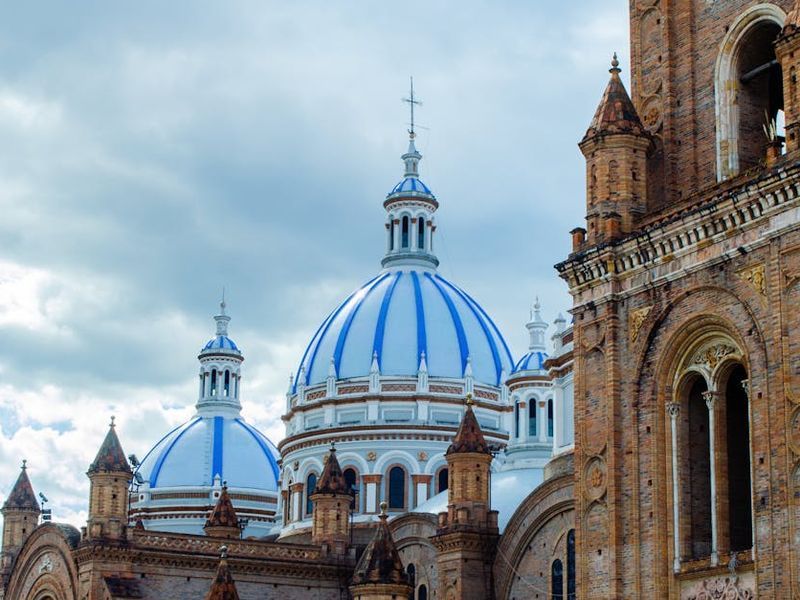
Cuenca, Ecuador’s charming UNESCO-listed city, has long been a favorite for American expats seeking a slower pace, lower living costs, and a walkable historic center. Its mild Andean climate (~2,500–2,800 meters elevation), reliable healthcare options, vibrant arts scene, and friendly locals make it ideal for retirees, remote workers, and families alike. But moving isn’t just about finding a nice apartment or a clinic—it’s about building social networks and practical supports that turn a city into home.
Where expats naturally cluster: neighborhoods and daily life hubs
Americans in Cuenca often choose neighborhoods that match their lifestyle priorities. Instead of a single “expat ghetto,” the city offers a mix of options where English speakers mix easily with Ecuadorians.
Historic Center (Centro Histórico)
Living near Parque Calderón puts you in the heart of daily activity: cafes, churches, restaurants, and cultural events are steps away. Expats who enjoy festivals, short walks to museums, and meeting people over coffee find Centro perfect. Apartments here are usually older with colonial charm and walkability—excellent if you prefer to be able to stroll to markets and theaters.
San Sebastián and riverside areas
San Sebastián and neighborhoods along the Tomebamba River offer a quieter historic feel with cobbled streets and art studios. Many foreign residents choose apartments or restored homes in these areas for a balance of local character and expat-friendly amenities.
Residential neighborhoods on the city’s slopes
For those who want newer construction, more green space, or sweeping city views, the southern and eastern slopes of Cuenca have modern condos and gated communities. These neighborhoods tend to attract families and retirees seeking peace yet still want easy access to the center.
Clubs, meetups, and organized groups where Americans make friends
Most social life for expats starts with groups and regular meetups. Here are the typical places Americans find strong social networks.
Expat and English-speaking groups
Facebook groups and Meetup.com communities are the most active first step to meet people. Groups dedicated to “Cuenca expats” or “English speakers in Cuenca” host everything from casual coffees to larger monthly gatherings. These are great for newcomers who want to ask practical questions—about residency, healthcare, or where to buy certain groceries—and to find people with similar interests.
International clubs and service organizations
Organizations like Rotary, Lions, and international women’s clubs are active and welcoming. They mix expat and local members and provide volunteer opportunities and social calendars—perfect for Americans who enjoy structured activities and community service.
Language exchanges and Spanish classes
One of the fastest ways to make local friends is an intercambio—a language exchange. These usually meet at cafes or parks and pair native Spanish speakers learning English with native English speakers learning Spanish. Many language schools (including university programs at the Universidad de Cuenca) also host social activities and cultural outings for students. Joining a Spanish course not only improves communication but provides built-in social time.
Where Americans find practical support
Beyond socializing, expats need administrative, medical, and lifestyle supports. Cuenca has established resources that make those first months easier.
Residency and legal help
Many Americans rely on attorneys or relocation specialists to navigate visa options—pensionado (retiree), rentista, or professional visas are common pathways. Local expat groups frequently recommend trusted lawyers and visa services, and you’ll often find others organizing group consultations which can save both time and money.
Healthcare and insurance
Cuenca’s mix of public and private healthcare attracts expats. Major public hospitals and private clinics provide reliable care, and many expats choose local private clinics for English-speaking staff. Expat forums and local groups are a good place to get personal recommendations for family doctors, dentists, and specialists—and to learn which pharmacies carry imported medications.
Banking, money transfers and practical services
Established expats can guide newcomers through opening local bank accounts, arranging international transfers, and dealing with utilities. Many recommend keeping a small buffer in an international account while you set up local banking. In-person advice from other Americans often accelerates the process far more than navigating Spanish-language bureaucracy alone.
Finding friendship through shared interests
People bond over shared hobbies. In Cuenca there’s no shortage of ways to pursue interests and meet like-minded people.
Fitness, dance, and outdoor groups
Yoga studios, gyms, and dance schools attract a mixed crowd. Salsa and folk dance classes are fun cultural introductions, while hiking groups take advantage of nearby destinations like El Cajas National Park. These groups are often multilingual and include both locals and expats—a relaxed environment for making friends while staying active.
Arts, classes and cultural meetups
Cuenca’s art scene—galleries, artisan markets, and ceramics studios—offers countless ways to connect. Many expats enroll in painting, photography, or pottery classes. Regular cultural events, often held near the cathedral and river, are also common meeting points.
Cafes, coworking and remote-work communities
Remote workers gravitate to coworking spaces and cafes with reliable Wi-Fi. These spots become natural nodes for friendship and professional networking. Coworking spaces frequently host social hours, workshops, and speaker events that help newcomers plug into both the expat and local entrepreneurial communities.
Volunteer options to build deeper connections
Volunteering is one of the best ways to connect with locals and make meaningful friendships faster than casual meetups. Options range from teaching conversational English at community centers to helping animal shelters and environmental groups. Volunteering not only supports important causes but helps expats learn cultural context and language while expanding their social network.
Family life: schools, activities, and parenting groups
Families with children find community through international or bilingual schools, sports clubs, and parenting groups. Schools often host family events, potlucks, and parent-teacher social activities that create a strong support network. Local parks, child-centered cultural workshops, and weekend markets are also great places to meet other parents.
Practical tips for connecting quickly
Want to accelerate the process of making real friends? Here are practical steps based on what works for many American expats in Cuenca:
- Join a few online groups before you arrive—introduce yourself and ask about meetups in your first week.
- Sign up for a Spanish class with a social component or language exchange sessions (intercambios).
- Attend weekly community events like farmers’ markets, cultural nights, or church services that interest you.
- Try volunteering for one project—regular commitment builds deeper ties than one-off events.
- Use coworking spaces if you work remotely; they’re hubs for both social and professional contacts.
- Say yes to invitations—even brief coffee meetups can turn into lasting friendships.
Common cultural differences and how to navigate them
Adjusting to local norms makes social integration smoother. Ecuadorians are generally warm and family-oriented, and relationships may take longer to deepen than in many U.S. settings. Expect slower rhythms in service and bureaucracy; patience and a smile go a long way. Learning Spanish—even at a basic level—signals respect and opens doors. Finally, mixing local friendships with an expat circle helps balance practical support with cultural immersion.
Where to find trusted local advice
Experienced expats are often the best source of practical knowledge. Dependable local resources include well-known English-language community websites and publications focused on living in Cuenca, active Facebook groups, and Meetup communities. When in doubt about a medical, legal, or financial decision, ask for multiple recommendations and consider consulting professionals who specialize in expatriate services.
Stories from the community: examples of how friendships form
Community stories show how friendships form organically in Cuenca: a retired teacher joined a church potluck and later co-founded a book club that mixes Ecuadorian and American literature; a remote developer met colleagues at a coworking space who invited him to weekend hikes in El Cajas; and a family who arrived with limited Spanish found a network through their child’s bilingual school and a volunteer tutoring program. These examples highlight that different entry points work—what matters is showing up consistently.
Final thoughts: patience, curiosity, and openness
Making friends takes time, but Cuenca’s mix of cultural richness, community organizations, and active expat networks makes it easier than many cities. Approach the city with curiosity, invest in language learning, and engage in activities you enjoy. Over months, casual meetups will solidify into meaningful relationships and practical support systems that turn your new city into a true home.
Quick checklist for newcomers
- Join local online expat and English-speaking groups.
- Sign up for a language class or intercambio.
- Attend at least two community events each week your first month.
- Find a volunteer opportunity that matches your skills or passions.
- Explore neighborhoods in person to find the right fit for your lifestyle.
- Ask long-term residents for recommendations on doctors, banks, and lawyers.
Cuenca is a city where kindness and hospitality are real assets. For American expats, the path to friendship and community is paved with coffee conversations, cultural curiosity, and a willingness to step into the local rhythm. With small, consistent efforts you’ll find both practical support and friendships that make life here rich and rewarding.