
Table of Contents
Why Cuenca attracts American expats
Cuenca, Ecuador has become a top choice for Americans seeking a slower pace, lower cost of living, and a high quality of life at elevation. With a UNESCO-listed historic center, tree-lined rivers, and a mild, spring-like climate year-round, the city offers walkable neighborhoods, friendly local markets, and reliable services that make settling in straightforward. This guide explains which neighborhoods tend to be the most American-friendly — meaning they have the amenities, safety, and expat networks that many Americans expect — and what to consider when choosing where to live.
How to use this guide
Read the neighborhood profiles to match lifestyle priorities — walkability, quiet residences, modern condos, or river views. Each profile covers the vibe, typical housing, proximity to services, transport, and tips to help you quickly assess whether the area fits your needs. Later sections cover practical matters: rental hunting, healthcare access, safety, and daily life.
Top neighborhoods Americans choose in Cuenca
Historic Center (Centro Histórico / Parque Calderón)
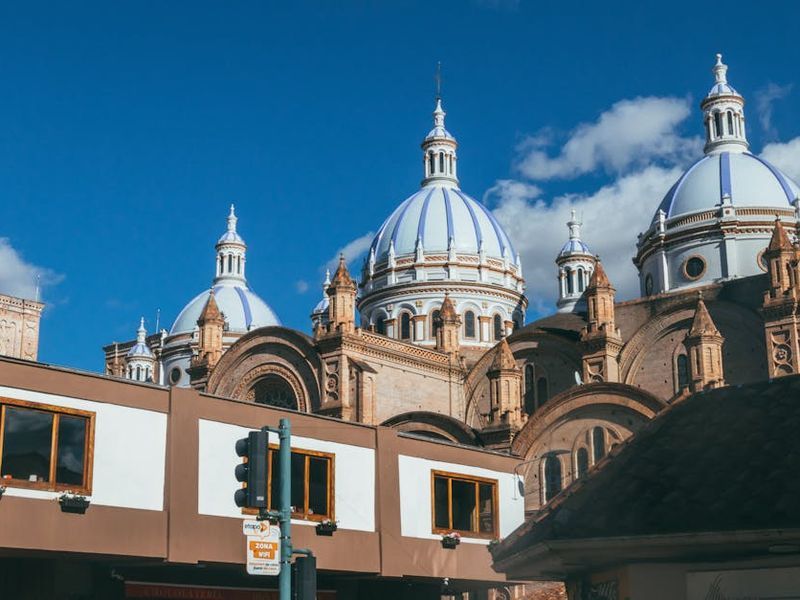
The Historic Center is the heart of Cuenca: cathedrals, plazas, artisan shops, and cobbled streets. Many Americans gravitate here for the convenience — cafés, restaurants, banks, and cultural events are all within walking distance. Apartments range from refurbished colonial flats with high ceilings to modern condos overlooking the rivers or cathedral.
Pros: Extremely walkable, lively cultural scene, short walks to major services and buses. Cons: Noise during high tourist season and fewer quiet backyard spaces. Tip: If you want the energy of city life with easy access to services, choose a quiet street a block or two off the main plazas.
San Sebastián (artists’ quarter)
San Sebastián hugs the hills south-east of the center and has an artsy, village feel. Narrow lanes, studios, and independent cafés make it attractive to Americans who value local culture and a close-knit community. It offers easy access to the river and museums while still feeling a bit removed from the busiest tourist corridors.
Pros: Charming atmosphere, active arts community, good for walkers. Cons: Cobblestones and steep streets can be challenging for mobility issues. Tip: Look for properties with modern heating and hot water systems — older houses sometimes lack consistent hot water.
El Batán (residential, family-friendly)
El Batán is a predominantly residential neighborhood north of the center that appeals to expats seeking quieter streets, family homes, and green spaces. Expect two- to three-bedroom houses and newer apartment complexes. Many families and longer-term expats choose El Batán for its peaceful vibe and proximity to neighborhood services without being far from downtown.
Pros: Quieter streets, good value for houses and apartments, community-oriented. Cons: Slightly farther from the very center — plan for a short taxi or bus ride. Tip: If you need reliable parking or a yard, this is one of the better spots in the city.
Tomebamba Riverfront & Ribera neighborhoods
Neighborhoods along the Tomebamba River are prized for scenic walks, restored colonial riverside houses, and easy access to the downtown while maintaining a peaceful environment. Many converted colonial homes and mid-rise condos overlook the river, offering views, natural light, and the calming presence of the water.
Pros: River promenades, picturesque streets, close to museums and dining. Cons: Limited inventory in prime riverfront blocks; prices can be higher for views. Tip: Walk the riverside at different times to find the quiet pockets that fit your lifestyle — mornings are especially pleasant.
Miraflores & residential uptown pockets
Miraflores and nearby uptown neighborhoods mix modern development with traditional Cuencano life. Expect newer apartment towers, English-speaking services, and convenient shopping. These areas suit expats who want suburban-style living with easy access to the center.
Pros: Modern condos, supermarkets nearby, quieter evenings. Cons: Fewer colonial charms and less pedestrian culture than the center. Tip: Check elevator reliability and backup water supplies in newer buildings — power and water can go out during storms or infrastructure works.
Ricaurte and eastern suburbs
Ricaurte and other eastern suburbs are practical choices if you want a blend of affordability and space. These neighborhoods often offer larger homes, more green area, and easy access to supermarkets and clinics. They are a reasonable compromise for families who need more square footage for a lower rent.
Pros: Value for space, family-friendly, near major roads for commuting. Cons: Longer commute to the historic center; less of a tourist or cultural ambiance. Tip: Investigate public transport options if you plan to commute daily — bus routes are reliable but can fill up during peak hours.
Practical considerations when choosing a neighborhood
Cost of housing
Housing prices in Cuenca vary widely by neighborhood and amenities. Expect lower rents in suburban neighborhoods and higher prices in riverfront or central historic apartments. Many expats find comfortable one- or two-bedroom apartments between mid-range and upscale neighborhoods. When comparing listings, ask whether utilities, hot water, and building maintenance are included in the rent. Ask also about internet providers and speeds; fiber is available in many parts of the city.
Healthcare and pharmacies
Cuenca has a strong healthcare network with both public and private options. Most neighborhoods are within a short taxi or bus ride of medical clinics and pharmacies, but if you require frequent medical attention, prioritize neighborhoods with direct access to clinics or ambulance routes. Pharmacies are common and often staffed by people who can speak basic English, especially near expat-popular areas.
Transportation and walkability
Cuenca is compact compared with other big cities, so walkability is a major asset. The historic center, riverside, and nearby barrios make daily errands easy on foot. Taxis are plentiful and inexpensive; rideshare services are available but limited in coverage. If you plan to use a car, check parking availability — some older neighborhoods have limited street parking and narrow lanes.
Climate and elevation
Cuenca sits at about 2,500–2,600 meters (roughly 8,200–8,530 feet), giving it a temperate mountain climate. Expect cool mornings and evenings, with warmer afternoons on sunny days. Microclimates exist — some neighborhoods on hills get more sun and less fog — so if natural light is important, scout properties at different times of day.
Safety, community, and expat amenities
Safety
Cuenca consistently ranks as one of the safer cities in Ecuador, but petty theft occurs as in any urban center. Neighborhoods with higher tourist traffic require usual precautions: lock windows, use a safe for valuables, and avoid poorly lit streets at night. Many expats choose neighborhoods with gated buildings or 24/7 doormen for added peace of mind.
Expat community and social life
Where other Americans live in Cuenca will shape your social life. Some neighborhoods have established expat meetups, English-language churches, or volunteer groups. If social activities and finding fellow Americans are priorities, the Historic Center and riverfront areas tend to host more events and international cafés. Ask local real estate agents and Facebook groups about community activities in each neighborhood.
Finding housing and negotiating leases
Where to search
- Facebook groups and local expat forums: Active groups list rentals and sublets from residents leaving town.
- Local real estate agents: They can help navigate contracts and neighborhood nuances; always ask for references.
- Walking the neighborhood: Many rental opportunities are advertised in windows or with signs, especially in residential areas.
Lease tips
Leases vary — short-term month-to-month, 6–12 month leases, and longer-term contracts are all common. Ensure the contract is clear about maintenance responsibilities, utilities, and deposit conditions. If you anticipate staying more than a year, negotiate a longer lease for stability. Keep copies of all documents and get receipts for deposits.
Daily life: groceries, markets, and language
Shopping for food
Supermarkets and neighborhood markets coexist in Cuenca. You’ll find international items at larger grocery stores, while local markets are excellent for fresh produce, cheese, and local specialties. Neighborhoods with more expats often have small specialty stores stocking imported goods. Learning basic Spanish will make market visits more enjoyable and economical.
Language and integration
Learning Spanish opens doors: better prices, deeper friendships, and a fuller integration into neighborhood life. Many neighborhoods offer language schools, exchange meetups, and volunteer opportunities where you can practice. Even in American-friendly areas, locals appreciate the effort — a few phrases go a long way.
Final checklist: choosing the right neighborhood
Use this simple checklist when you visit potential neighborhoods:
- How close is the nearest grocery store, pharmacy, and clinic?
- What is the noise level at the times you’ll be home (mornings, evenings, weekends)?
- How accessible is public transport or taxis from your door?
- Are there parks, riverside walks, or cultural centers nearby?
- What is the building’s security and maintenance situation?
- Does the microclimate suit you — morning sun, afternoon shade, evening chill?
Quick move-in tips for Americans
Before you sign a lease or buy, do these practical things: visit the area at night, check internet speeds where you’ll live, try the local taxis and note phone numbers, confirm trash pickup days, and ask neighbors about water and power reliability. Also, remember that the U.S. embassy and consulates are in Quito and Guayaquil, so for consular services plan a trip or check online alternatives when needed.
Conclusion
Cuenca’s neighborhoods each offer a unique mix of charm, convenience, and community. Americans commonly choose the Historic Center for culture and walkability, San Sebastián for an artsy, village feel, El Batán for family-focused quiet, and riverside barrios for beauty and access. Miraflores and the eastern suburbs are excellent if you prefer modern housing and spacious homes. Use the neighborhood profiles and practical tips in this guide to match your priorities with the right part of the city — spend time walking, talking to locals and expats, and you’ll quickly find the Cuenca neighborhood that feels like home.
Ready to visit neighborhoods in person? Start with a two-week stay in a centrally located short-term rental to get a feel for daily life, then expand your search to nearby barrios once you know what matters most: sunlight, quiet, proximity to doctors, or lively plazas. Cuenca is welcoming, and the right neighborhood is waiting for you.